6 Best Yarn Winder Lubricants For Smooth Gears
Keep your yarn winder running smoothly with our top 6 lubricant picks. Discover the best gear-friendly formulas to reduce friction and extend tool lifespan.
There is nothing more frustrating than mid-project momentum being halted by a squeaky, grinding yarn winder that threatens to knot your precious hand-dyed wool. As someone who has spent two decades winding thousands of yards of yarn, I know that a smooth-running winder is the unsung hero of a successful knitting session. Proper lubrication isn’t just about noise reduction; it is about preserving the life of the plastic or metal gears that keep your tension consistent. Selecting the right lubricant ensures your yarn cakes are perfectly wound every single time.


Super Lube Synthetic Grease: Best Overall Pick

Super Lube is the gold standard for fiber artists because it is a synthetic, food-grade grease that is safe for almost every material found in a yarn winder. Unlike petroleum-based products, it won’t degrade the plastic housing or internal gears over time.
When you are dealing with delicate lace-weight silk or a rustic, high-twist wool, you cannot afford to have grease transfer from your winder to your fiber. This lubricant stays exactly where you put it, preventing the "fling" that can ruin a skein of expensive yarn.
If you only buy one maintenance item for your knitting room, make it this. It is clean, long-lasting, and provides a silky-smooth rotation that makes winding a 100-gram ball feel effortless.
3-IN-ONE Multi-Purpose Oil for Metal Gears
If you are using a vintage metal-geared winder or a heavy-duty industrial model, 3-IN-ONE oil is a reliable, time-tested solution. It penetrates tight spaces quickly, cutting through years of accumulated dust and fiber lint that can seize up a gear mechanism.
However, use this sparingly. Because it is a thin oil, it has a tendency to migrate if you over-apply it, which is the last thing you want near your clean, ready-to-knit yarn.
I recommend this primarily for metal-on-metal friction points. If your winder has plastic internal gears, stick to a thicker grease to avoid potential chemical reactions that could weaken the plastic components.
White Lithium Grease for Smooth Gear Rotation
White lithium grease is a heavy-duty favorite for those who wind large quantities of yarn, such as when you are prepping for a large-scale sweater project. It provides a thick, protective barrier that holds up under the repetitive, high-speed motion of a ball winder.
This grease is excellent for filling the gaps between worn gear teeth. If your winder has developed a bit of a "chatter" or vibration, the thickness of this lubricant acts as a cushion to dampen the noise and smooth out the movement.
Just be aware that it can attract dust and fiber bits more easily than synthetic alternatives. You will need to wipe down your gears more frequently to ensure that the grease doesn’t turn into an abrasive paste.
Singer Sewing Machine Oil for Precision Parts
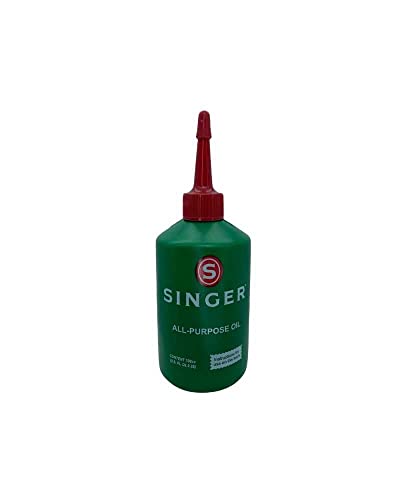
Singer oil is designed for the high-speed, precision movements of sewing machines, making it perfect for the spindle and the main shaft of your yarn winder. It is incredibly lightweight and designed to reduce friction without leaving a heavy, gummy residue behind.
This is the best choice if your winder feels "stiff" or requires too much manual effort to turn the handle. A single drop on the main axle can make a world of difference in how freely the winder spins.
Because it is so thin, it is not a substitute for gear grease. Use this strictly for the pivot points where metal or plastic rotates against a stationary shaft.
Lucas Oil White Lithium Grease for Durability

Lucas Oil’s version of white lithium grease is known for its superior high-temperature stability and resistance to being washed away. While your yarn winder isn’t exactly a car engine, this durability means you won’t have to re-apply it nearly as often.
For the knitter who keeps their tools in a garage or a non-climate-controlled craft room, this grease holds up remarkably well against humidity. It stays tacky and effective even when the temperature shifts throughout the seasons.
It is a thicker, more robust option for winders that have seen better days. If your gears have a bit of play or looseness, this grease helps bridge that gap to keep the rotation consistent.
Permatex Dielectric Grease for Plastic Gears

Dielectric grease is a unique, non-conductive compound that is exceptionally safe for plastic-on-plastic friction. Since most modern yarn winders are constructed primarily of nylon or ABS plastic, this is a highly effective, low-risk choice.
It is incredibly stable and does not break down or separate over time. This means your winder will remain smooth for months, even if you are winding heavy, thick-plied yarns that put extra stress on the tension assembly.
The biggest advantage here is its inert nature. It won’t react with the plastic, meaning your winder won’t become brittle or cracked after years of maintenance.
Why Your Yarn Winder Needs Regular Lubrication
Friction is the enemy of any mechanical tool, and yarn winders are no exception. As you wind, tiny fibers and dust particles inevitably work their way into the gear housing, acting like sandpaper that wears down the teeth.
Without lubrication, the plastic teeth of your gears will eventually grind down, causing the winder to skip or lock up entirely. This often happens right when you are in the middle of a project, which is the most inconvenient time for a tool to fail.
Regular maintenance ensures that the gears glide past one another rather than grinding. It also makes the physical act of winding much easier on your wrists, especially if you are winding multiple skeins at once.
How to Safely Apply Lubricant to Plastic Gears
First, always start with a clean surface. Use a soft brush or a blast of compressed air to clear out any old, dusty grease or stray fibers before adding new lubricant.
Apply your chosen grease with a toothpick or a small cotton swab. You only need a thin, even coating on the teeth of the gears; more is not better, and excess grease will only attract more dust.
Once applied, rotate the handle slowly several times to distribute the lubricant evenly across all gear surfaces. Wipe away any visible excess with a paper towel to ensure that no grease can accidentally transfer to your yarn.
Common Signs Your Yarn Winder Needs Maintenance
The most obvious sign is a high-pitched squeak or a rhythmic "clicking" sound that wasn’t there when the winder was new. If the handle feels resistant or you notice that the yarn cake is winding unevenly, it is time to inspect the internals.
You might also notice "gear dust"—fine, colored powder accumulating near the base of the winder. This is a clear indicator that your gear teeth are grinding against each other and shedding material.
Don’t wait until the winder seizes up. If you notice any change in the sound or the feel of the handle, a quick cleaning and re-greasing will usually resolve the issue before permanent damage occurs.
Essential Tips for Extending Yarn Winder Life
Always store your winder in a clean, dry environment, preferably in a box or a dedicated bag to prevent dust buildup. Dust is a lubricant’s worst enemy, as it turns smooth grease into a gritty paste.
Avoid forcing the handle if you feel resistance. If the winder gets stuck, stop immediately and investigate the gears; forcing it will only snap the plastic teeth or bend the internal shafts.
Finally, check the tension assembly periodically. Keeping the tension spring clean and lightly oiled ensures that your yarn cakes are wound with consistent pressure, which prevents the yarn from collapsing or tangling later.
Maintaining your yarn winder is a simple habit that pays off every time you sit down to cast on a new project. By choosing the right lubricant for your specific model and applying it with care, you ensure that your tools remain as reliable as your favorite set of needles. Keep your gears smooth, your tension consistent, and your yarn ready for the needles. Happy knitting!