6 Best Yarn Guides For Managing Multiple Strands
Master multi-strand knitting with these six essential yarn guides. Learn to prevent tangles, maintain tension, and streamline your complex fiber projects today.
Working with multiple strands of yarn can transform a simple project into a rich, textured masterpiece, but it often leads to a tangled mess of fibers. Whether you are holding two strands together for a marled effect or managing colorwork, the right tool can turn frustration into a seamless flow. This guide explores the best yarn guides and management tools designed to keep your tension consistent and your workspace organized. By choosing the right aid, you can focus on your stitches rather than untangling knots.
Clover Yarn Guide: Best for Beginners and Ease
The Clover Yarn Guide is a simple, wearable tool that clips onto your finger, acting as a bridge for your working yarns. For beginners who struggle with consistent tension while holding two strands, this small piece of plastic provides a steady path for the yarn to follow.
Because it separates the strands, it prevents them from twisting around each other before they reach your needles. This is particularly helpful when working with slippery fibers like silk or bamboo, which tend to slide off your fingers and create uneven loops.
The trade-off here is comfort; some knitters find the plastic tab digs into their skin during marathon knitting sessions. If you have larger or smaller fingers, the fit might feel slightly off, but for the price, it is an excellent entry point into multi-strand management.
Yarn Valet Yarn Dispenser: Best for Portability


If you are a knitter who loves to work on the go, the Yarn Valet is a game-changer. It is a compact, weighted dispenser that keeps your yarn balls from rolling across the floor or collecting pet hair under the sofa.
The tension arm is the real star here, as it provides just enough resistance to keep the yarn from unspooling too quickly. When you are holding two strands, using a pair of these dispensers allows you to feed both yarns at an identical rate, which is crucial for even fabric.
Keep in mind that this tool works best with standard-sized yarn cakes or balls. If you are working with large, hand-wound hanks that haven’t been properly wound into cakes, they might be too bulky for the dispenser’s frame.

Knit Picks Yarn Ball Winder: Best for Setup
A sturdy yarn winder isn’t technically a "guide," but it is the foundation of successful multi-strand knitting. By winding your yarns into center-pull cakes, you ensure that the yarn feeds smoothly from the center without the ball jumping around.
When you wind two strands together into a single cake, you eliminate the need for multiple guides entirely. This is the preferred method for many advanced knitters who want to avoid the "tug-of-war" that happens when two separate balls feed at different speeds.
However, be careful not to wind the yarn too tightly, as this can stretch the fibers and distort your gauge. Always let your yarn "rest" for a few hours after winding before you start your project to allow the fibers to relax.
Nancy’s Knit Knacks Yarn Bowl: Best Stability

A heavy-duty yarn bowl is an investment in your knitting ergonomics. Nancy’s Knit Knacks offers designs that are weighted enough to stay put, even when you are pulling yarn at a rapid pace for a complex pattern.
The spiral cut-out allows you to feed multiple strands through simultaneously, keeping them contained within the bowl. This prevents the "yarn bowl dance," where the bowl slides across the table every time you reach the end of a row.
While beautiful, ceramic or wooden bowls are fragile and not meant for travel. They are best reserved for your dedicated knitting nook where they can provide a permanent, reliable home for your working yarn.
Susan Bates Yarn Cutter Ring: Best Ergonomics
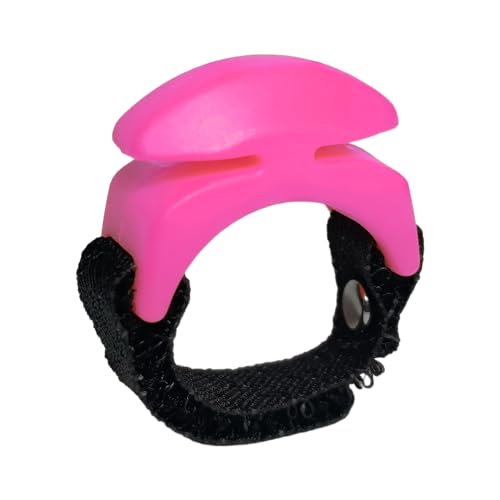
While not a guide in the traditional sense, the Susan Bates Yarn Cutter Ring is an essential companion for multi-strand work. When you are constantly switching colors or managing ends, having a blade right on your finger saves significant time.
The ring design is highly ergonomic, allowing you to snip yarn without reaching for scissors or putting your needles down. This keeps your hands in the "knitting zone," which is vital for maintaining steady tension across long rows.
Be aware that the blades are sharp and can be a safety hazard if you have young children or pets nearby. Always treat the ring as you would a pair of sharp embroidery scissors, keeping it in a safe spot when not in use.

Schacht Spindle Company Yarn Stand: Best Pro Tool

The Schacht Yarn Stand is the gold standard for knitters who work with multiple strands of lace-weight or fine yarn. It holds multiple bobbins or balls on vertical spindles, allowing each strand to unwind independently without any friction.
This is the ultimate solution for colorwork or intarsia projects where you are managing several colors at once. Because the spindles rotate freely, you get perfectly consistent tension regardless of how much yarn is left on the spool.
It is a larger, more expensive piece of equipment that takes up desk space, so it is best suited for a dedicated studio. If you are serious about intricate, multi-strand projects, the efficiency it provides is well worth the footprint.
Why Use Yarn Guides for Multiple Strand Projects
The primary goal of any yarn guide is to maintain consistent tension. When you hold two strands in your hands, your fingers often fatigue, leading to one strand being pulled tighter than the other.
This tension imbalance can cause your fabric to look "lumpy" or distorted after blocking. A guide forces the yarn to travel through a fixed path, ensuring that both strands contribute equally to the stitch structure.
Furthermore, guides prevent "ply separation," where one strand of your yarn gets caught on the needle tip while the other slides off. By keeping the strands aligned, you ensure a clean, professional finish every time.
How to Prevent Tangling When Holding Two Strands
The biggest enemy of multi-strand knitting is the "tangle at the source." Even with the best guides, if your yarn balls are sitting too close together, they will eventually twist into a chaotic knot.
- Separate your sources: Keep your yarn balls at least a foot apart or on opposite sides of your chair.
- Use center-pull cakes: This prevents the yarn from rolling and twisting.
- Check your strands: Every few rows, let your needles hang and allow the yarn to untwist naturally.
By managing the yarn before it reaches your hands, you remove 90% of the friction that causes tangling. It’s a simple habit that saves hours of frustration over the life of a project.
Matching Yarn Weights for Multi-Strand Knitting
When combining yarns, the most common mistake is ignoring the "wrap per inch" (WPI) of the individual strands. Just because two yarns are labeled "fingering weight" doesn’t mean they will behave the same way when held together.
Always swatch, swatch, and swatch again. If you are combining a fuzzy mohair with a smooth wool, the mohair will "grab" the wool, which can change the way the fabric drapes and behaves.
If you are unsure about the final weight, use a digital scale to weigh your swatch. This will give you a much more accurate idea of how much yarn you will need than relying on the yardage estimates on the ball bands.
Troubleshooting Tension Issues in Colorwork
In colorwork, you are often managing two strands of different colors, which can lead to "puckering" or "floats" that are too tight. The goal is to keep the yarn moving freely so the fabric remains stretchy.
If your tension is too tight, try moving your yarn guide closer to your needles to reduce the distance the yarn has to travel. Conversely, if your tension is too loose, you may need to add a bit of friction by looping the yarn around an extra finger.
Remember that tension is a skill, not a static state. It will change depending on your mood, your fatigue level, and even the type of needle material you are using. Don’t be afraid to adjust your setup mid-project to get the results you want.
Mastering multi-strand knitting is a journey that balances technique with the right supporting tools. Whether you choose a simple finger guide or a professional-grade yarn stand, the goal remains the same: steady tension and a tangle-free process. Experiment with these tools to see which fits your unique knitting style and project needs. With a little practice, you will find that managing multiple strands becomes second nature, opening up endless creative possibilities.