6 Best Sewing Palms For Pushing Needles Through Thick Material
Struggling with thick fabrics? Discover the 6 best sewing palms to protect your hands and provide the leverage needed for effortless needle pushing and control.
When you transition from delicate lace shawls to heavy-duty projects like leather-soled slippers or reinforced canvas project bags, your standard sewing thimble often falls short. Pushing a needle through thick, dense material requires more than just a metal cap; it requires leverage and hand protection that spans the palm. These six tools provide the necessary mechanical advantage to save your fingers from fatigue and injury. Investing in the right palm allows you to maintain consistent tension and control, even when the fabric fights back.


Clover Leather Thimble Pad: Best for Precision

If you are working on delicate applique or adding leather labels to your hand-knitted garments, a bulky palm can feel like wearing a oven mitt. The Clover Leather Thimble Pad is a minimalist solution that sits exactly where you need it—right at the base of your finger or on the palm.
Because it is small and flexible, it doesn’t restrict your hand’s natural range of motion. You can still hold your knitting needles or crochet hooks comfortably while wearing it. It’s perfect for those moments where you need a quick nudge to get a needle through a stubborn seam.
However, keep in mind that its small surface area means it lacks the leverage of a full-palm protector. It is designed for precision work, not for heavy-duty upholstery. If you are pushing large needles through multiple layers of thick felt, you will likely want more coverage.
Dritz Heavy Duty Sewing Palm: Best for Leather
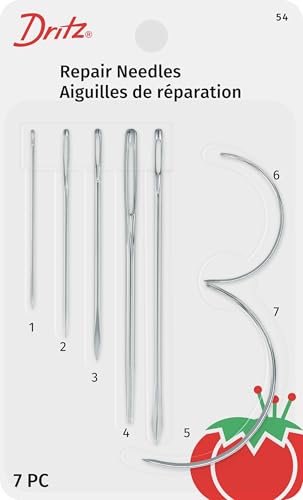
When you start working with thick, vegetable-tanned leather, you quickly realize that standard sewing tools are insufficient. The Dritz Heavy Duty Sewing Palm is built specifically for the resistance encountered when piercing heavy hides.
It features a reinforced metal plate that acts as a solid backstop for the eye end of your needle. This allows you to use the strength of your entire hand rather than just the tip of your thumb. It is an essential tool for anyone crafting durable gear like knitting needle cases or project totes.
The trade-off here is bulk. This tool is not subtle, and it can make your hand feel quite warm during long sessions. Use it only when the material demands that extra bit of force to avoid unnecessary hand strain.
Bohin Adjustable Leather Palm: Best for Comfort

Comfort is the primary driver of endurance in any fiber-related hobby. The Bohin Adjustable Leather Palm stands out because it conforms to the unique shape of your hand over time, much like a well-broken-in leather boot.
The adjustable strap ensures that the pad stays exactly where you need it, preventing the sliding that often leads to frustration. Because it is made of high-quality, soft leather, it doesn’t cause the skin irritation that synthetic plastics can trigger during long, sweaty crafting hours.
This is the ideal choice for makers who have smaller hands or struggle to find "one-size-fits-all" tools that actually fit. It provides a reliable, soft barrier that protects your palm without making you feel like you’re wearing a suit of armor.
Merchant & Mills Sewing Palm: Best for Durability
Merchant & Mills is renowned for tools that feel like they belong in a professional tailor’s workshop. Their sewing palm is a testament to high-quality construction, utilizing thick, vegetable-tanned leather that is built to withstand years of heavy use.
Unlike mass-produced synthetic options, this palm will age beautifully, developing a patina that reflects the projects you’ve completed. It is a tool designed for the serious maker who values longevity and craftsmanship in their equipment.
The rigidity of the leather provides excellent protection against the sharp ends of large needles. While it may feel stiff right out of the package, a little bit of wear will make it perfectly pliable. It is a classic investment piece for your sewing kit.
Singer Professional Sewing Palm: Best for Value

If you are a casual maker who only occasionally tackles heavy-duty repairs, you don’t necessarily need a high-end artisanal tool. The Singer Professional Sewing Palm offers a reliable, no-nonsense design that gets the job done without breaking the bank.
It provides a solid, flat surface for pushing needles, which is exactly what you need when you’re working on a quick repair of a canvas bag or a heavy wool coat. It’s a functional entry-level tool that bridges the gap between a standard thimble and a professional palm.
While the materials might not be as luxurious as those from boutique brands, the utility is undeniable. It is a great "starter" tool to help you decide if you actually enjoy working with heavy textiles before investing in more expensive gear.
Colonial Needle Leather Palm: Best for Grip

The Colonial Needle Leather Palm is designed with a specific texture that helps you maintain control when your hands get sweaty or when the material is particularly slick. Grip is often overlooked, but it is critical when you are trying to force a needle through dense, slippery fabric.
This palm excels at keeping the needle from skidding off the surface, which is a common cause of accidental finger pricks. By increasing the friction between your hand and the needle, it allows for more accurate placement of your stitches.
This is a fantastic option for those who find themselves working with synthetic fabrics or coated materials that tend to slide around. The secure grip provides a sense of confidence that allows you to focus on your stitch quality rather than fighting your tools.
How to Choose the Right Sewing Palm for Your Hand
Selecting the right palm is all about matching the tool to your specific project needs. If you are doing fine detail work, prioritize a smaller, more flexible pad. For heavy-duty construction, look for a full-palm design with a metal insert.
- Consider the material thickness: Heavier fabrics require more surface area for protection.
- Evaluate your hand size: Adjustable straps are vital if you have smaller or larger-than-average hands.
- Assess your sensitivity: If you have sensitive skin, prioritize natural leather over synthetic materials.
Don’t be afraid to try a few different styles. Just as you might prefer bamboo needles for wool and metal needles for cotton, you may find that different projects require different palm protection.
Leather vs. Synthetic: Choosing Your Material
Leather is the gold standard for sewing palms because it is breathable, durable, and molds to your hand over time. It offers a natural grip that synthetic materials often struggle to replicate, making it the superior choice for long-term comfort.
Synthetic materials, on the other hand, are often cheaper and easier to clean. They are a good choice for occasional use or for makers who prefer vegan-friendly options. However, they can sometimes feel "sweaty" and lack the tactile feedback of real leather.
Ultimately, leather will provide a more customized fit, while synthetic options offer a consistent, predictable experience. Choose the material that aligns with your values and your expected frequency of use.
Proper Fit: Ensuring Your Sewing Palm Stays Put
A sewing palm that slides around is more than just an annoyance; it’s a safety hazard. Your palm should feel secure against your hand, not tight enough to restrict blood flow, but snug enough to move with your skin.
If you find that your palm keeps shifting, look for designs with adjustable Velcro or buckle straps. You can also experiment with wearing a thin cotton glove underneath to provide extra friction and keep the palm in place.
Always test your palm by mimicking the motion of pushing a needle. If it shifts significantly, tighten the strap or consider a different size. A well-fitted palm should feel like an extension of your hand.
Tips for Pushing Needles Through Thick Textiles
When working with heavy materials, the secret is to use your palm, not your fingers. Position the eye of the needle against the center of the palm pad and use your shoulder and arm strength to drive the needle through the fabric.
- Use the right needle: Ensure you are using a heavy-duty or leather needle that is sharp enough to pierce the material.
- Lubricate the needle: A quick swipe of beeswax can make a huge difference in how easily a needle glides through thick layers.
- Take breaks: Pushing through thick material is physically demanding; don’t push your hand to the point of cramping.
Remember that the goal is to work smarter, not harder. If you find yourself struggling, stop and check your needle sharpness or your technique before you cause yourself unnecessary fatigue.
Finding the right sewing palm is a game-changer for any maker looking to expand their skill set beyond traditional knitting. By protecting your hands and providing the leverage needed for thick textiles, you open up a world of possibilities for custom bags, footwear, and home goods. Take the time to choose a tool that fits your hand and your project requirements, and your hands will thank you for years to come. Happy making, and may your stitches always be strong and secure.