7 Best Wire Armatures For Posable Figures To Use
Discover the top 7 wire armatures for posable figures. This guide evaluates durability and flexibility to help you choose the best support for your projects.
Creating posable figures is a natural extension for many knitters who enjoy crafting intricate, three-dimensional characters or yarn-based dolls. Just as choosing the right needle material—like slick nickel or grippy bamboo—changes how your yarn tension behaves, selecting the correct armature wire dictates how your figure holds its shape. A sturdy, flexible skeleton allows your finished knit to stand tall or hold a pose without sagging under the weight of the fiber. This guide explores the best wire options to ensure your handmade creations remain as dynamic and expressive as you intended.
1. Beadalon German Style Wire: Best for Precision


Beadalon’s German-style wire is a dream for those who treat their knitting like fine jewelry work. It has a consistent roundness and a temper that holds a bend beautifully without feeling brittle.
If you are crafting delicate, small-scale knitted creatures, this wire offers the control you need to shape tiny fingers or articulated limbs. It behaves much like a high-quality stainless steel needle—smooth, reliable, and incredibly precise.
Because it is relatively soft, it isn’t meant for supporting heavy, oversized sculptures. Think of this as your go-to for fine detail work where the wire needs to be hidden inside a tight-gauge stockinette stitch.
2. Darice Aluminum Craft Wire: Best for Beginners

When you are just starting to experiment with internal skeletons, you want a material that is forgiving and easy to manipulate. Darice aluminum wire is exceptionally pliable, allowing you to twist and adjust your frame without tiring your hands.
This is the "bamboo needle" of the wire world: it’s gentle, lightweight, and won’t fight you while you work. If you find your hands cramping from complex colorwork, you will appreciate how little effort it takes to bend this wire into place.
The trade-off is that it is soft and can eventually work-harden or snap if bent back and forth repeatedly. Use this for practice projects or figures that won’t be re-posed constantly.
3. Artistic Wire Tarnish Resistant: Best for Detail

Artistic Wire is a staple for crafters who demand a specific aesthetic finish, especially when the wire might peek through a loose lace pattern. The tarnish-resistant coating ensures that your internal frame won’t discolor your yarn over time.
Much like choosing a high-quality, non-staining wool for a light-colored project, this wire keeps your work pristine. It is slightly stiffer than aluminum, providing a bit more "memory" so your figure stays exactly where you put it.
It is ideal for intricate limbs where you need a wire that holds a crisp angle. Just be mindful of your tension when wrapping your yarn around it, as the coating can be nicked by sharp pliers.
4. Copper Armature Wire: Best for Heavy Sculptures

Copper wire is the heavy-duty choice for larger, more substantial knitted figures. Its density provides a natural weight that helps ground your project, preventing it from tipping over.
Think of this like using a heavy-ply wool for a winter sweater; it provides the structural integrity necessary for larger surface areas. It is remarkably strong, meaning you can build a more complex, multi-jointed skeleton that won’t collapse under the weight of stuffing.
Keep in mind that raw copper can oxidize, so it is best used inside fully enclosed, densely stuffed projects. If you are knitting with a light, airy yarn, ensure your fabric is thick enough to cover the dark copper tone.
5. Galvanized Steel Wire: Best for Structural Rigidity
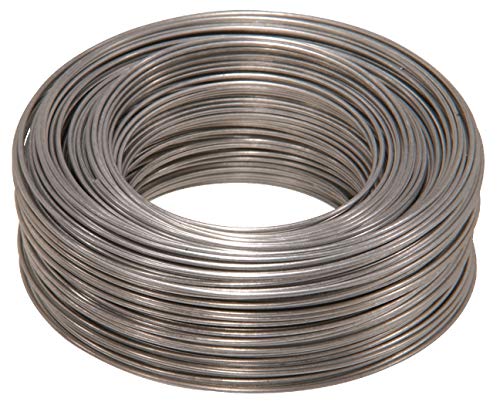
If you need a figure that will stand on its own for a long period, galvanized steel is your best bet. It is incredibly rigid and resists the "droop" that softer wires often develop after a few months of display.
This is the industrial-strength option for makers who prioritize longevity above all else. It is significantly harder to bend than aluminum, so you will need sturdy tools to get clean, sharp joints.
Use this for the main torso and legs of your figure to create a solid, unmoving core. Because it is so stiff, it is less suited for delicate extremities where you want a soft, natural curve.
6. Cloth Covered Floral Wire: Best for Soft Figures

Cloth-covered wire is a unique choice because it provides a bit of "grip" for your yarn or stuffing to hold onto. The fabric layer acts like a textured surface, preventing your fiber from sliding around the skeleton.
It is particularly useful if you are needle-felting or knitting directly onto the wire. The texture mimics the friction of a natural fiber, making it easier to secure your initial stitches without them slipping off the metal.
While it isn’t the strongest wire for large figures, it is perfect for small, soft, and whimsical creations. It’s a gentle option that feels more like a textile component than a harsh metal frame.
7. Solid Brass Craft Wire: Best for Premium Projects
Brass wire offers a distinct, high-end feel for crafters who want their figures to have a sense of permanence and quality. It is stiffer than copper but easier to work with than steel, striking a perfect balance for intermediate makers.
Using brass is akin to working with luxury fiber like silk or alpaca; it feels special and adds a layer of sophistication to the construction process. It holds its shape exceptionally well, making it a great choice for figures that require frequent posing.
While it is more expensive than aluminum or steel, the durability is worth it for heirloom projects. Treat your brass wire with care, as it can be prone to kinking if you use aggressive tools.
Understanding Gauge and Flexibility in Armatures
Gauge in wire works inversely to knitting needles: the higher the number, the thinner the wire. A 24-gauge wire is quite fine, while a 12-gauge wire is thick and heavy-duty.
- 12-16 Gauge: Use for main support, spines, and legs.
- 18-22 Gauge: Use for arms, fingers, and minor joints.
- 24+ Gauge: Use for wrapping, securing, or tiny, delicate details.
Always consider the weight of your finished knit. A heavy, chunky-knit doll needs a thicker gauge wire than a delicate, lace-weight fairy.
Essential Tools for Shaping Your Wire Armatures
You wouldn’t use a size 10 needle for lace weight yarn, and you shouldn’t use the wrong pliers for your wire. A pair of chain-nose pliers is essential for getting into tight corners, while round-nose pliers allow you to create smooth, curved loops for joints.
- Wire Cutters: Always use dedicated metal cutters; using your good fabric scissors will ruin the blades instantly.
- Needle-Nose Pliers: Perfect for gripping and bending wire in confined spaces.
- Nylon-Jaw Pliers: Use these if you want to straighten wire without leaving unsightly tool marks or scratches.
Having a dedicated "wire kit" separate from your knitting notions will keep your workspace organized. Clean tools ensure your wire remains free of oils and debris that could snag your yarn.
Safety Tips for Handling and Cutting Metal Wires
Safety is paramount when working with metal, especially when dealing with sharp, clipped ends. Always clip your wire away from your face and ensure the cut end is tucked securely inside the stuffing of your figure.
- Eye Protection: Wear safety glasses when clipping thick wire, as small shards can fly unexpectedly.
- File the Ends: Use a small metal file or sandpaper to smooth sharp, jagged edges before inserting them into your knit.
- Ergonomics: Just as you take breaks from knitting to stretch your wrists, avoid overexerting your hands when bending stiff wires.
Respect the material, and it will respect your project. Properly secured wire ends prevent the metal from poking through your beautiful stitches and ruining your hard work.
Selecting the right armature wire is just as vital as choosing the perfect yarn weight for your design. By matching the flexibility and strength of your wire to the needs of your knitted figure, you ensure your work stands the test of time. Take your time to experiment with different gauges and materials, and don’t be afraid to combine them for different parts of your sculpture. With a solid, well-crafted skeleton, your knitted creations will have the structure they need to truly come to life.