6 Best Nylon Cords For Stringing Bead Accents
Discover the top six nylon cords for durable beadwork. This guide compares strength and flexibility to help you choose the best string for your jewelry.
Adding beads to your knitwear transforms a simple stockinette fabric into a shimmering, heirloom-quality piece. Selecting the right nylon cord is just as critical as choosing the perfect yarn weight for your gauge. If your cord is too thick, it will distort your stitches; if it is too weak, your hard work will unravel at the first snag. This guide breaks down the best nylon options to ensure your beaded accents stay secure and beautiful for years to come.
Griffin Silk-Wrapped Nylon: Best For Fine Beads


Griffin cord is a classic choice for a reason, blending the soft, natural drape of silk with the structural integrity of a nylon core. It is the gold standard when you are working with delicate, vintage-style glass beads that have small holes.
Because it is silk-wrapped, it lacks the "memory" or stiffness found in purely synthetic lines. This means your beaded fringe or embellishment will hang naturally against your fabric rather than standing out stiffly.
However, keep in mind that silk is an organic fiber and can be susceptible to abrasion over time. If you are knitting a garment that will see heavy daily wear, use this for decorative accents rather than structural elements.
FireLine Braided Beading Thread: Best Strength

FireLine is essentially a gel-spun polyethylene, which makes it incredibly thin yet virtually impossible to break by hand. For the knitter who incorporates beads into high-tension areas like cuffs or collars, this is your best insurance policy.
The braided construction prevents the thread from stretching, which is a massive advantage when you want your beads to stay exactly where you placed them. Unlike twisted cords that might unspool, FireLine maintains its integrity under constant movement.
The tradeoff here is the stiffness; it can feel a bit "wire-like" compared to softer nylon threads. I recommend using a slightly larger tapestry needle to compensate for the thread’s tendency to hold its shape.
Soft Flex Beading Wire: Best For Heavy Accents

When you are working with heavier gemstones or metal charms, standard thread simply won’t cut it. Soft Flex is a multi-strand stainless steel wire encased in a nylon coating, offering the best of both worlds: extreme durability and flexibility.
It behaves much more like a heavy-duty yarn than a thread. It is perfect for "floating" beads in a knit shawl where you need the cord to hold the weight of the beads without sagging over time.
Because it is wire-based, you cannot knot it in the traditional sense. You will need to learn to use crimp beads to secure your ends, which adds a professional, jewelry-store finish to your knitting projects.
S-Lon Tex 210 Cord: Best For Macrame Projects

S-Lon is a bonded nylon cord that is widely loved for its consistency and vibrant color range. If you are doing larger-scale beaded knitting, such as incorporating beads into a bulky weight scarf, this cord provides a substantial base.
It is stiffer than silk, which makes it much easier to thread through beads without a needle. If you’re struggling with eye-strain while threading dozens of beads, the rigidity of S-Lon is a game-changer.
Be aware that because it is bonded, it can be slightly "slippery" when you first start working with it. Ensure your knots are tight and consider a tiny dab of clear nail polish or fabric glue to lock your ends in place.
Beadalon 49 Strand Wire: Best For Flexibility

If you have ever used a wire that kinks and ruins your project, you will appreciate the 49-strand construction of this cord. It is incredibly supple, allowing it to drape beautifully alongside your yarn without creating awkward bulk.
This is my go-to for intricate beaded lace where the cord needs to mirror the flexibility of your knitted stitches. It won’t fight against the tension of your yarn, preventing that dreaded "puckering" effect in your fabric.
The primary consideration is cost; it is more expensive than standard nylon thread. Reserve this for your most detailed, heirloom-quality lace projects where drape is the absolute priority.
PowerPro Braided Line: Best For Seed Bead Work

Originally designed for fishing, PowerPro has become a secret weapon for bead-knitters who work with tiny size 11/0 or 15/0 seed beads. It is incredibly thin, allowing you to pass through the same bead multiple times if your pattern requires it.
The braided nature of the line means it doesn’t stretch, which is essential when you are working with seed beads that need to sit flush against your knitting. It is also remarkably resistant to fraying, even when pulled through rougher fiber textures like wool.
One caveat: it is very slick. When securing your knots, you must use a surgeon’s knot or a double-overhand knot to ensure it doesn’t slide loose once the garment is blocked.
How To Select The Right Cord Diameter For Beads
The golden rule is that your cord must fit through the bead hole with room to spare for your needle. If the fit is too tight, you will end up fraying the cord as you pull it through, which compromises the strength of your entire project.
- Size 0.25mm – 0.30mm: Best for tiny seed beads and fine lace yarn.
- Size 0.35mm – 0.45mm: The "Goldilocks" zone for most worsted and DK weight projects.
- Size 0.50mm and up: Reserved for heavy charms or when using the cord as a structural element.
Always test your cord and bead pairing before you cast on. If you have to force the bead, it is a sign that the friction will eventually snap the cord.
Understanding Tensile Strength In Beading Cords
Tensile strength refers to the maximum load a cord can handle before it breaks. While your knitting is unlikely to be under extreme pressure, the friction of the yarn fibers rubbing against the cord during the blocking process can weaken it.
Braided lines generally offer higher tensile strength than twisted or single-filament nylon. If you are knitting a garment that will be machine-washed or heavily blocked, lean toward braided options.
Remember that knots are the weakest point of any cord. A high-strength cord loses a significant percentage of its integrity the moment it is knotted, so always choose a cord rated for a higher weight than you think you need.
Preventing Cord Fraying During Bead Stringing
Fraying usually happens at the tip of the cord where you are constantly threading beads. To prevent this, use a sharp, high-quality needle and avoid "sawing" the cord back and forth through the bead hole.
If you are using nylon thread, you can lightly singe the very end with a lighter to fuse the fibers. Be extremely careful not to burn the cord, as this will make it brittle and prone to snapping.
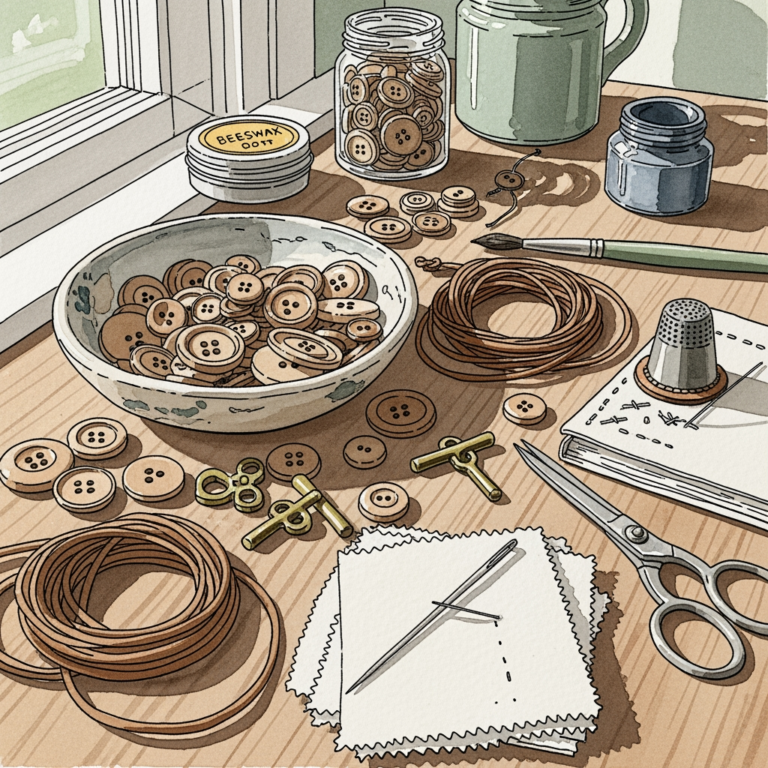
Another pro-tip is to apply a tiny amount of beeswax to the first few inches of your cord. This keeps the fibers bundled together and helps the cord glide through the beads with minimal resistance.
Essential Tips For Securing Your Beaded Knits
Securing beads into a knit fabric requires more than just a simple knot. Because knitted fabric stretches, your cord needs to have enough "give" to move with the yarn without pulling out.
- Weave in ends: Always weave your cord ends into the back of the work for at least an inch.
- Use a locking knot: A simple square knot is rarely enough; use a triple knot or a jeweler’s knot.
- Consider fabric glue: For permanent embellishments, a tiny dot of fray-check on the knot provides extra security.
If you are working with wire, always use crimp covers to hide the metal edges. This prevents the wire from catching on your skin or snagging the delicate fibers of your knitting.
Incorporating beads into your knitting is a rewarding way to elevate your craft, provided you choose the right materials for the job. By matching the cord’s strength and flexibility to your specific project needs, you ensure your work remains as durable as it is beautiful. Take the time to test your combinations, keep your knots secure, and enjoy the added dimension that beading brings to your needles. Happy knitting, and may your beaded accents shine brightly in every stitch.