6 Best Project Tags For Labeling Finished Gifts
Elevate your handmade presents with these 6 essential project tag styles. Learn how to label finished gifts for a professional, organized, and polished look.
You’ve spent dozens of hours selecting the perfect yarn, mastering that complex cable pattern, and blocking your piece to perfection. A finished gift deserves a signature that honors the labor behind every stitch. Adding a tag isn’t just about branding; it’s about providing the recipient with the information they need to keep your hard work looking beautiful for years. Choosing the right label is the final, essential step in your making process.
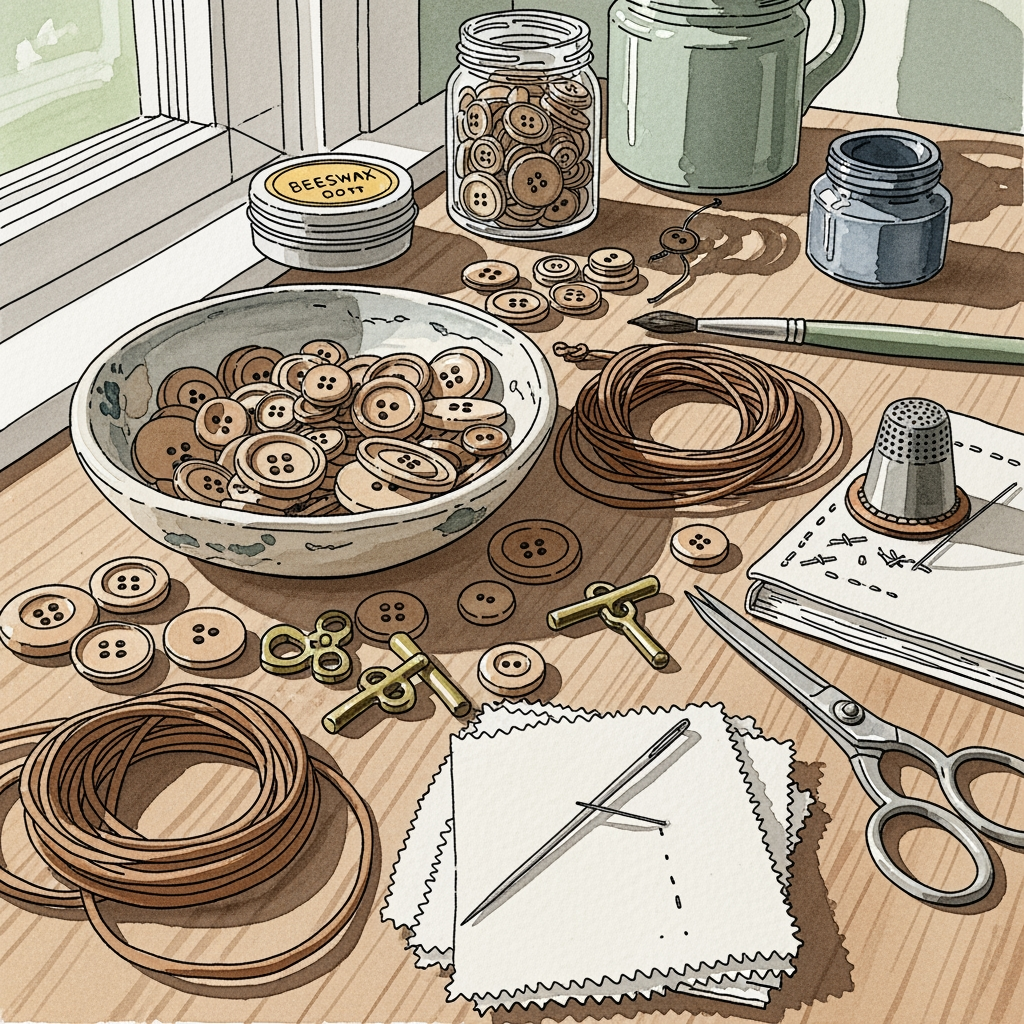
Custom Leather Tags: Best for Professional Finishes
Leather tags immediately elevate a project, giving it that high-end, boutique aesthetic. They are particularly effective on heavy-weight wools or structured items like cowls, hats, and bags.
Because leather is durable and stiff, it holds its shape well against the drape of a garment. It creates a striking contrast against rustic, woolen-spun yarns, grounding the softness of the knitting with a tactile, organic element.
The main trade-off is care; genuine leather can be sensitive to moisture and frequent washing. If you are gifting a baby item or a frequently laundered piece, consider vegan leather alternatives that mimic the look without the maintenance headache.


Cotton Twill Woven Labels: Best for Soft Garments

Cotton twill is the workhorse of the labeling world. These labels are soft, flexible, and virtually invisible against the skin, making them ideal for scarves, sweaters, and anything worn directly against the neck or wrists.
Unlike rigid plastic tags, woven cotton moves with the fabric. When you are knitting with delicate fibers like alpaca or cashmere, you don’t want a stiff tag pulling at the stitch definition.
These labels are also incredibly easy to sew into a seam allowance. Because they are thin, they won’t create a bulky lump that ruins the drape of your carefully calculated gauge.
Personalized Metal Tags: Best for Heirloom Projects

Metal tags provide a permanent, jewelry-like finish that says "heirloom" better than any other material. They are perfect for special occasion gifts, such as christening blankets or wedding shawls.
These tags usually attach via small jump rings or by being sewn through pre-punched holes. They add a bit of weight, which can actually help a light, airy lace shawl hang more gracefully.
Be mindful of the metal type when gifting to people with sensitive skin. Always opt for hypoallergenic materials like stainless steel or brass to ensure your gift remains comfortable and irritation-free.
Iron-On Fabric Labels: Best for Quick Application
If you find the prospect of sewing labels daunting, iron-on fabric labels are a life-saver. They provide a clean, flat finish that works exceptionally well on tight-gauge, machine-knit-look projects.
The trick here is the heat application. You must ensure your yarn can handle the temperature of an iron; synthetic fibers like acrylic can melt or lose their crimp if you aren’t careful.
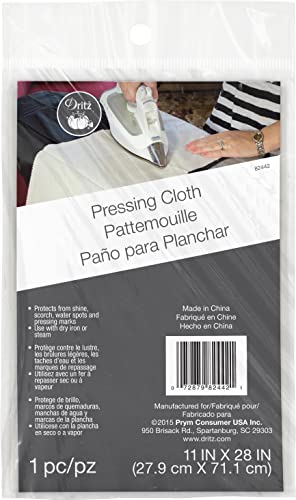
Always test your iron setting on a swatch first. If the yarn is heat-sensitive, stick to a low setting and use a pressing cloth to protect the integrity of the fibers.
Fold-Over Satin Tags: Best for Delicate Knitwear

Satin labels are the gold standard for luxury items. Their smooth, silky surface feels wonderful against the skin, and they fold neatly over the edge of a hem or neckband.
These are particularly well-suited for fine-gauge knits where you want a discreet, elegant touch. Because they are lightweight, they won’t distort the tension of your stitches or cause the fabric to sag.
However, satin can fray if not cut properly. Look for labels with heat-sealed edges to ensure that your tag stays pristine long after the garment has left your needles.

Engraved Wooden Tags: Best for Rustic Home Decor
Wooden tags bring an earthy, artisanal vibe to chunky knit blankets or home decor pillows. They look fantastic against natural-colored wools and add a layer of texture that feels very intentional.
Because wood is rigid, avoid placing these on areas of a garment that need to stretch, like cuffs or waistbands. They are best reserved for the corner of a throw or the brim of a slouchy beanie.
Keep in mind that wood can be porous. If you are gifting something that will be washed frequently, ensure the wood is sealed or treated to prevent it from absorbing moisture and warping over time.
Why Professional Tags Elevate Your Handknits
A tag is the bridge between the maker and the recipient. It signals that the item was crafted with intention, moving it from a "homemade" project to a professional-quality piece of art.
Beyond aesthetics, tags serve a functional purpose. They remind the recipient that this isn’t a mass-produced item, encouraging them to care for it with the same love you put into knitting it.
When a recipient sees a tag, they are more likely to treat the item as a treasure. It’s a small detail, but it leaves a lasting impression of quality and care.
How to Attach Tags Without Damaging Your Stitches
The biggest mistake knitters make is sewing a tag directly into the center of a stitch. This creates tension that can lead to holes or "laddering" as the garment is worn and pulled.
Always anchor your tag into the seam allowance or the sturdier edge of the fabric. If you must sew it onto a flat surface, use a sewing needle that matches the weight of your yarn and catch only the "legs" of the stitches rather than piercing the center.
Use a thread that matches the fiber content of your project. If you are working with a superwash wool, use a thread that has similar elasticity so the tag doesn’t pull when the fabric stretches.
Choosing the Right Tag Material for Your Fiber
Your choice of tag should complement the fiber’s natural characteristics. A heavy leather tag on a delicate silk-mohair blend will look—and feel—entirely out of place.
- For Superwash Wool: Durable, machine-washable labels like cotton or polyester.
- For Cashmere/Alpaca: Soft, non-abrasive satin or woven labels.
- For Acrylic/Synthetics: Iron-on labels are fine, but ensure the heat is low.
- For Rustic/Woolen Spun: Leather or wood tags that match the natural aesthetic.
Always consider the "drape" of the fiber. If the fabric is meant to be fluid, the tag must be equally flexible to maintain the intended movement of the garment.
Essential Care Instructions to Include on Labels
A label is only as good as the information it provides. If you’ve spent forty hours on a sweater, you don’t want it ruined in a hot wash cycle by a recipient who doesn’t know better.
At a minimum, include:
- Hand wash vs. machine wash
- Water temperature
- Drying instructions (lay flat vs. tumble dry)
- Fiber content (for allergy awareness)
If the tag is too small to fit this information, consider attaching a small, printed card to the gift. Your recipient will thank you when their garment still looks brand new a year later.
The final touch of a tag is the signature on your masterpiece, turning a pile of yarn into a cherished gift. Whether you choose the rustic charm of wood or the soft elegance of satin, the best tag is one that respects the integrity of your stitches. Take the time to match your label to your yarn, and you’ll ensure your hard work is enjoyed for years to come. Happy knitting, and may your labels be as beautiful as your tension.