7 Best Microfiber Yarns for Durable Garments Tested
Discover the 7 best microfiber yarns for long-lasting garments. Our expert testing reveals top picks for durability, softness, and easy-care performance.
Finding the right yarn is often the difference between a garment you wear for years and one that ends up at the bottom of your stash. Synthetic microfibers have evolved significantly, offering a luxurious hand-feel that rivals natural fibers without the maintenance headaches. In this guide, we explore seven standout options that balance durability, texture, and ease of use for your next project. Choosing the right material ensures your hard work stands the test of time and repeated wash cycles.
Lion Brand Feels Like Butta: Best Overall Pick


This yarn truly lives up to its name, offering an incredibly soft, buttery texture that makes it a joy to handle during long knitting sessions. It mimics the feel of high-end cotton or wool blends but remains entirely synthetic, making it a fantastic choice for those with wool sensitivities.
Because it is a worsted-weight yarn with a slight sheen, it creates a polished, professional look even in basic stockinette stitches. It is particularly well-suited for garments that sit close to the skin, like sweaters or scarves, where comfort is the absolute priority.
The trade-off here is the slight lack of stitch definition compared to more structured, plied yarns. If you are planning a project with intricate cables, you might find that they look a bit softer or more rounded than you’d prefer.
Bottom line: If you want a garment that feels like a cloud without the risk of felting, this is your go-to.
Premier Yarns Deborah Norville Everyday Soft
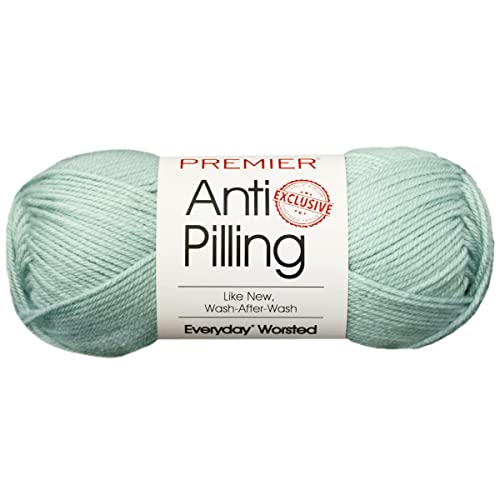
This yarn is a workhorse that consistently performs well, regardless of the pattern complexity. It features a unique "anti-pilling" treatment, which is a major advantage for garments that get heavy daily wear.
I often recommend this for beginners who are still learning to manage their tension. Because the yarn is smooth and consistent, it doesn’t snag or split easily on your needles, allowing you to focus on your stitch technique.
While it is marketed as "soft," it has a bit more structure than the Feels Like Butta, which makes it excellent for garments that need to hold their shape, such as cardigans or structured pullovers. It strikes a balance between softness and durability that is hard to find at this price point.
Bottom line: A reliable, low-maintenance choice for everyday staples that need to survive the washing machine.
Patons Astra: The Best Value Microfiber Yarn

Patons Astra is a classic choice that offers incredible yardage for the price. It is a lighter weight yarn that works beautifully for baby items or lightweight summer tops.
The fiber has a slightly tighter twist than many other microfibers, which gives it a crisp stitch definition. If you are working on lace patterns or simple colorwork, this yarn will showcase your stitches clearly.
Be aware that because it is a thinner yarn, it can feel a bit "squeaky" on wooden or bamboo needles. I suggest using nickel-plated or stainless steel needles to allow the yarn to glide smoothly as you work.
Bottom line: An economical option that doesn’t sacrifice quality, perfect for larger projects like blankets or oversized sweaters.
Bernat Baby Blanket: Best for Chunky Projects

This is a chenille-style yarn that works up incredibly fast, making it ideal for those who want instant gratification. It is exceptionally soft and plush, providing warmth without the weight of traditional wool.
Working with super-bulky yarns requires a shift in mindset; you need to focus on your stitch count carefully, as it can be difficult to "read" your knitting once you’ve put the needles down. I recommend using larger plastic or resin needles to prevent the yarn from catching.
One caveat: because of its fuzzy texture, it can be tricky to rip back if you make a mistake. Be sure to double-check your gauge early, as this yarn doesn’t forgive dropped stitches easily.
Bottom line: The ultimate choice for cozy, heavy-duty blankets or quick-knit accessories.
Caron Simply Soft: Best for Color Variety

If your project requires a specific, vibrant shade, Caron Simply Soft is likely to have it. The color palette is vast, and the slight sheen of the fiber makes these colors pop with a beautiful, subtle luster.
The drape of this yarn is exceptional, making it a favorite for garments that require movement, such as swingy tops or shawls. It flows beautifully over the body and doesn’t feel stiff or heavy.
However, the yarn is quite slippery. If you are a loose knitter, you might find your stitches sliding off the needles if you aren’t careful. Using needles with a bit of "grip" or a duller tip can help keep your tension consistent.
Bottom line: Choose this when color selection and a graceful, fluid drape are your top priorities.
King Cole Pricewise: Best for Draping Knits

King Cole Pricewise is a fantastic, versatile acrylic that feels surprisingly sophisticated. It has a nice, even weight that makes it very easy to work with for long periods.
It is particularly excellent for garments that need a bit of structure but still need to drape well. It holds its shape through blocking, which is a huge plus for those of us who spend hours perfecting a garment’s fit.
The yarn is slightly thinner than a standard worsted, so I always recommend knitting a gauge swatch first. If your gauge is off, the finished garment might end up larger than you anticipated due to the way the fiber relaxes.
Bottom line: A dependable, classic choice for those who value consistency and a professional finish.
Stylecraft Special DK: Best for Durability
Stylecraft Special DK is widely considered the gold standard for acrylic yarns in the UK and beyond. It is remarkably durable, resisting pilling and wear even after years of use and repeated laundering.
The fiber is matte, which gives your finished objects a more natural, wool-like appearance. It is an excellent choice for heirloom-quality projects that you intend to pass down or use for years to come.
While it isn’t as "silky" as some other microfibers, its strength is unmatched. It is my preferred choice for items that will get heavy friction, such as mittens or cuffs.
Bottom line: If longevity is your primary goal, this is the most reliable fiber you can choose.
Why Choose Microfiber for Your Next Project
Microfiber yarns are engineered to offer the best of both worlds: the softness of natural fibers and the resilience of synthetics. They are non-allergenic, moth-proof, and generally machine-washable, which removes much of the anxiety associated with handmade garments.
For busy households, the ability to throw a sweater into the washer and dryer is a game-changer. You don’t have to worry about hand-washing, laying flat to dry, or the dreaded accidental felting that can ruin a wool garment in seconds.
Ultimately, microfiber allows you to focus on the joy of knitting rather than the stress of garment maintenance. It is a practical, modern solution for the contemporary maker.
How to Care for Synthetic Fiber Garments
Synthetic fibers are generally robust, but they do have specific needs to keep them looking their best. Always wash your garments in a mesh laundry bag to prevent them from snagging on other items in the machine.
Use a gentle cycle with cool water and a mild detergent. Avoid fabric softeners, as they can leave a coating on the fiber that actually attracts more dirt over time and can make the yarn feel waxy.
When drying, a low-heat setting is best. High heat can actually "melt" or permanently alter the texture of synthetic fibers, leading to a stiff or shiny appearance that cannot be corrected.
Tips for Preventing Pilling in Microfiber
Pilling occurs when loose fibers rub together to form small balls on the surface of your knitting. To minimize this, choose yarns that are tightly plied or specifically treated to be "anti-pilling."
If you notice pilling, don’t pull the pills off by hand, as this can pull more fiber out of the garment. Instead, use a fabric shaver or a sweater stone to gently remove them, which will keep your garment looking fresh.
Finally, ensure your gauge is appropriate for the yarn weight. Knitting too loosely creates more "room" for the fibers to move and rub against each other, which significantly increases the likelihood of pilling over time.
Selecting the right microfiber yarn is about balancing your personal aesthetic with the practical demands of your lifestyle. Whether you prioritize the buttery softness of Lion Brand or the legendary durability of Stylecraft, there is a synthetic option that will elevate your next project. Remember to always swatch, check your gauge, and treat your finished pieces with care to ensure they remain favorites in your wardrobe. Happy knitting, and enjoy the process of creating something that is built to last.