7 Best Wool Detergents For Hand Knits Worth Using
Keep your hand knits soft and pristine with our top seven wool detergents. Learn which gentle formulas effectively clean and protect delicate fibers today.
Spending weeks on a complex lace shawl or a pair of heirloom socks means your finished project deserves more than a standard laundry cycle. Using the wrong detergent can strip essential natural oils from wool, leaving your fibers brittle and prone to breaking. Selecting a specialized wash is the most important step in protecting the structural integrity of your hand-knitted items. These seven detergents are the gold standard for maintaining the drape, softness, and longevity of your hand-knitted wardrobe.
Eucalan Delicate Wash: Best No-Rinse Formula
Eucalan is a staple in my knitting bag because it simplifies the blocking process significantly. Since it is a no-rinse formula, you simply submerge your garment, let it soak, and then gently squeeze out the excess water.
This is a game-changer when you are dealing with large projects like oversized sweaters or heavy blankets. You don’t have to worry about agitating the fibers under a running tap, which is often where accidental felting occurs.
The inclusion of lanolin in the formula acts as a natural conditioner for the wool. It keeps the fibers supple and helps them retain their shape long after the blocking pins are removed.
Soak Wash: Best Scent Options for Your Knits
Soak Wash has become the go-to for knitters who want their finished projects to feel like a spa experience. It is gentle, effective, and comes in a variety of sophisticated, light scents that don’t overpower the natural smell of the wool.
The formula is designed to be very low-sudsing, which means it rinses out incredibly fast. If you are blocking a delicate lace project, you want to minimize the amount of time the garment spends submerged in water to prevent the fibers from becoming oversaturated and heavy.
I recommend this for everyday accessories like cowls or hats that you wear close to your skin. The scents are subtle enough that they won’t clash with your perfume, yet they provide a clean, fresh finish to your handiwork.
Kookaburra Wool Wash: Best for Sensitive Skin


If you have ever experienced skin irritation from a newly blocked sweater, Kookaburra is the solution. It is formulated without harsh chemicals or artificial perfumes, making it ideal for baby knits or items intended for those with chemical sensitivities.
The wash uses tea tree oil, which provides a natural, mild antimicrobial benefit. This is particularly useful if you are refreshing a garment that has been in storage for a season and needs a gentle, thorough clean.
It is highly concentrated, so a little goes a long way. You only need a tiny amount to get the job done, which makes it a very cost-effective choice for someone who is constantly finishing new projects.
The Laundress Wool & Cashmere: Best for Luxury
When you invest in high-end fibers like cashmere, mohair, or angora, you need a detergent that respects the delicacy of the protein structure. The Laundress offers a specialized formula that cleans effectively while maintaining the loft and fluffiness of luxury yarns.
This detergent is excellent at removing body oils and dust without stripping the natural sheen of the fiber. It is my top choice for those heirloom-quality sweaters that you plan on keeping in your rotation for decades.
Keep in mind that this is a more premium product. I suggest reserving it for your most precious, expensive fibers rather than using it for every single swatch or practice project you complete.
Orvus Paste: Best for Deep Cleaning Vintage
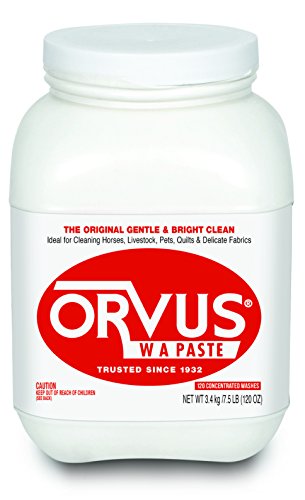
Orvus Paste is a bit of a secret weapon in the fiber arts community, particularly for those who rescue vintage yarn or antique textiles. It is a neutral, concentrated soap that excels at lifting stubborn dirt and grime from fibers that have been neglected.
Because it is so potent, you must be careful with the dosage. A tiny dab mixed thoroughly into a large basin of water is usually enough to clean a significant amount of wool without leaving any residue behind.
It is not a conditioner, so it doesn’t add back any lanolin or softness. If you are cleaning a vintage find, follow up with a light conditioning soak to ensure the fibers don’t feel "squeaky" or dry after they dry.
Unicorn Fiber Wash: Best for Raw Wool Prep
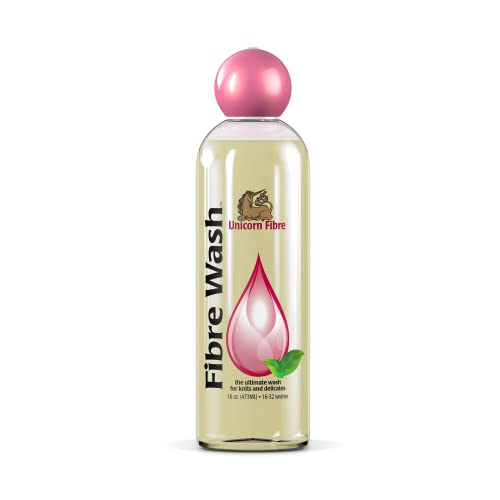
If you are a spinner or a knitter who works with raw fleece, Unicorn Fiber Wash is essential. It is specifically engineered to handle the heavy-duty task of removing lanolin, dirt, and vegetable matter from raw wool before you even start your project.
The cleaning power here is much stronger than a standard delicate wash. It breaks down the natural grease of the sheep’s coat, ensuring that your fiber is clean and ready for spinning or dyeing.
I wouldn’t recommend this for a finished, store-bought wool sweater, as it might be too aggressive. However, if you are processing your own wool from the farm, this is the industry standard for getting the best results.
Twig & Horn Wool Soap: Best for Natural Care
Twig & Horn focuses on a minimalist, natural approach to fiber care. Their wool soap is crafted with simple, high-quality ingredients that prioritize the health of the fiber and the environment.
This soap is particularly great for those who prefer to keep their knitting practice as "earth-friendly" as possible. It is biodegradable and free from the synthetic dyes or fragrances found in many commercial detergents.
It leaves the wool feeling clean and soft without any synthetic coating. If you appreciate the tactile quality of raw, untreated wool, this soap will help maintain that authentic, rustic feel.
Why You Should Never Use Regular Laundry Soap
Regular laundry detergents are formulated with enzymes designed to break down protein stains like grass, blood, or food. Because wool is a protein fiber, these detergents will literally begin to digest your knitting.
Over time, this weakens the wool fibers, leading to thinning, pilling, and eventually, holes in your favorite garments. Furthermore, regular soaps often have high pH levels that can cause wool to become brittle and lose its natural elasticity.
Always check the label to ensure your detergent is specifically labeled for wool or delicate fibers. If it doesn’t say "wool wash" or "delicate care," it is best to keep it away from your hand-knitted items entirely.
How to Properly Soak Your Hand Knitted Items
Start by filling your sink or basin with lukewarm water; never use hot water, as it can shock the fibers and lead to unintended felting. Add your detergent and stir it gently with your hand until it is fully incorporated before placing your garment into the water.
Submerge the item completely and gently push it down so it is saturated, but avoid scrubbing or wringing the fabric. Let it soak for 15 to 20 minutes, which allows the detergent to lift away oils and debris without mechanical agitation.
When you are ready to remove the item, lift it out as a single mass, supporting its weight from underneath. Never pull or stretch the wet wool, as it is at its most vulnerable state when fully saturated and heavy.
Essential Tips for Drying Delicate Wool Knits
After soaking, lay your garment flat on a clean, dry towel and roll it up like a burrito to press out the excess moisture. Avoid twisting the towel, as this will distort the shape of your knitting and potentially stretch out your ribbing or cuffs.
Once you have removed as much water as possible, transfer the garment to a blocking mat or a flat surface covered with a dry towel. Reshape the item according to your original measurements, ensuring that lace patterns are opened up and cables are laid flat.
Always allow your knits to air dry in a well-ventilated area away from direct sunlight or heat sources. Forced heat can cause the fibers to shrink or become stiff, so patience is the key to a perfectly blocked finish.
Caring for your hand-knits is the final, vital step in the creative process that ensures your hard work stands the test of time. By choosing the right detergent and handling your pieces with care during the blocking process, you protect the fibers that you spent so many hours transforming. Remember that every yarn behaves differently, so take the time to understand the needs of your specific project before you reach for the wash basin. With these tools and techniques, your hand-knitted wardrobe will remain as beautiful as the day you cast off your final stitch.