7 Best Metal Interchangeable Tips For Fast Knitting
Discover the 7 best metal interchangeable needles for faster knitting. Our guide compares smooth surfaces and join quality to boost your efficiency today.
Knitting speed is rarely about moving your hands faster; it is about choosing tools that remove friction from every stitch. Metal interchangeable tips are the secret weapon for knitters looking to improve their efficiency and minimize physical strain. By selecting the right material and point profile, you can transform a slow, laborious project into a rhythmic, meditative experience. This guide breaks down the best metal options to help you find your perfect match.
ChiaoGoo Red Lace: The Gold Standard for Speed
The ChiaoGoo Red Lace series has earned its reputation through a surgical-grade stainless steel finish that allows yarn to glide effortlessly. These tips are exceptionally smooth, making them ideal for knitters who find themselves "fighting" their needles to move stitches along the shaft.
The taper is long and refined, which is perfect for complex maneuvers like k2tog (knit two together) or intricate cable crossings. Because the steel is so slick, it works beautifully with high-twist wools, but you might find it requires a bit more tension control if you are working with slippery materials like silk or bamboo blends.
If you are a speed knitter, the weight of these needles is a major advantage. They are substantial enough to feel balanced in your hands without causing the fatigue that comes with heavier, cheaper metals.
Addi Turbo Rockets: Precision for Fast Knitters


Addi Turbo Rockets offer a unique hybrid experience by combining the classic Turbo’s slick nickel-plated finish with a significantly sharper point. This design addresses the common complaint that traditional rounder tips make it difficult to pick up stitches quickly.
These needles excel when you are working with plied yarns that tend to split. The sharper point guides your needle into the center of the stitch consistently, preventing those frustrating moments where you snag a single ply of your yarn.
Be aware that the nickel plating can be polarizing for those with metal sensitivities. However, for those who don’t have allergies, the surface provides a consistent, high-velocity glide that is hard to beat for long-distance projects like blankets or sweaters.
HiyaHiya Sharp Steel: Best for Intricate Lace
HiyaHiya Sharp Steel tips are engineered for those who prioritize point precision above all else. They are incredibly needle-like, which makes them the go-to choice for lace knitting where you need to manipulate multiple loops at once.
The steel is lightweight and hollow, which reduces hand strain during marathon knitting sessions. This makes them an excellent choice for knitters who struggle with wrist tension or who find themselves knitting tight gauge projects for hours on end.
While they are excellent for precision, the very sharp point can occasionally be "pokey" on your fingertips. If you are a "pusher" who uses your index finger to nudge the needle tip, you may want to keep a bandage or a leather thimble nearby.
Knitter’s Pride Nova Platina: Smooth Efficiency
Nova Platina needles feature a chrome-plated finish that feels slightly more "grippy" than stainless steel. This is a vital distinction for knitters who find that their yarn slides off the needles too easily, leading to dropped stitches.
The tips are tapered to a point that is sharp enough for most general knitting but not so aggressive that it pierces your skin. They offer a very balanced, middle-of-the-road experience that works well for almost any fiber type, from rustic wool to soft alpaca.
Because of the chrome finish, they are highly durable and resistant to tarnishing over time. They represent a fantastic value for the knitter who wants a professional-grade tool that will last through years of heavy use.
Lykke Grove Metal Tips: Lightweight Performance

Lykke is best known for their wooden needles, but their metal interchangeable line brings that same ergonomic focus to a slicker surface. These tips are crafted from high-quality aluminum, making them significantly lighter than their steel counterparts.
If you have arthritis or find that heavier needles cause your hands to cramp, the weight reduction here is a game-changer. The surface is smooth and matte, which provides just enough friction to keep your yarn from flying off the end while still allowing for fast, fluid movements.
The aesthetic is clean and modern, but the real benefit is the reduced mass. You will notice the difference immediately when switching from heavy steel, especially when working on heavy-weight projects like chunky scarves.
Seeknit Koshitsu Metal Tips: Ergonomic Speed

Seeknit is a masterclass in Japanese engineering, focusing on the intersection of comfort and speed. While they are famous for bamboo, their metal-coated options provide a perfect compromise for those who love the feel of natural tools but need the glide of metal.
These needles are designed with an ergonomic taper that feels natural in the hand, reducing the "death grip" that often slows down beginner knitters. They are specifically built to be quiet and smooth, making them ideal for knitting in public spaces or during long travels.
The join between the tip and the cable is exceptionally seamless, which is a major factor in maintaining your knitting velocity. There is nothing worse than a yarn-snagging join to break your flow, and Seeknit has largely eliminated that issue.
Kollage Square Needles: Reducing Hand Fatigue

Kollage takes a radical approach to speed by using a square profile instead of a round one. The logic is simple: your fingers have flat surfaces, and a square needle provides a more ergonomic grip that requires less pressure to hold.
Many knitters report that their gauge becomes much more even when using square needles, as the yarn sits more consistently against the flat sides. This is a massive benefit for projects where gauge consistency is critical, such as colorwork or fitted garments.
While they take a few rows to get used to, the reduction in hand fatigue is palpable. If you find yourself needing to take frequent breaks due to cramping, switching to a square profile can effectively increase your total daily knitting output.
Why Metal Tips Increase Your Knitting Velocity
Metal tips increase your speed primarily by reducing the coefficient of friction between the yarn and the needle. When you use wood or bamboo, the surface is inherently porous and textured, which creates drag; metal, by contrast, provides a polished surface that allows the stitch to travel instantly.
- Glide: Metal needles allow the yarn to slide off the tip with minimal effort.
- Point: Sharper tips allow for faster stitch entry, especially in complex patterns.
- Weight: Lighter metals reduce the physical effort required to hold the needles, allowing for longer sessions.
However, speed is not always the goal. If you are working with a very slick yarn like silk or a superwash wool that is prone to splitting, a "too fast" needle can actually lead to dropped stitches and errors.
Selecting the Best Join for Snag-Free Knitting
The "join"—where the needle tip meets the cable—is the most common point of failure for knitting speed. A poorly manufactured join creates a "speed bump" that catches the yarn, forcing you to manually push every single stitch over the connection.
When shopping for interchangeable sets, look for a join that is flush and smooth to the touch. You should be able to run your fingernail over the connection without it catching on any metal edges or gaps.
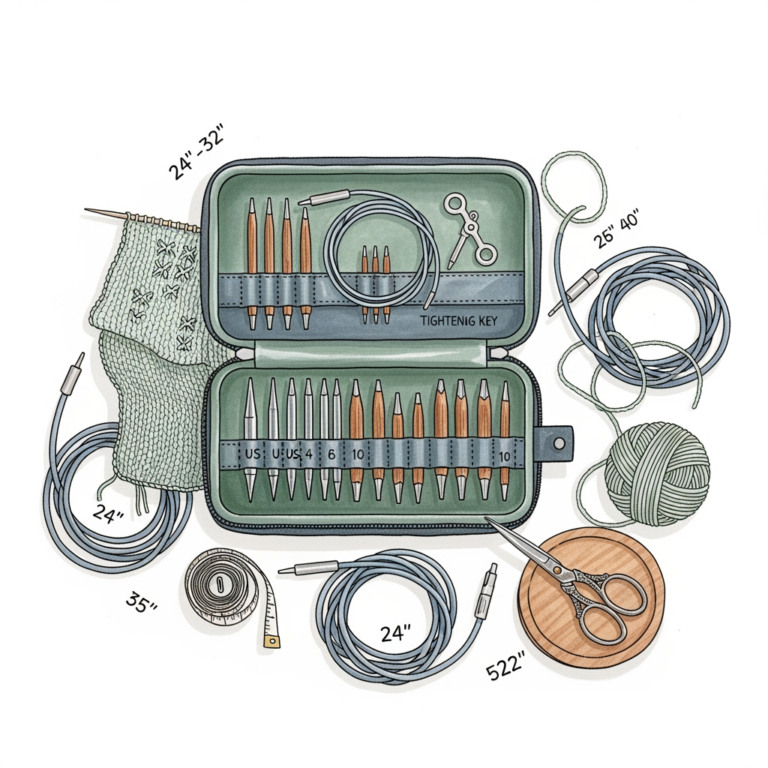
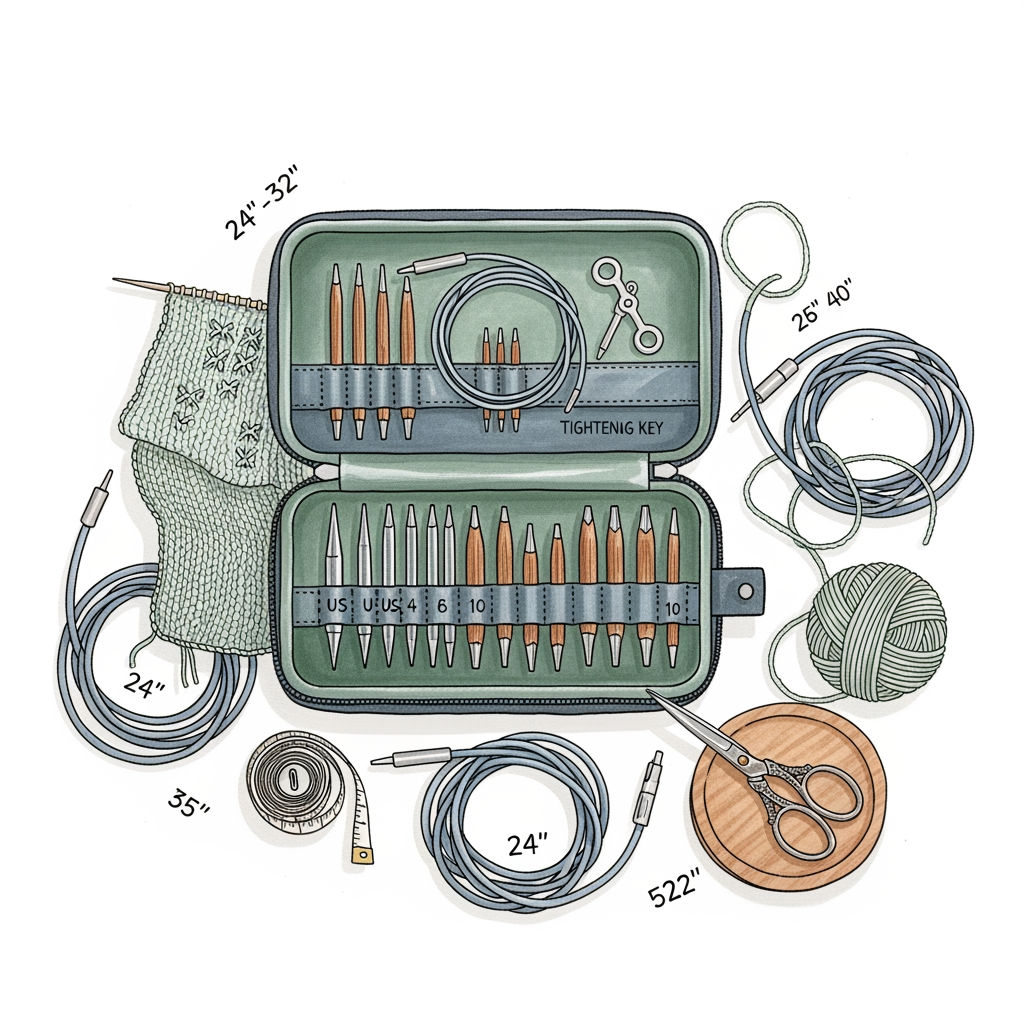
If you find your yarn is still snagging, ensure you are using the tightening key provided with your set. A loose connection creates a tiny gap that acts like a hook for your yarn, which will immediately kill your rhythm and potentially damage your fiber.
Essential Maintenance for Metal Needle Tips
Even the best metal needles can lose their "fast" finish over time due to skin oils, residue from yarn dyes, and environmental factors. To keep your needles performing at their peak, give them a quick wipe with a soft, damp cloth after every few projects.
Avoid using harsh chemicals or abrasive sponges, as these can scratch the surface of the needle. A scratch, no matter how small, will create a drag point that disrupts the flow of your yarn.
Finally, check the tips periodically for any signs of oxidation or wear, especially if you live in a humid climate. Keeping your needles in a protective case when not in use will prevent them from dinging against each other and maintain that perfect, high-velocity surface.
Choosing the right metal interchangeable tip is a personal journey that balances your unique tension, the fiber you choose, and your physical comfort. By investing in tools that prioritize smooth joins and refined tapers, you can significantly reduce the physical friction of your craft. Remember that the "best" needle is the one that disappears into your hands, allowing you to focus entirely on the rhythm of the work. Happy knitting, and may your stitches always slide exactly where you want them to go.