6 Best Ergonomic Silicone Grips For Hand Fatigue
Combat hand fatigue with our top 6 silicone grips. Discover how these ergonomic tools improve comfort, boost productivity, and reduce strain during daily tasks.
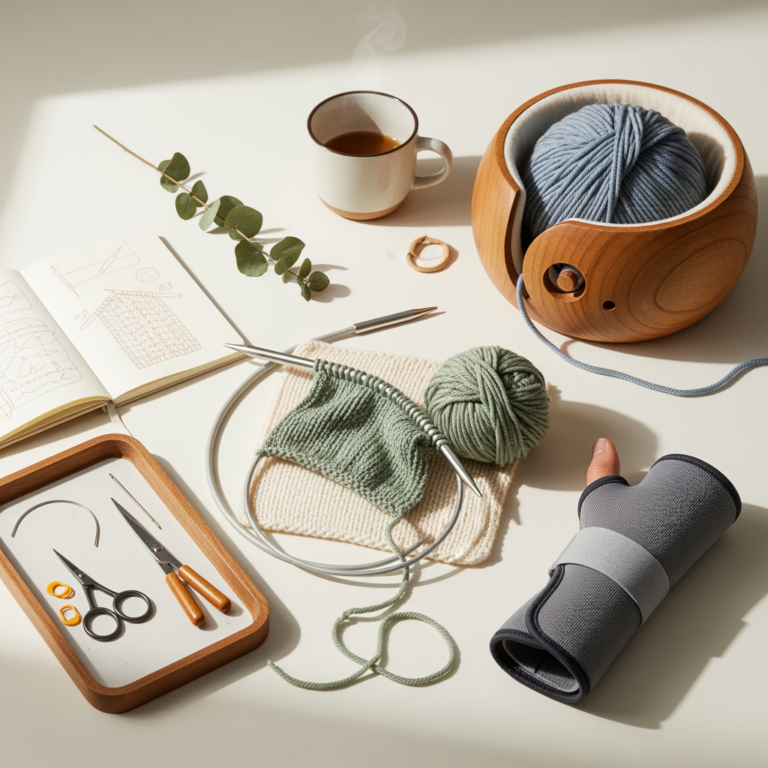
Knitting for hours on end can quickly turn a relaxing hobby into a source of nagging hand and wrist pain. When you are deep into a complex cable project or working with thin sock yarn, the tension in your hands often goes unnoticed until the ache sets in. Ergonomic grips act as a vital buffer, distributing pressure and allowing for a more relaxed, natural hold on your needles. Choosing the right support tool is the difference between finishing that sweater with ease and needing a week-long break for your joints.
Addi Comfort Grip: Best Overall Ergonomic Choice
The Addi Comfort Grip stands out because it addresses the primary issue most knitters face: the thin, unforgiving surface of metal needles. These grips are designed with a soft, molded rubber that provides just enough "give" to prevent your fingers from cramping during long sessions.
Because these are specifically engineered for the brand’s circular needles, the fit is remarkably stable. You won’t find them sliding up and down the shaft while you are in the middle of a complex lace chart.
The real benefit here is the diameter increase. By thickening the area where your fingers rest, you significantly reduce the "pinch" force required to maintain your grip, which is a game-changer for those with arthritis or tendonitis.
Clover Soft Touch Crochet Hook Handle Adapters


While technically designed for crochet hooks, these adapters have become a secret weapon for knitters who use double-pointed needles (DPNs) for small-circumference projects. The "Soft Touch" material is legendary for its velvety, non-slip texture.
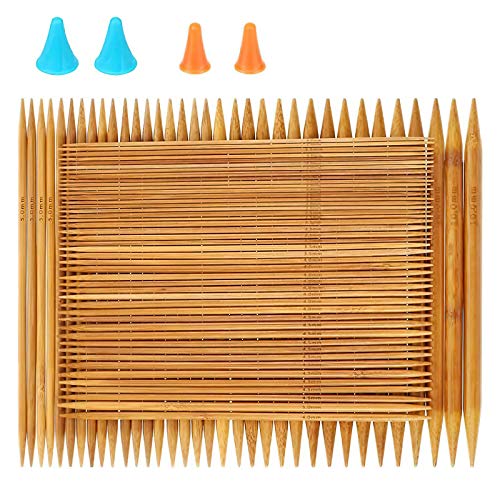
If you find yourself knitting socks on 2.25mm needles for hours at a time, your hands likely tire from the effort of gripping such narrow tools. These adapters create a wider, ergonomic base that feels much more substantial in the palm.
The trade-off is that they add a bit of weight and length to your needles. If you are working on a project that requires very precise, rapid movements, you might find the extra bulk slightly cumbersome at first.
Boye Ergonomic Aluminum Crochet Hook Grips
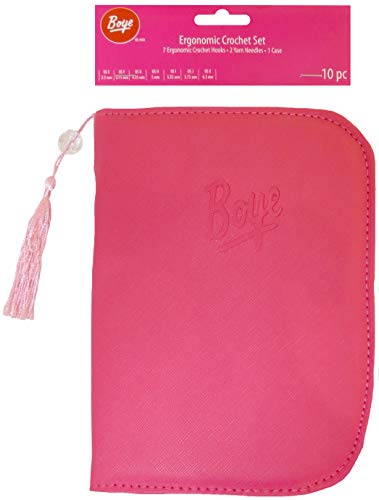
Boye grips are a fantastic, budget-friendly entry point for anyone looking to experiment with ergonomic modifications. They feature a contoured shape that fits naturally into the curve of your hand, encouraging a more relaxed grip.
These are particularly effective for knitters who use a "pencil" hold rather than a "knife" hold. By providing a dedicated resting spot for the thumb and index finger, they help prevent that dreaded "death grip" on the needle.
Keep in mind that these grips are generally rigid. While they provide excellent geometry, they lack the squishy, shock-absorbing qualities of silicone or foam alternatives.
Tulip Etimo Crochet Hook Cushioning Sleeves

Tulip is renowned for its premium ergonomic design, and their cushioning technology is arguably the best in the industry. These sleeves are incredibly lightweight, meaning they won’t throw off the balance of your needles.
They excel at reducing friction against the skin. If you tend to develop calluses or soreness from the constant rubbing of needle barrels against your index finger, these sleeves provide a protective, comfortable barrier.
They are an investment, but for a knitter who spends their weekends working on intricate colorwork or long-term heirloom projects, the comfort level is unmatched. They feel almost like an extension of your hand rather than a tool attachment.
Susan Bates Soft Ergonomic Handle Extensions

Susan Bates is a staple in the fiber arts world, and their handle extensions are designed for simplicity and functionality. They offer a firm, grippy surface that is ideal for knitters who find slick metal needles difficult to control.
These extensions are particularly useful when transitioning between different yarn weights. If you are switching from a slick, slippery silk-blend yarn to a more rustic wool, the added texture of these grips helps maintain consistent tension.
They are straightforward to install and remove, making them perfect for a "tool kit" approach. You can easily swap them between different needle sizes as your project requirements change.
Prym Ergonomic Needle Grip Attachment Set

Prym has taken a modular approach to ergonomics, offering attachments that are specifically shaped to reduce muscle fatigue. These are brilliant for knitters who struggle with their needles slipping out of place during active knitting.
The unique shape of these grips encourages a neutral wrist position. By keeping your hand in a more natural alignment, you drastically reduce the strain on the carpal tunnel area.
One minor downside is that their specific shape can feel restrictive if you prefer to change your grip frequently throughout a row. However, for those who need consistent, reliable support, they are an excellent choice.
How to Properly Fit Grips to Your Needle Size
Achieving a secure fit is crucial; a loose grip is more distracting than helpful. Always measure the diameter of your needle shaft using a standard needle gauge tool before selecting an attachment.
If a grip feels slightly too loose, a small piece of clear medical tape wrapped once around the needle shaft can provide the necessary friction to keep the grip in place. Avoid using thick tapes, as they will create an uneven surface.
Conversely, if a grip is too tight, do not force it. You risk bending your needles or tearing the silicone; instead, try a tiny drop of dish soap to help it slide on, then let it dry completely before use.
Ergonomic Benefits for Long Knitting Sessions
Ergonomic grips are about more than just comfort; they are about longevity in your craft. By increasing the diameter of your needles, you allow the muscles in your hand to remain in a more open, relaxed position.
This is vital when working with high-tension fibers like linen or cotton, which offer no elasticity. When the yarn doesn’t stretch, your hands have to do all the work of maintaining tension, making ergonomic support essential.
Consistent use of these tools prevents the cumulative fatigue that often leads to repetitive strain injuries. Think of them as a preventative measure rather than a solution for pain that has already started.
Reducing Hand Strain With Proper Needle Posture
Even with the best grips, posture is the foundation of pain-free knitting. Aim to keep your wrists straight and your elbows close to your body, rather than splayed out.
Periodically drop your needles and stretch your hands, especially when working on projects with complex increases or decreases. These maneuvers require more fine motor control and often lead to unconscious tightening of the hand muscles.
Remember that your needles should be doing the work of holding the stitches, not your fingers. If you find yourself squeezing the needles, take a breath, consciously relax your shoulders, and reset your grip.
Frequently Asked Questions About Needle Grips
- Will these grips change my gauge? They shouldn’t, but they might change your tension by making you feel more relaxed. Always knit a swatch after adding a grip to ensure your stitch size remains consistent.
- Can I use these on wooden needles? Yes, but be careful. The friction of wood is higher than metal, so slide them on slowly to avoid splintering the surface of the needle.
- Do they work for all yarn types? Generally, yes. However, if you are working with very "hairy" fibers like mohair, ensure the grip doesn’t snag the fibers at the transition point.
- How do I clean them? Most silicone grips can be wiped down with a damp cloth and mild soap. Avoid harsh chemicals that might degrade the material over time.
Investing in ergonomic grips is a smart way to ensure you can enjoy knitting for decades to come. Whether you prefer the soft cushioning of Tulip or the stability of Addi, the right tool will transform your experience. Listen to your hands, prioritize your comfort, and keep creating beautiful things. Your joints will certainly thank you for it in the long run.