6 Best Swifts for Preparing Yarn Cakes Worth Buying
Discover the 6 best yarn swifts for perfect cakes. We compare top models to help you choose a durable, efficient tool for your fiber crafting projects today.
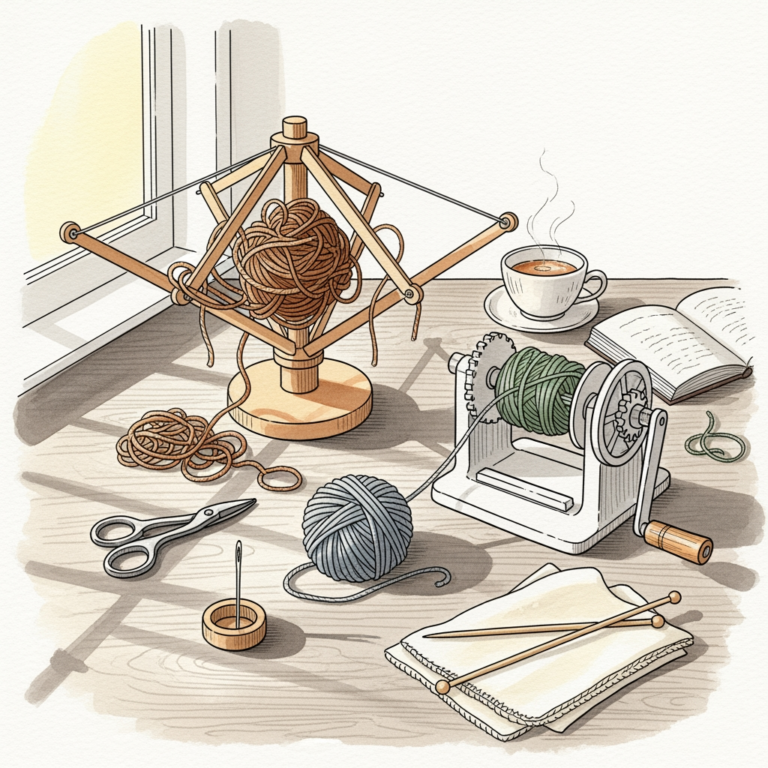
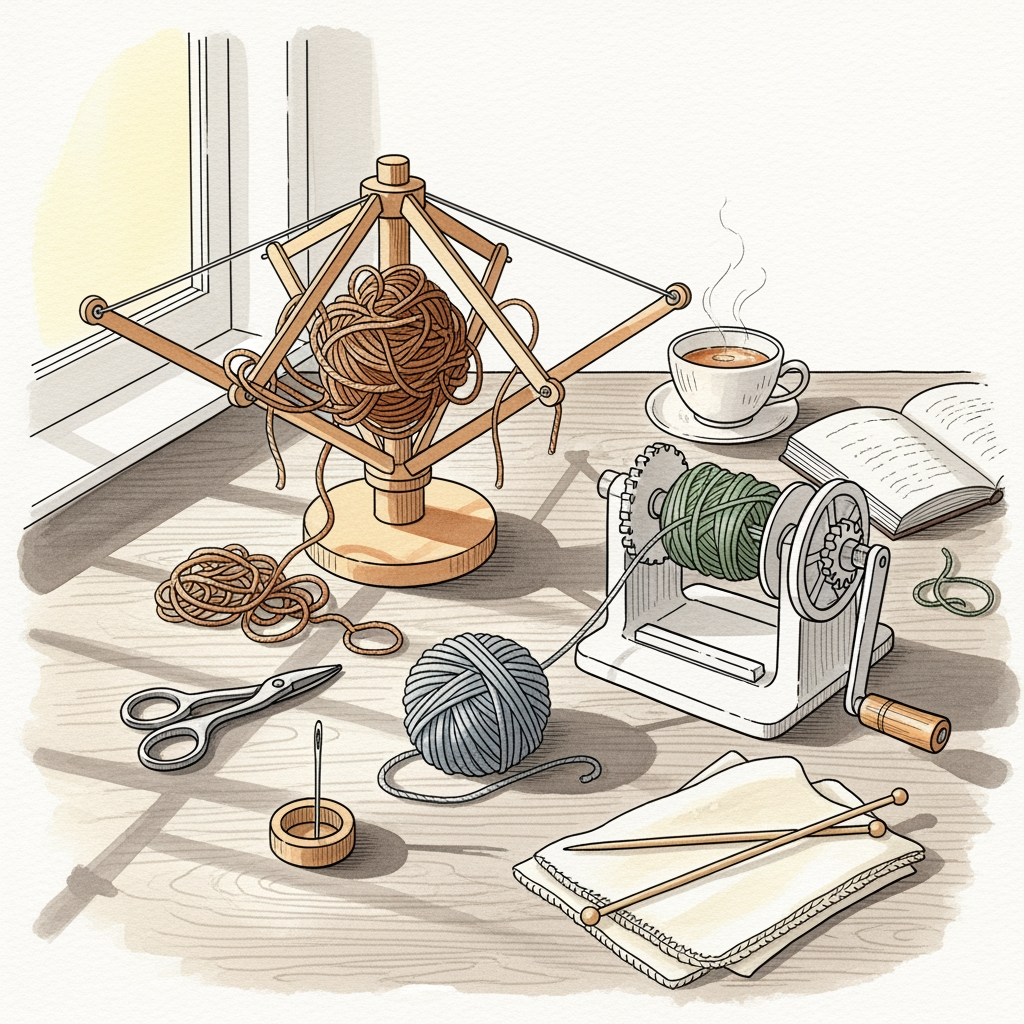
Transforming a tangled hank of hand-dyed wool into a neat, center-pull cake is one of the most satisfying rituals in a knitter’s studio. A high-quality swift acts as the essential partner to your ball winder, ensuring your yarn remains tangle-free and under consistent tension. Choosing the right tool prevents the heartbreak of "yarn barf" and keeps your precious fibers in pristine condition. Investing in a reliable swift is the first step toward a seamless, stress-free knitting experience.
Stanwood Needlecraft Tabletop Swift: Best Overall
The Stanwood Tabletop Swift is the gold standard for most home knitters because it balances durability with smooth, frictionless rotation. Its heavy-duty construction ensures it doesn’t wobble or tip when you are winding a large, heavy hank of worsted-weight wool.


This swift is particularly impressive because it accommodates a wide range of hank sizes, from small lace-weight skeins to massive 200-gram bundles. The metal components are built to last, meaning you won’t be dealing with the splintering or warping often found in cheaper wooden alternatives.
If you value consistency and want a tool that will stay on your craft table for decades, this is the one to choose. It is a workhorse that respects the integrity of your yarn, preventing unnecessary stretching or friction during the winding process.
Amish-Style Wooden Yarn Swift: Best Sturdy Design
Amish-style swifts are unique because they lay flat on your table, utilizing a rotating cross-arm design rather than an umbrella mechanism. This configuration is incredibly robust, making it nearly impossible to tip over even when you are winding quickly.

Because these swifts are typically crafted from solid wood, they offer a beautiful, tactile experience that feels right at home in a traditional knitting nook. They are also exceptionally easy to assemble and disassemble, which is a major plus if you have limited storage space.
The main trade-off is the footprint; you need a decent amount of table space to allow the arms to rotate freely. However, for those who work with heavy, bulky yarns that require a firm, stable base, the Amish-style design is unmatched in its reliability.

KnitPicks Yarn Swift: Best Budget-Friendly Pick
If you are just starting your journey into hand-dyed yarns and don’t want to break the bank, the KnitPicks swift is a sensible entry point. It features a classic umbrella design that is lightweight, portable, and easy to set up in minutes.
While it is made from lighter-weight materials than professional-grade models, it performs admirably for the average knitter’s stash. It is ideal for those who only wind yarn occasionally or who have a smaller collection of fingering-weight skeins.
Keep in mind that you may need to adjust the tension manually to ensure the swift doesn’t spin too freely. It is a functional, no-frills tool that gets the job done without the premium price tag of heavier, metal-based units.
Lacis Wooden Umbrella Swift: Best Professional Tool
For the serious fiber artist who spends hours preparing yarn for complex projects, the Lacis Wooden Umbrella Swift is a masterpiece of engineering. These are often crafted with precision-tuned wood that provides a smooth, quiet rotation that feels almost effortless.
The mechanics of this swift are designed to handle delicate fibers like silk, mohair, or high-twist merino without snagging. If you are winding expensive, hand-painted yarns, the smooth finish of the wood ensures that your fibers never catch on rough edges.
While it requires a higher initial investment, the longevity and performance are well worth the cost for a dedicated maker. It is the kind of heirloom tool that you will find yourself reaching for every time you start a new sweater.
Strauch Jumbo Ball Winder and Swift: Best for Bulk
When you are dealing with massive quantities of yarn—such as winding multiple hanks for a large blanket or a heavy winter coat—the Strauch system is the industry leader. It is designed to handle high-volume winding with extreme stability and speed.
This setup is significantly larger than standard home models, which means it can accommodate even the most oversized skeins without needing to be repositioned. The build quality is exceptional, specifically engineered to withstand the rigors of heavy, continuous use.
If your stash consists primarily of bulk-buy hanks or large sweater quantities, do not waste your time with smaller, flimsy units. The Strauch system is an investment in efficiency that will save you hours of labor over the life of your knitting hobby.
U-nitt Tabletop Yarn Swift: Best Space-Saver Unit

The U-nitt Tabletop Swift is a brilliant solution for knitters living in apartments or those with small, dedicated craft corners. It features a compact design that manages to be sturdy despite its smaller footprint.
It is particularly well-suited for those who need to wind yarn on a crowded desk or a shared dining table. The mechanism is smooth enough to prevent tangles, and the materials are durable enough to handle daily use without showing signs of wear.
If you don’t have a permanent "winding station," this swift is easy to tuck away into a drawer or a basket when you are finished. It proves that you don’t need a massive studio space to maintain a well-organized and functional yarn stash.
How to Choose the Best Swift for Your Yarn Stash
Your choice of swift should be dictated by the types of yarn you use most frequently. If you primarily work with delicate lace-weight silk or mohair, prioritize a swift with a smooth, snag-free finish to protect the integrity of the fiber.
Consider the physical weight of your yarn as well; heavy, bulky, or super-bulky yarns require a swift with a heavy base to prevent it from sliding across your table. If you are a "speed winder," look for models with well-greased, high-quality bearings.

Always measure your available workspace before purchasing, as umbrella swifts require vertical clearance and rotating space. A swift that is too large for your table will only lead to frustration and potential yarn tangles.
Umbrella vs. Amish-Style: Which Swift Suits You?
Umbrella swifts are the most common choice because they are highly adjustable and collapse into a slim profile for easy storage. They are excellent for most standard skeins but can sometimes feel a bit wobbly if the tension is too high.
Amish-style swifts are stationary and offer superior stability, making them the better choice for heavy-duty winding sessions. They don’t collapse as small as umbrella models, but they are often more durable over the long term because they have fewer moving parts.
If you move your gear around frequently, choose an umbrella swift for its portability. If you have a dedicated craft room and want a "set it and forget it" tool, the Amish-style swift is likely your best match.
Maintaining Your Swift for Smooth Yarn Winding
Even the best swift requires a little bit of love to keep it rotating smoothly. Periodically check the joints and screws to ensure everything is tight, as vibrations from winding can loosen hardware over time.
If you have a wooden swift, keep it away from extreme humidity or direct heat, which can cause the wood to warp and the arms to stick. A light dusting with a dry cloth is usually all that is needed to keep the surface clean and fiber-friendly.
For metal swifts, a tiny drop of sewing machine oil on the central pivot can make a world of difference if you notice the rotation becoming sluggish. Taking five minutes to maintain your tool will ensure it performs perfectly for years to come.
Essential Tips for Winding Perfect Yarn Cakes

Always place your yarn cake winder on a flat, stable surface and ensure it is perfectly aligned with your swift. If the winder is too far away or at an odd angle, the yarn will pull unevenly, resulting in a misshapen cake that might collapse.
Start your winding slowly to ensure the yarn is feeding correctly from the swift without catching on any stray loops. Once you have a steady rhythm, you can increase your speed, but never force the swift if you feel resistance.
Finally, never leave a wound cake sitting on the winder for days at a time, as this can stretch the yarn and affect your gauge. Remove the cake as soon as you are finished to allow the fibers to relax back to their natural state.
Choosing the right swift is a personal decision that balances your space, your budget, and the specific demands of your fiber stash. Whether you opt for the professional-grade stability of a Strauch or the compact convenience of a U-nitt, the right tool will make your winding process feel like a treat rather than a chore. Take your time to assess your needs, and you will find a swift that serves you faithfully for years of knitting. Happy winding, and may your yarn cakes always pull from the center without a single knot.