6 Best Cord Caps For Securing Stitches To Try
Secure your knitting with ease. Explore our top 6 cord cap picks to prevent stitch slippage, ensuring your projects stay safe and organized while on the go.
We have all experienced the heart-stopping moment of realizing a project is sliding off a cable while tucked away in a project bag. Cord caps are the unsung heroes of the interchangeable needle world, acting as a vital safety net for your hard-earned stitches. Investing in the right pair can save you from the dreaded "laddering" or, worse, losing an entire row of lace work. This guide explores the best options on the market to ensure your knitting stays exactly where you left it.
ChiaoGoo Small Threaded Cord Caps: Best Overall


ChiaoGoo has earned its reputation by engineering some of the most reliable connections in the knitting industry. These caps feature a precise, deep threading that bites firmly into the cable, ensuring they won’t vibrate loose during travel.
Because they are made from high-quality stainless steel, they offer a weight that feels substantial in the hand. You aren’t just buying a plastic stopper; you are buying a piece of hardware designed to match the longevity of their signature red cables.
If you frequently swap needles between projects, the secure, airtight fit of these caps is unmatched. They don’t just sit on the end of the cable; they become a seamless extension of it. The bottom line: if you want a "set it and forget it" solution for your cables, these are the gold standard.
KnitPicks Options End Caps: The Budget Choice
KnitPicks is a staple for many knitters because they balance accessibility with functional design. Their end caps are lightweight and designed to work across their entire "Options" line, making them incredibly versatile for those building a collection on a budget.
These caps are typically made of a smooth, durable plastic that is easy to grip, even for knitters with limited dexterity. While they don’t have the heavy-duty feel of metal caps, they are perfectly sufficient for holding stitches during long-term storage or while you test a garment for fit.
The tradeoff here is that they can occasionally feel a bit "plasticky" or prone to stripping if you overtighten them. However, for the price point, you can afford to keep a dozen in your notions pouch. They are the best value for knitters who prefer to buy in bulk.
HiyaHiya Interchangeable Needle Caps: Best Grip
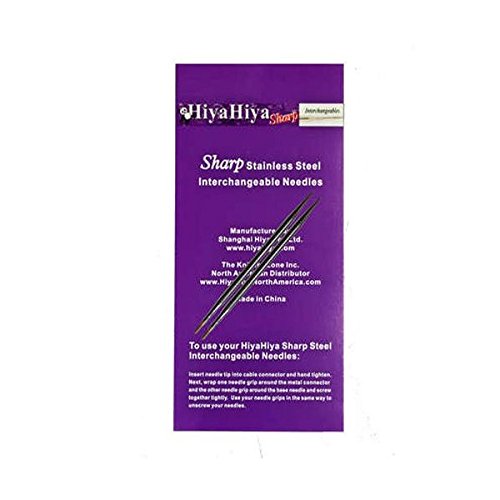
HiyaHiya caps are distinct because they feature a unique shape that provides excellent leverage when twisting them onto your cables. If you have ever struggled to get a cap tight enough because your fingers were slippery or tired, you will appreciate this design.
The grip is not just about comfort; it is about security. Because you can get a better torque on these caps, they are significantly less likely to back out of the cable thread while bouncing around in a crowded knitting bag.
These caps are particularly useful if you are working with slippery materials like silk or bamboo yarn that tend to migrate toward the cable end. They provide a sturdy, reliable seal that gives you peace of mind when your work is off the needles.
Lykke Driftwood Cord Stoppers: Best Aesthetics

Lykke is known for their beautiful, birchwood-based tools, and their cord stoppers carry that same design philosophy. If you value a cohesive, beautiful aesthetic in your knitting kit, these are a joy to use.
Beyond the visuals, these stoppers are designed to be smooth and snag-free. When you are moving your work from the needles to the cord for a "try-on" session, you don’t want a rough edge catching your delicate yarn fibers.
The wood finish is warm to the touch and feels natural in the hands. While they may not have the industrial-grade threading of a metal cap, they are perfect for the style-conscious knitter who wants their tools to be as beautiful as their finished projects.
Addi Click Plastic End Caps: Best Secure Option

The Addi Click system is famous for its unique "click-in" mechanism rather than a traditional screw-on thread. Their end caps utilize this same spring-loaded design, which is arguably the most secure connection in the knitting world.
Because there are no threads to strip or wear down, these caps stay put until you physically press the mechanism to release them. This makes them ideal for knitters who are prone to "knitting bag accidents" where caps might otherwise get knocked off.
The primary tradeoff is that they are proprietary to the Addi Click system. If you use a mix of brands, these won’t work on your standard screw-in cables. However, if you are an Addi loyalist, these caps provide a level of security that is unmatched by threaded alternatives.
Lantern Moon Interchangeable Caps: Best Quality

Lantern Moon products are crafted with an attention to detail that feels luxurious. Their interchangeable caps are finished with a smooth, polished surface that glides through even the most delicate lace yarns without snagging.
The quality of the threading is exceptional, providing a smooth, silent turn that feels precise. When you tighten these, you can feel the quality of the machining, which translates to a connection that stays tight throughout the duration of your project.
These are an investment piece for the knitter who wants their tools to last a lifetime. They are exceptionally durable and aesthetically refined, making them the perfect choice for high-end projects where you don’t want to risk a single stitch dropping.
Why You Need Cord Caps for Your Knitting Projects
Cord caps are far more than a luxury; they are a necessary insurance policy for your knitting. When you move stitches from needles to a cable to try on a sweater or hold a sleeve, the open ends of the cable are essentially "leaking" points for your yarn.
Without a cap, your stitches can easily slide off the end of the cable, especially if you are using slick, superwash wool or slippery synthetic blends. Even if you think your stitches are safe, the friction of your project moving around in a bag can slowly work them off the end.
Using a cap allows you to safely set aside a project for weeks—or even months—without the fear of coming back to a dropped-stitch disaster. It turns your cable into a secure, closed-loop holding device, ensuring your progress remains intact.
How to Properly Secure Stitches With Cord Caps
Securing your stitches is a two-step process that begins with moving your work safely. Gently slide your stitches from the needle onto the cable, ensuring you don’t catch any yarn strands on the needle-to-cable join.
Once the stitches are on the cable, screw your cap on firmly but avoid overtightening. If you use a metal cap, a simple twist until you feel the resistance is usually enough; for plastic caps, be careful not to strip the threads by forcing them too far.
Always perform a "tug test" before putting your project away. Give the cap a light pull to ensure it is seated properly and not just resting on the first thread. This simple habit prevents 99% of accidental stitch loss incidents.
Cord Cap Compatibility: Avoiding Thread Issues
One of the most frustrating realities of the knitting world is that cable threading is not universal. Just because a cap looks like it might fit your cable doesn’t mean the thread pitch is the same, and forcing a mismatch can permanently damage your cable.
Always check if your needle system uses "small" or "large" connectors, as many brands have different caps for different cable diameters. Forcing a large-diameter cap onto a small-diameter cable will result in a loose fit that is guaranteed to fail.
When in doubt, stick to the brand that matches your cable system. If you are using a third-party cable, verify the threading compatibility before you start your project to avoid the frustration of a cap that won’t bite or, worse, one that falls off mid-transit.
Troubleshooting Loose Caps and Lost Stitches
If you find that your caps are constantly working loose, check the threads for debris. Small bits of fiber, dust, or even a tiny amount of lanolin from raw wool can interfere with the threading and prevent a tight seal.
If you have already lost stitches, don’t panic. Use a crochet hook that is slightly smaller than your needle size to pick up the dropped loops, working your way back up to the cable. It is a tedious process, but it is much easier than re-knitting the entire section.
For those who travel frequently, consider adding a small piece of painter’s tape over the cap as a secondary safety measure. It might not be the most elegant solution, but it is a foolproof way to ensure your cap stays put during long flights or bumpy car rides.
Choosing the right cord cap comes down to balancing your specific needle system with your personal preference for grip and material. Whether you prioritize the industrial security of ChiaoGoo or the elegant finish of Lykke, the most important thing is that you use them consistently. By making cord caps a non-negotiable part of your workflow, you protect your time and your stitches from unnecessary risk. Happy knitting, and may your project bag always be a place of safety for your work.