7 Best Silk Yarn Blends For Luxury Garments Worth Trying
Discover the top seven silk yarn blends for luxury knitting. Learn how these exquisite fibers balance durability, drape, and sheen for your next project.
Nothing elevates a handmade project quite like the subtle sheen and fluid drape of a high-quality silk blend. While pure silk can be notoriously difficult to manage, blending it with other fibers tames the yarn, offering both structural integrity and a luxurious hand. Choosing the right blend is the difference between a garment that holds its shape for a decade and one that stretches out of proportion after a single wear. Here are seven exceptional silk blends that deserve a place in your stash for your next heirloom project.
Manos del Uruguay Silk Blend: The Best All-Rounder
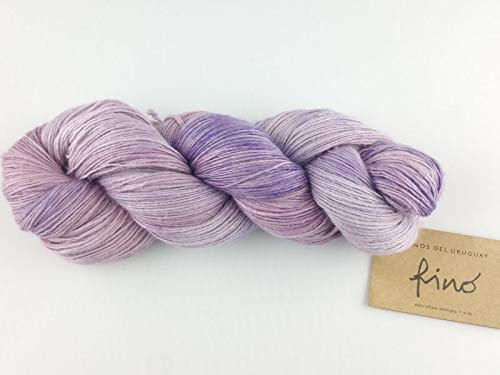

This yarn is a staple for a reason, striking the perfect balance between the rustic character of wool and the elegant luster of silk. Because it is a blend of 70% extrafine merino and 30% silk, it offers enough "tooth" to stay on your needles while still feeling incredibly soft against the skin.
It is particularly well-suited for garments that require a bit of structure, such as a classic pullover or a fitted cardigan. The merino provides the necessary bounce to prevent the dreaded "saggy" silk effect, while the silk adds a subtle, sophisticated glow that catches the light beautifully.
If you are transitioning from basic wool to luxury fibers, this is your best starting point. It behaves predictably on the needles, making it an excellent choice for textured stitches like cables or moss stitch, which really pop against the yarn’s slight sheen.
Rowan Kidsilk Haze: The Premier Mohair Silk Blend

Kidsilk Haze is the industry standard for lace-weight mohair blends, and for good reason. The combination of 70% super kid mohair and 30% silk creates a haloed, ethereal fabric that is remarkably lightweight yet deceptively warm.
The primary trade-off with this yarn is its difficulty to rip back, or "tink." Because the mohair fibers lock together, you must be confident in your stitch count before moving on, as correcting mistakes can be a frustrating, fuzzy experience.
Use this when you want to create a garment that feels like a cloud. Whether you hold it double for a cozy sweater or use it as a single strand for a delicate wrap, the result is always elegant. Just remember to use slightly larger needles than the label suggests if you want to emphasize the drape.
Shibui Knits Nest: Luxury Wool and Silk Perfection
Nest is a sophisticated blend of 75% wool and 25% silk that feels remarkably refined. It is a chainette-style yarn, meaning the fibers are constructed into a tiny, hollow tube rather than a traditional twist, which gives the finished fabric incredible lightness and resistance to pilling.
Because of this unique construction, it creates a very smooth, defined stitch pattern. If you are planning a project with intricate lace or bold, geometric cables, this yarn will showcase your work with surgical precision.
Be aware that chainette yarns can behave differently than plied yarns when it comes to tension. If you tend to be a tight knitter, you might find this yarn feels slightly less forgiving, so don’t be afraid to go up a needle size to ensure the fabric remains fluid.
Malabrigo Mechita: The Best Hand-Dyed Silk Merino

Mechita is a fingering-weight, single-ply yarn that features a generous silk content, providing a beautiful shimmer to Malabrigo’s signature hand-dyed colorways. It is incredibly soft, making it ideal for accessories like cowls or scarves that sit directly against the neck.
Because it is a single-ply yarn, it has a tendency to pill more than a multi-ply yarn if subjected to high-friction areas. I recommend using this for projects that won’t see heavy daily wear, such as a decorative shawl or a lightweight summer top.
When working with hand-dyed yarns, always remember to alternate skeins if you are working on a large garment. Even within the same dye lot, individual skeins can vary, and alternating every two rows will ensure a consistent color flow.
Juniper Moon Farm Findley: Best Lace Weight Silk

If you are looking for pure, unadulterated drape, Findley is a 50/50 blend of merino and silk that mimics the feel of a high-end commercial knit. It is exceptionally thin, making it the perfect choice for fine lace projects that require a delicate, professional finish.
The fiber content provides a slight elasticity that pure silk lacks, which makes it much easier to block into shape. It is a fantastic choice for large-scale projects like a full-length lace shawl, where you want the fabric to flow rather than hang stiffly.
Be prepared for the yarn to feel quite "slippery" on metal needles. I strongly suggest using wood or bamboo needles when working with Findley to give your stitches a little extra grip and prevent them from sliding off the tips.
Debbie Bliss Rialto Luxury: Silk and Merino Blend

Rialto Luxury is a classic, reliable blend that offers a more traditional "woolen" feel with the added benefit of silk’s drape. It is a great workhorse yarn for those who want a garment that feels expensive but remains durable enough for regular rotation.
The twist on this yarn is quite consistent, which makes it a dream for stockinette stitch. If you are knitting a simple, elegant sweater where the fabric needs to be perfectly even, this is a top-tier choice.
Don’t let the "luxury" label intimidate you; this is a very approachable yarn. It doesn’t split easily and holds up well to the rigors of everyday use, making it a perfect introduction for a knitter looking to invest in their first "good" sweater project.
Noro Sonata: The Best Cotton and Silk Summer Yarn

Noro is famous for its wild, self-striping colorways, and Sonata is no exception. This blend of cotton, silk, viscose, and polyamide is specifically designed for warmer weather, offering a cool, crisp hand that won’t overheat the wearer.
The trade-off here is that the yarn can feel a bit "thready" due to the blend of fibers. It doesn’t have the elasticity of a wool-based yarn, so it is best used for patterns that are inherently drapey, such as loose tanks or oversized summer cardigans.
If you are used to the bounce of wool, the lack of "snap back" in this yarn might surprise you. Embrace the unique, textured quality of the fiber, and focus on maintaining a consistent tension throughout your rows to ensure the fabric hangs evenly.
Why Silk Blends Are Ideal for Heirloom Garments
Silk is nature’s strongest fiber, and when blended with wool, it creates a fabric that is both incredibly durable and resistant to the elements. These blends are the secret behind garments that last for generations rather than seasons.
- Longevity: Silk adds tensile strength, preventing the garment from thinning out at stress points like elbows or cuffs.
- Drape: Silk fibers are heavy and smooth, which forces the fabric to hang beautifully against the body.
- Breathability: These blends regulate temperature well, keeping you warm in the winter and cool in the spring.
When you invest the time to knit an heirloom piece, you want the materials to reflect that effort. Silk blends elevate a project from a simple craft to a piece of wearable art that will only improve with age and proper care.
Essential Tips for Working With Slippery Silk Yarn
Working with silk can be a challenge because the fibers are inherently smooth and prone to sliding off your needles. If you find yourself constantly chasing dropped stitches, the first step is to evaluate your needle material.
- Choose the right needle: Switch to wooden or bamboo needles if your metal needles are too slick.
- Watch your tension: Silk doesn’t "grip" itself like wool, so you must maintain a consistent tension to prevent uneven stitches.
- Use a lifeline: When working on complex lace, always run a lifeline through your work every few repeats so you can recover easily if a stitch drops.
Don’t be afraid to slow down your pace. Silk demands a more rhythmic, deliberate knitting style, which is actually a wonderful way to practice mindfulness while you work on your project.
How to Properly Block and Care for Silk Knitwear
Blocking is the most critical step when working with silk blends. Because silk is heavy, the garment will likely grow when it is wet, so you must be prepared to "pin it out" to the exact dimensions required by your pattern.
- Gentle washing: Use a wool wash designed for delicates and never agitate the garment.
- Drying: Always lay your silk blend flat to dry; hanging a wet silk garment will cause it to lose its shape permanently.
- Storage: Fold your silk garments rather than hanging them to prevent the weight of the fabric from stretching the shoulders.
Treat your finished silk garment with the same respect you gave it while knitting. If you take the time to block it correctly and store it flat, your garment will maintain its luxurious drape and luster for years to come.
Selecting the right silk blend is a rewarding journey that balances the tactile pleasure of the fiber with the structural needs of your design. Whether you choose a soft mohair blend or a sturdy merino-silk mix, the resulting fabric will possess a depth and movement that synthetic alternatives simply cannot replicate. Take your time, swatch thoroughly, and enjoy the process of creating something truly special. Your needles are ready, and the perfect project is waiting.