6 Best Mordants For Cotton Fibers For Vibrant Colors
Unlock vibrant, lasting hues on cotton with these six essential mordants. Learn how these fixatives transform natural dyes into rich, professional-grade colors.
Achieving vibrant, lasting color on cotton requires a fundamental shift in how you approach your fiber preparation. Unlike protein fibers like wool, cotton is a cellulose fiber that lacks the natural affinity for many natural dyes. By mastering the use of specific mordants, you can transform plain, dull cotton into a canvas of rich, saturated color. This guide breaks down the essential tools and techniques to ensure your hand-dyed cotton projects stand the test of time.
Alum Acetate: The Gold Standard for Cotton Dyeing
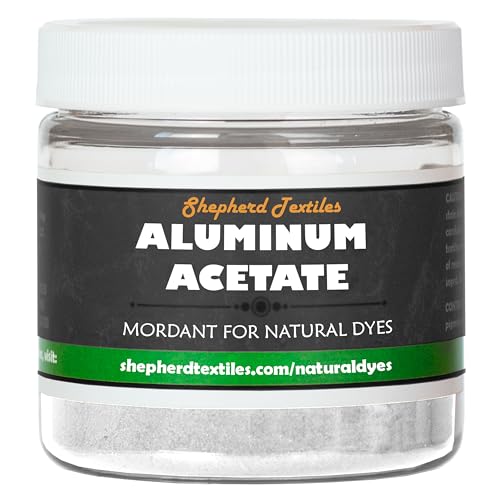

Alum acetate is widely considered the most effective mordant for cellulose fibers because it forms a strong, reliable bond with the cotton structure. If you are preparing yarn for a delicate lace shawl or a sturdy summer tee, this is your primary tool for ensuring the dye actually stays put.
Unlike the common alum sulfate used for wool, alum acetate is specifically formulated to bridge the gap between plant-based fibers and natural dyes. It provides a clean, clear base that doesn’t muddy your colors, which is vital if you are aiming for bright, crisp hues.

Keep in mind that alum acetate can be slightly more expensive and harder to source than basic alum. However, for a project where you’ve invested hours of knitting time, the trade-off for superior color fastness is well worth the extra effort.
Tannin Pre-Treatment: Essential for Plant Fibers
Cotton is a cellulose fiber, meaning it lacks the natural protein sites that dyes usually grab onto. Tannins act as the crucial "glue" that allows the mordant to stick to the cotton; without them, your colors will likely wash out after the first soak.
You should think of tannin as a primer for your fiber, much like you would prime a canvas before painting. Whether you use gallnut, sumac, or oak bark, applying tannin before your mordant bath creates a foundation that ensures deep, long-lasting saturation.
Don’t skip this step even if you are in a rush to get your dye pots simmering. Without the tannin bridge, your mordant won’t hold properly, leading to faded, lackluster results that won’t hold up to the wear and tear of daily use.
Ferrous Sulfate: Achieving Deep Greys and Blacks
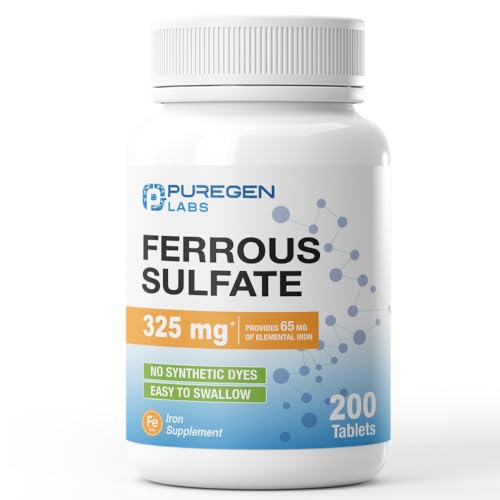
Ferrous sulfate, commonly known as iron, is a "saddening" agent that shifts your colors toward the darker, moodier end of the spectrum. If you’ve dyed a vibrant yellow with weld and want to shift it into a sophisticated olive or forest green, iron is your go-to modifier.
Be careful, though; iron is a powerful tool that can easily overpower delicate dye colors. Use it in very small amounts, and consider using it as a post-dye dip rather than a primary mordant to maintain better control over the final shade.
Because iron can slightly weaken cellulose fibers if used in excess, always handle your yarn gently during the process. It is the perfect choice for creating those deep, charcoal-inspired greys that look stunning in textured, cabled sweaters.
Copper Sulfate: Enhancing Green and Brown Shades

Copper sulfate acts as a color modifier that brings out rich, earthy undertones in your natural dyes. It is particularly effective at shifting yellows into vibrant, grassy greens and brightening dull browns into warm, chocolatey tones.
While it creates beautiful, complex colors, copper sulfate requires careful handling due to its toxicity. Always ensure you are working in a well-ventilated space and using dedicated equipment that never touches your kitchen food prep areas.
If you are looking for that specific, mossy green for a stranded colorwork project, copper is hard to beat. Just remember that it is a modifier, not a primary mordant, so use it sparingly to achieve the exact depth of tone you desire.
Tin Crystals: The Secret to Brightening Your Colors

Tin crystals are the "highlighter" of the natural dyeing world. When added to your dye bath, they have a unique ability to make colors appear significantly more vibrant, clear, and luminous than they would otherwise.
This is an excellent choice if you are working with natural dyes that tend to produce muted or dusty shades. A small amount of tin can turn a dull, pale yellow into a striking, sunny gold that pops against a darker contrasting yarn.
Use tin with caution, as it can make certain fibers brittle if the concentration is too high. Always perform a small test swatch with your yarn first to ensure the fiber integrity remains strong enough for your chosen pattern’s gauge and stitch requirements.
Chrome Mordant: For Excellent Light and Wash Fastness
Chrome, or potassium dichromate, is legendary for its ability to produce incredibly light-fast and wash-fast colors. If you are knitting a garment that will see a lot of sun exposure or frequent machine washing, chrome provides a level of durability that few other mordants can match.

However, chrome is a heavy metal and poses significant health and environmental risks. Because of this, many modern dyers have moved away from it in favor of safer, more eco-friendly alternatives like alum acetate.
If you decide to use it, you must be extremely diligent with your safety protocols, including wearing a respirator and disposing of the waste water according to local hazardous material regulations. For most knitters, the risks usually outweigh the benefits unless you are aiming for a specific historical color result.
Why Cotton Requires Special Mordanting Techniques
Cotton is a stubborn fiber that doesn’t accept dye as readily as animal fibers like wool or alpaca. Because cotton is smooth and lacks the microscopic scales found on wool, the dye molecules have nowhere to anchor themselves without a chemical bridge.
If you try to treat cotton exactly like wool, you will likely end up with pale, uneven results that wash out almost immediately. You must treat the fiber with a tannin-mordant sequence to "open up" the cellulose and create an attachment point for the dye.
Think of it as the difference between knitting with a grippy, woolen-spun yarn versus a slick, mercerized cotton. The latter requires more attention to tension and technique to ensure the fabric holds its shape; similarly, cotton fiber requires more rigorous preparation to hold its color.
Understanding the Tannin-Alum Fiber Bond Process
The "Tannin-Alum" method is the gold standard for a reason: it mimics the chemical structure of protein fibers. You first soak the cotton in a tannin bath, which binds to the cellulose, and then follow it with an alum bath that binds to the tannin.
This two-step process creates a stable, molecular "hook" for your natural dyes to latch onto. When you finally add your dye, the color molecules bind to the alum, which is bound to the tannin, which is bound to the cotton.
It takes more time and patience, but the payoff is professional-grade color fastness. If you are investing the time to hand-dye a sweater’s worth of yarn, this multi-step prep is the only way to guarantee your hard work doesn’t fade after the first wash.
Safety Protocols for Handling Natural Dye Mordants
Safety is non-negotiable when working with metallic salts and chemical mordants. Always treat these substances with the same respect you would give to harsh cleaning chemicals, even if they are labeled "natural."
- Ventilation: Always work in a well-ventilated area to avoid inhaling fine powders or vapors.
- Protection: Wear gloves, a mask, and eye protection whenever handling mordant powders.
- Dedication: Use dedicated pots and utensils that are never used for cooking food.
- Disposal: Never pour mordant-laden water down the drain; follow local environmental guidelines for heavy metal disposal.
Treating your dye studio with the same care as your knitting workspace ensures you can keep creating for years to come. Remember, a healthy dyer is a productive dyer.
Troubleshooting Common Cotton Dyeing Color Results
If your colors come out patchy or uneven, it is usually a sign that the fiber wasn’t scoured properly or the mordant didn’t penetrate evenly. Cotton must be thoroughly cleaned of all natural waxes and impurities before it ever touches a dye pot.
If your colors are too pale, you may need to increase your tannin concentration or extend your mordant soaking time. Sometimes, the fiber simply needs more time to "drink" in the mordant before the dye is introduced.
Finally, always keep a notebook of your measurements and timing. Natural dyeing is just like knitting; if you don’t track your gauge and your steps, you won’t be able to replicate that perfect, custom colorway for your next project.
Mastering these six mordants will open up a world of color possibilities for your cotton knitting projects. By understanding the chemical interplay between tannins, mordants, and cellulose, you can move beyond simple dyeing into true color craftsmanship. Remember that patience is your best tool, and keeping diligent records will ensure your results are as repeatable as they are beautiful. Enjoy the process of creating custom colors that are uniquely yours.