7 Best Clip-on Led Lights For Pattern Visibility
Enhance your precision with these 7 clip-on LED lights. Discover top picks for superior pattern visibility, ergonomic designs, and improved crafting accuracy.
Knitting in low light is a challenge every fiber artist faces, especially when working with dark-colored yarns that swallow up stitch definition. A quality clip-on light acts as a third hand, illuminating your needles so you can maintain consistent tension and spot dropped stitches before they become ladders. The right illumination transforms a frustrating evening of squinting into a productive, relaxing session. These seven picks are selected to help you find the perfect balance of brightness, portability, and comfort for your late-night crafting.
Glocusent LED Neck Reading Light: Best Overall


This light is a staple in many knitting bags because it rests comfortably around your neck, keeping the light source perfectly aligned with your hands. Unlike clip-on lights that can make your needles feel heavy or unbalanced, the neck design keeps the weight off your work entirely.
It offers multiple color temperatures, which is essential when you are switching between high-contrast yarns and subtle, tonal hand-dyed wools. The flexible arms allow you to direct the beam exactly where the yarn meets the needle tip, preventing shadows that often hide complex cable crossings.
Bottom line: It is the most ergonomic choice for long sessions, especially if you are prone to neck strain. It keeps your workspace clear so you can focus on your stitch pattern without the light getting in the way of your yarn management.
Vekkia Rechargeable Book Light: Best for Comfort
If you prefer a traditional clip-on style, the Vekkia is exceptionally gentle on your work. Its padded clip ensures that it won’t snag delicate fibers like mohair or silk, which is a common fear when attaching lights directly to a project bag or a knitting frame.
The light is diffused, meaning it doesn’t create harsh "hot spots" that can blind you when you look up from your needles. This is particularly helpful when working with reflective or metallic threads that can cause glare under intense, direct LED beams.
Bottom line: Choose this if you want a lightweight, reliable clip that won’t damage your project. It is perfect for those who want a simple, "set it and forget it" light that doesn’t require constant adjustment.
Mighty Bright NuFlex Clip Light: Best Portability
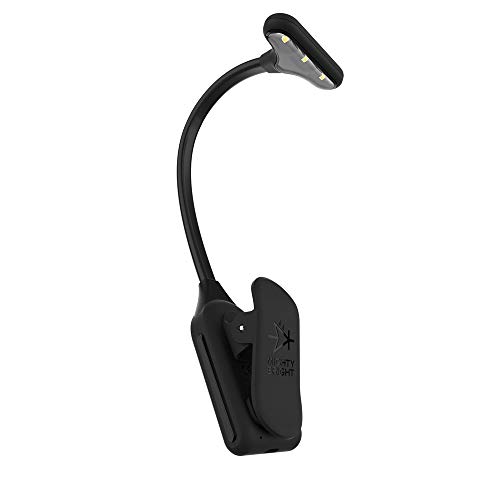
For the knitter who takes their projects everywhere—from the train to the waiting room—the NuFlex is unmatched. It is slim, durable, and folds down to a size that barely takes up room in a notions pouch.
Its neck is remarkably stiff, which sounds like a negative, but it is actually a benefit for precision. Once you set the angle to illuminate your stitch count on a lace chart, it stays put even if you move your body or shift your knitting position.
Bottom line: This is the ultimate travel companion. It won’t snap or lose its shape in a crowded project bag, making it a reliable choice for the nomadic knitter.
LuminoLite Rechargeable Light: Best Wide Coverage

Some projects, like large-scale blankets or wide shawls, require a broader field of illumination than a single focused beam can provide. The LuminoLite features a wider head that casts a softer, more expansive glow over your entire lap.
This is a game-changer for stranded colorwork, where you need to see the floats on the back of the work as well as the pattern on the front. By lighting a wider area, you reduce the need to constantly reposition the light as you move across a row.
Bottom line: If you are working on large-format pieces, this light prevents the "tunnel vision" effect. It provides enough coverage to see your entire row, which helps in maintaining even tension across wide sections.
Energizer Clip-On Book Light: Best Budget Choice

You don’t always need high-tech features to get the job done, and the Energizer clip-on is a testament to simple utility. It is lightweight, affordable, and provides a clear, steady beam that is more than sufficient for basic stockinette or garter stitch projects.
While it lacks the adjustable color temperatures of more expensive models, its brightness is consistent and reliable. It is a fantastic "backup" light to keep in your car or purse for those unexpected moments when you have time to knit but the lighting is poor.
Bottom line: This is the best value for money for the casual knitter. It performs the essential task of illuminating your needles without any unnecessary bells and whistles.
Omeril Rechargeable Reading Light: Best Versatility
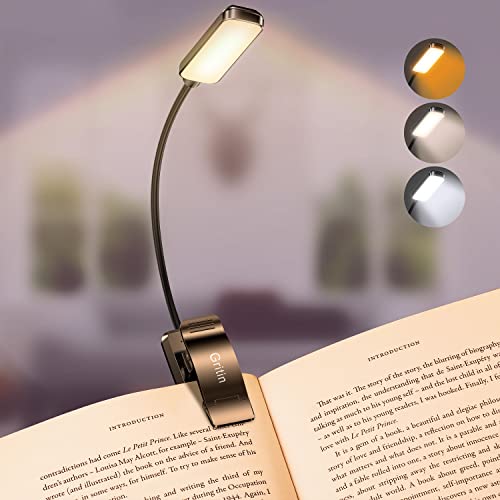
The Omeril stands out because of its multiple brightness settings and its ability to clamp onto almost anything. Whether you are clipping it to a knitting stand, a chair arm, or even a book of patterns, it holds firm without slipping.
The rechargeable battery is a major plus, saving you from the hassle of hunting for spare batteries mid-row. It offers a very clean, neutral light that is excellent for checking the true color of your yarn, which is vital when you are color-matching for a project.
Bottom line: Its versatility makes it a great choice for knitters who have multiple hobbies. It works just as well for embroidery or reading as it does for knitting.
KEDSUM Flexible Neck Light: Best for Dark Yarns

Knitting with black or navy yarn is notoriously difficult, as the fibers absorb light rather than reflecting it. The KEDSUM’s focused, high-intensity beam is specifically designed to cut through that darkness, making the individual stitches visible.
The long, flexible neck is its greatest asset, allowing you to get the light source very close to your needles without it getting in the way of your hands. This proximity is the secret to successfully working with dark, low-contrast fibers.
Bottom line: If you are a fan of dark-colored garments, this is your best friend. It provides the specific type of intense, localized light needed to see your stitches clearly when working with black wool.
How to Choose the Right Light for Knitting Projects
When selecting a light, consider the weight and the clip mechanism first. A heavy light can pull on your knitting, potentially distorting your gauge or causing the fabric to sag while you work.
- Weight: Look for lightweight plastics rather than heavy metal housings.
- Clip Strength: Ensure the clip has rubber padding to protect your yarn from snags.
- Flexibility: The neck must be adjustable enough to clear your hands as you knit.
Think about your environment as well. If you knit in a dark room, you need a brighter, more focused beam; if you have ambient light, a softer, diffused light will prevent eye strain.
Why Color Temperature Matters for Stitch Visibility
Color temperature is measured in Kelvins (K), and it drastically changes how you perceive your yarn. A "cool" light (higher Kelvin) is blue-toned and makes high-contrast stitch definition pop, which is great for learning new techniques.
A "warm" light (lower Kelvin) is yellow-toned and is much easier on the eyes during long, late-night sessions. For colorwork, aim for a "daylight" setting (around 5000K) to ensure the colors you are using are the ones you intend to see.
Pro tip: If you are working with variegated yarn, a neutral daylight setting is essential. It prevents the light from skewing the colors, ensuring your color transitions look exactly as they should when you block the finished piece.
Tips for Reducing Eye Strain During Night Knitting
Even with the perfect light, your eyes can tire if you focus too intensely for too long. Follow the "20-20-20 rule": every 20 minutes, look at something 20 feet away for 20 seconds to relax your eye muscles.
Ensure your light is positioned to illuminate the work, not your eyes. If you see a glare on your needles, adjust the angle of the light so it hits the yarn from the side rather than head-on.
Finally, keep your posture in mind. If you are hunching over to see your work, your light is likely too dim or poorly positioned. Bring the work up to your eyes, not the other way around, to keep your neck and back pain-free.
Finding the right light is just as important as choosing the right needle size or fiber for your project. By prioritizing ergonomics, color temperature, and beam precision, you can turn your nighttime knitting into a truly comfortable experience. Don’t settle for squinting through your rows when a simple, well-placed LED can make every stitch clear and enjoyable. Happy knitting, and may your rows always be even and your light always bright.