6 Best Ergonomic Chair Cushions For Long Knitting Marathons
Knitting for hours? Discover the 6 best ergonomic chair cushions to improve posture, reduce back pain, and keep you comfortable during your crafting marathons.
As any seasoned knitter knows, the difference between a finished heirloom sweater and a project abandoned due to back pain often comes down to your seating setup. Spending hours hunched over intricate lace charts or repetitive stockinette can wreak havoc on your spine if you aren’t properly supported. Investing in a quality seat cushion transforms your crafting station from a source of fatigue into a sanctuary for creativity. These six cushions are designed to keep you comfortable through even the longest marathon knitting sessions.
Purple Royal Seat Cushion: Best Overall Support
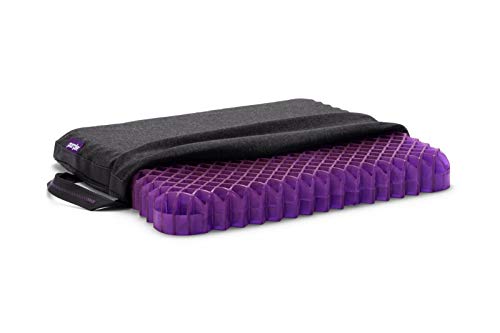

The Purple Royal Seat Cushion uses a unique hyper-elastic polymer grid that feels unlike any traditional memory foam. For knitters who spend days tackling complex stranded colorwork, this material offers a "floating" sensation that prevents pressure points from forming during long, static hours.
Unlike foam, which can trap heat and make you sweat during a tense session of cabling, this grid design promotes airflow. Keeping cool is vital when you’re working with high-friction fibers like sticky wool or mohair that already require extra focus and physical effort.
The structure is incredibly durable and won’t bottom out, even if you’re a power-knitter who logs five-hour sessions daily. While it is heavier than other options, the trade-off for its superior weight distribution is well worth it for your long-term spinal health.
Everlasting Comfort Memory Foam: Best Value Pick
If you’re just starting your journey into complex garment knitting and don’t want to break the bank, this memory foam cushion is a solid entry point. It provides a consistent, soft base that helps mitigate the stiffness that sets in after finishing a long row of ribbing.

The U-shaped cutout is specifically designed to suspend your tailbone, which is a game-changer when you’re sitting in a standard wooden dining chair. Many knitters find that standard chairs are too hard for the hours required to complete a complex sock heel or a gusset.
Be aware that memory foam can lose its responsiveness over time, especially if you knit every single day. However, for the price point, it provides the necessary relief to keep your posture upright while you focus on maintaining even tension.
ComfiLife Gel Enhanced Seat: Best for Posture
This cushion combines the contouring power of memory foam with a cooling gel layer, making it ideal for those who struggle with "knitter’s slouch." By forcing your pelvis into a neutral position, it naturally aligns your spine, preventing that dreaded rounded-shoulder posture.
When you are working on a large-scale project like a blanket, you tend to lean forward to see your stitches more clearly. This cushion provides the subtle lift needed to keep your eyes level with your work without straining your neck.
The non-slip bottom is a thoughtful detail for knitters who might be shifting their weight to reach for a stitch marker or a cable needle. It stays firmly in place, ensuring you don’t have to readjust your seating mid-row.
Kieba Coccyx Seat Cushion: Best for Tailbone
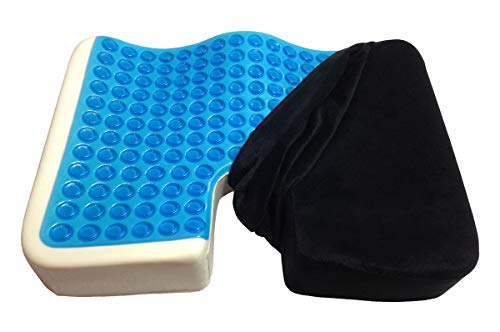
Targeted relief for the tailbone is essential for knitters who suffer from lower back sensitivity during long projects. The Kieba cushion excels here, offering a high-density foam that provides enough resistance to keep you elevated without feeling like you’re sinking into a cloud.
If you find yourself shifting constantly to find a "sweet spot" while working on lace weight projects, this cushion will likely stabilize your position. It reduces the pressure on your lower spine, which is often the first area to ache when you’re focused on intricate stitch patterns.
It is particularly effective if you use a chair that is slightly too deep for your frame. The cushion adds just enough depth to support your thighs, preventing the edge of the chair from cutting into your circulation while you knit.
Aylio Coccyx Orthopedic Pad: Best for Portability

For the knitter who loves to attend knitting circles, guild meetings, or retreats, the Aylio pad is an indispensable companion. It is lightweight and features a built-in handle, making it easy to toss into your project bag alongside your yarn stash.
The ergonomic, contoured design is excellent for chairs in community centers or coffee shops that aren’t designed for long-term comfort. You can maintain your posture while chatting and knitting, ensuring you aren’t sidelined by back pain before the meeting ends.
While it is firm, the firm support is actually a benefit for those who need to maintain a specific height to keep their needles at the correct angle to their lap. It’s a reliable, no-fuss solution for the knitter on the go.
RelaxoBak Orthopedic Cushion: Best for Firmness

If you prefer a seat that feels supportive rather than plush, the RelaxoBak is your best bet. Its design is specifically engineered to relieve pressure on the coccyx, making it a favorite for those who prioritize structural integrity over soft cushioning.
When you are knitting with heavy, rustic wools that require a bit of physical force to manipulate, having a firm base helps you use your core rather than your back. This cushion doesn’t compress easily, which keeps your knitting height consistent across multiple hours.
This is a specialized choice for knitters who know they need a rigid, supportive surface to avoid back strain. It might feel stiff at first, but your posture will thank you after a long weekend of intensive project work.
How to Choose the Right Cushion for Knitting
Choosing the right cushion is as personal as choosing the right needle material for a specific yarn. If you knit with slick metal needles, you already know how they affect your tension compared to bamboo; treat your cushion choice with the same level of scrutiny.
- Consider your chair: A soft sofa needs a firm cushion to provide structure, while a wooden chair needs a plush, gel-infused option.
- Evaluate your project type: Intricate, slow-going lace requires long periods of intense focus where you won’t move much; choose high-end support.
- Assess your fiber weight: If you’re knitting heavy, bulky sweaters, you’ll be shifting more; a non-slip base is non-negotiable.
Don’t be afraid to test the height of the cushion; it should allow your elbows to remain at a comfortable 90-degree angle while your work rests in your lap. If the cushion is too thick, you’ll end up hunching over, which defeats the purpose of the ergonomic support.
Why Ergonomics Matters for Long Knitting Sessions
Knitting is a repetitive motion sport, and "knitter’s back" is a very real occupational hazard. When you focus on your stitches, your body often enters a state of static tension, meaning your muscles are working hard to hold you in one position without you even realizing it.
Poor posture leads to fatigue, which in turn leads to sloppy tension and mistakes in your stitch counts. By supporting your spine, you allow your shoulders and arms to remain relaxed, which is the secret to consistent, beautiful gauge.
Think of your seat cushion as part of your knitting toolkit, just like your favorite set of interchangeable needles. When your body is comfortable, your mind is free to focus on the nuance of your fiber, the twist of your yarn, and the joy of the craft.
Tips for Maintaining Proper Posture While Knitting
Even the best cushion can’t replace the need for active posture management. Every time you finish a row or complete a repeat of a chart, take a moment to reset your shoulders and check your alignment.
- Keep your feet flat: Ensure your feet are planted firmly on the floor to provide a stable base for your spine.
- Bring the work to you: Don’t lean down to your needles; lift your needles up to your natural eye level.
- Use a task light: Proper lighting prevents you from hunching forward to see dark-colored yarns or intricate stitch details.
Listen to your body’s signals; if you start to feel a dull ache in your lower back or tightness in your neck, it is time to stop and reset. A five-minute break to walk around is always better than pushing through and risking a strain that keeps you away from your needles for a week.
Essential Stretches to Relieve Knitting Tension
Stretching is the best way to counteract the effects of a long knitting marathon. Focus on opening up your chest and releasing the tension in your upper back, which tends to tighten up when you’re working on intricate projects.
- Chest Opener: Interlace your hands behind your back and gently pull your shoulders down and back.
- Neck Release: Gently tilt your head from side to side, holding for a few breaths to release the tension that builds up while looking down at your work.
- Wrist Circles: Don’t forget your hands; rotate your wrists in both directions to keep your joints fluid and ready for the next row.
Incorporate these stretches into your routine every hour or two. Taking care of your body is the most important part of being a lifelong knitter, ensuring you can enjoy your hobby for decades to come.
Finding the right ergonomic cushion is an investment in your longevity as a maker, ensuring that back pain never cuts your creative time short. Whether you prefer the firm support of a dedicated orthopedic pad or the cooling relief of a gel-grid, the right choice will make your knitting sessions more productive and enjoyable. Remember, your body is the most important tool in your fiber arts arsenal, so treat it with the same care you give your finest hand-dyed yarns. Happy knitting, and may your posture always be as perfect as your tension.