7 Best Buttons For Garment Closures To Consider
Choosing the right fastener is vital. Explore 7 top garment buttons, from classic wood to durable metal, to improve your sewing projects’ style and function.
Choosing the right button is the final, crucial step that transforms a handmade garment from a "project" into a professional-grade piece. After spending weeks on gauge swatches and blocking, the hardware you select dictates both the longevity and the aesthetic finish of your work. These seven options represent the gold standard in the fiber arts community for their durability and style. Understanding how these materials interact with your yarn choice is the secret to a perfect closure.
La Mode Classic Four-Hole Resin: Best for Basics

These resin buttons are the workhorses of the knitting world, offering a clean, understated look that won’t distract from complex stitch patterns. If you’ve spent hours on a complicated cable design, you don’t want a fussy button competing for attention.
They are incredibly durable, heat-resistant, and won’t crack when you run your sweater through a gentle wash cycle. Because they are lightweight, they won’t cause the button band to sag or stretch out over time, which is a common issue with heavier metal buttons on delicate wool.
The trade-off here is strictly aesthetic; they lack the unique character of natural materials. However, for a daily-wear cardigan or a simple ribbed vest, their reliability is unmatched.
Dill Natural Wood Toggles: Best for Cardigans

Toggles provide a rustic, tactile appeal that feels right at home with chunky, wool-rich yarns. They are exceptionally easy to manipulate, which is a massive bonus for knitters who suffer from hand fatigue or limited dexterity.
When working with bulky or super-bulky weight yarn, traditional buttons can sometimes pop open because the fabric has so much "give." A toggle closure creates a secure, structural anchor that holds the weight of a heavy garment without distorting the button band.
Always check that the wood is finished smoothly, as rough edges can snag on delicate mohair or soft alpaca fibers. If the toggle feels splintery, a quick light sanding before sewing will save your precious yarn from future heartbreak.
Benno’s Buttons Genuine Horn: Best for Luxury

Genuine horn buttons bring a level of sophisticated depth that synthetic materials simply cannot replicate. Each button has natural variations in color and grain, making them the perfect choice for a high-end hand-dyed wool project.
They are incredibly dense and sturdy, providing a substantial feel that adds "weight" to the front of a luxury garment. Because they are organic, they age beautifully, developing a soft patina that mirrors the way your wool softens after a few years of wear.
Be mindful that these are usually dry-clean only, as they can warp or lose their luster if soaked in hot water for too long. If you are knitting a sweater that you plan to machine wash, skip the horn and stick to resin.
JHB International Metal Shanks: Best for Coats
Metal shank buttons offer a structural advantage for heavy outerwear, as the shank lifts the button away from the fabric. This creates the necessary "clearance" for the button to sit comfortably over thick, cabled, or double-knit fabric without pulling the garment out of shape.
When you are knitting a heavy wool coat, the button band is often twice as thick as the rest of the body. A flat button would struggle to bridge that gap, but a sturdy metal shank ensures the coat stays closed even in windy conditions.
Always reinforce the back of the button placement with a small piece of ribbon or a "stay button" on the inside. This prevents the metal shank from eventually tearing through your knitted fabric due to the weight of the coat.
ButtonMode Mother of Pearl: Best for Blouses

There is nothing quite as elegant as the iridescent glow of Mother of Pearl against a fine-gauge cotton or silk-blend knit. These buttons are thin, lightweight, and add a touch of vintage charm to delicate lace-work or summer cardigans.
Because they are quite thin, they are best suited for lighter-weight yarns (fingering or sport weight). Using them on a heavy, rustic wool would look disproportionate and likely result in a button that is too small to stay securely in the buttonhole.
Keep in mind that they can be brittle; avoid using them on garments that will be subjected to high-heat drying. They are delicate treasures that reward careful handling with a truly professional finish.
Jesse James Dress It Up: Best for Childrenswear
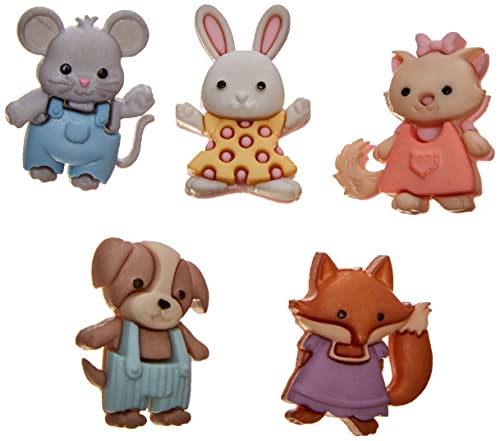
These buttons are designed with whimsy in mind, making them the perfect finishing touch for a child’s sweater or a gift-knit cardigan. They often come in fun shapes and vibrant colors that make the act of buttoning up a garment more engaging for a toddler.
When choosing buttons for children, safety is the primary concern. Always ensure the buttons are sewn on with extra-strength thread and check them regularly for looseness, as they can pose a choking hazard if they detach.
While they are undeniably cute, they are often made of lighter-weight plastic. They are not intended for heavy-duty use, so save these for lighter cardigans rather than outdoor winter jackets.
Creative Impressions Leather: Best for Outerwear

Leather buttons offer a unique, soft texture that adds a cozy, heritage aesthetic to your finished knit. They are particularly effective on garments knit in rustic, woolen-spun yarns, as they complement the organic nature of the fiber.
Because they are soft, they won’t scratch or damage the surrounding stitches, which is a common complaint with metal hardware. Over time, leather buttons will soften and darken, creating a beautiful, lived-in look that pairs perfectly with a well-loved sweater.
Avoid washing these in a machine, as leather can stiffen or bleed color when exposed to excessive moisture. They are best suited for garments that require infrequent cleaning or are spot-cleaned by hand.
Factors to Consider When Selecting Garment Buttons
- Weight and Scale: A button should never be so heavy that it pulls the button band into a "V" shape.
- Buttonhole Size: Always knit your buttonholes to fit the button, not the other way around; a button should pass through with a gentle push, not a struggle.
- Material Compatibility: Match the "vibe" of your fiber—rustic wools love wood and leather, while fine silks prefer pearl or high-quality resin.
- Care Instructions: If your garment is superwash wool, ensure your buttons can handle the same laundry conditions.
How to Properly Sew Buttons for Lasting Durability
Never sew a button directly against the fabric; use a toothpick or a darning needle as a spacer to create a "thread shank." This space allows the fabric of the buttonhole to sit comfortably behind the button without puckering the band.
Use a high-quality, waxed polyester thread rather than the yarn you used to knit the sweater. Knitting yarn often lacks the tensile strength to hold a heavy button in place over months of repeated use.
Finally, always knot your thread on the inside of the garment and weave the ends in securely. A loose thread is the fastest way to lose a button in the middle of a busy day.
Choosing Between Shank and Flat Buttons for Knits
Flat buttons are best for thin, lightweight knits where the buttonhole is small and the fabric has little thickness. They sit flush against the surface, creating a seamless, minimalist look that is ideal for fine-gauge sweaters.
Shank buttons are essential for any garment with a thick or textured button band, such as those featuring cables or brioche stitch. The shank provides the necessary height for the fabric to sit underneath the button without being crushed or distorted.
If you are unsure, err on the side of a shank button. It is almost always safer to have a little extra clearance than to have a button that sits too tightly against your hard-won stitch work.
Selecting the right button is an art form that balances the practical needs of your garment with your personal style. By considering the weight of your yarn, the intended use of the piece, and the durability of the material, you ensure your knitwear stands the test of time. Don’t rush this final step; the right hardware is the difference between a sweater you wear occasionally and a masterpiece you reach for every single day. Happy knitting, and may your button bands always stay perfectly aligned.