6 Best Ergonomic Winding Cranks For Hand Fatigue
Reduce hand strain with our top 6 ergonomic winding cranks. Discover designs that prioritize comfort, improve grip, and boost efficiency for daily tasks.
Winding yarn by hand can quickly turn a relaxing evening of knitting into an exercise in wrist fatigue and repetitive strain. After two decades at the needles, I have learned that the right tool doesn’t just save time; it preserves your body for years of future projects. Choosing an ergonomic winder is about finding a balance between mechanical efficiency and physical comfort. This guide breaks down the best options to keep your hands pain-free while preparing your stash.
Stanwood Needlecraft Large Metal Ball Winder


This winder is the gold standard for those of us who regularly work with massive, 10-ounce skeins of worsted or bulky weight yarn. Its heavy-duty metal gears provide a smooth, consistent rotation that plastic models simply cannot replicate.
The real advantage here is the torque-to-effort ratio. Because the gears are precision-engineered, you spend less energy fighting the resistance of the yarn, which directly translates to less tension in your forearm and wrist.
If you are a frequent buyer of hand-dyed, large-format skeins, this is a worthwhile investment. Just ensure you have a sturdy tabletop, as the weight of the unit requires a solid foundation to prevent wobbling during high-speed winding.
Knit Picks Yarn Winder: Best Budget Choice
For the knitter who is just starting to build their collection, the Knit Picks winder is an incredibly reliable entry point. It is lightweight, compact, and perfectly capable of handling standard 100-gram hanks of fingering or DK weight yarn.
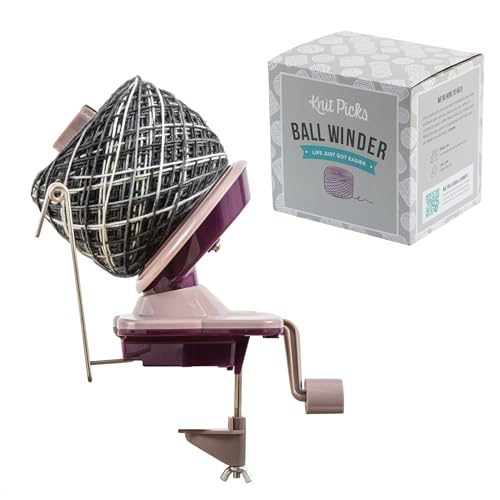
While it lacks the heavy metal components of professional gear, its ergonomic handle design is surprisingly comfortable for short winding sessions. It is the perfect tool for someone who only winds a few hanks a month and doesn’t want to dedicate a permanent space on their craft table.
Keep in mind that this model is best suited for lighter weights. If you try to force a heavy, sticky wool-mohair blend through it at high speeds, the plastic gears may eventually wear down or skip.
Lacis Yarn Ball Winder: Professional Grade
Lacis has built a reputation for tools that last a lifetime, and their ball winder is no exception. This is a workhorse designed for the dedicated maker who processes large volumes of yarn for complex, multi-skein projects like oversized sweaters or blankets.
The standout feature is the fluidity of the winding action. Unlike cheaper models that jerk or stutter, the Lacis winder glides, allowing you to maintain a steady rhythm that doesn’t put uneven pressure on your joints.
It is an expensive piece of equipment, but if you suffer from chronic hand fatigue, the reduction in physical stress is worth the premium. It turns a chore into a seamless part of your project preparation.
Nancy’s Knit Knacks Heavy Duty Ball Winder

Nancy’s Knit Knacks is a brand that understands the physical realities of fiber arts. Their heavy-duty winder is designed specifically to handle the weight and drag of larger skeins without requiring you to grip the handle with excessive force.
The base is exceptionally stable, which is a major factor in ergonomics. When a winder moves around on your table, you subconsciously tense your shoulders and wrists to compensate; this winder stays put, allowing you to relax your upper body while you work.
This is an excellent choice for those who work with high-twist yarns that tend to "jump" off the swift. The design manages the feed rate beautifully, preventing the tangles that often lead to frustrated, repetitive hand motions.
U-nitt Metal Yarn Winder for Large Skeins
The U-nitt metal winder is a powerhouse that bridges the gap between hobbyist tools and industrial equipment. Its metal construction ensures that the internal mechanisms won’t warp or strip over time, even with daily use.
What I appreciate most is the long, ergonomic crank handle. It provides excellent leverage, meaning you don’t have to exert as much force to rotate the spindle. If you are winding a long yardage of lace-weight silk, this makes a significant difference in preventing hand cramping.
Because it is metal, it is naturally heavier and more balanced. It is a fantastic tool for the knitter who wants a "buy it once" solution that won’t need replacing in a few years.
ChiaoGoo Hand-Operated Yarn Winder Review
ChiaoGoo is beloved for their needles, and they have brought that same attention to detail to their yarn winder. It is compact, efficient, and features a very smooth gear system that feels intuitive to operate.
The design is particularly good for those with smaller hands. The handle is positioned at a natural angle that minimizes the "claw" grip often required by cheaper, bulkier winders. It is a refined tool for a refined craft.
While it might not handle the massive, multi-pound cones that the Lacis or Stanwood can, it is perfect for the average knitter’s needs. It strikes a great balance between portability and performance.
Ergonomic Design: Reducing Wrist Strain Daily
Ergonomics in knitting isn’t just about the needles you use; it’s about every motion you make in the craft. When you wind yarn, you are engaging the same small muscles used in knitting, which can lead to cumulative fatigue.
- Handle Shape: Look for handles with a rubberized grip or a contour that fits your palm.
- Gear Smoothness: High-quality gears reduce the "kickback" or vibration that travels up your arm.
- Stability: A winder that clamps securely to the table prevents you from having to use your non-dominant hand to steady the unit.
Always aim for a neutral wrist position. If you find yourself bending your wrist at an awkward angle to reach the crank, adjust your chair height or the position of the winder on your table.
Key Features to Seek in a Manual Yarn Winder
When shopping for a winder, don’t just look at the price tag. Consider the gear ratio and construction material. A higher gear ratio means fewer turns of the handle per rotation of the ball, which saves your wrist over the course of a large project.
Look for a wide, sturdy clamp that can accommodate different table thicknesses. A winder that slips is a winder that causes tension in your shoulders. Also, consider the size of the yarn guide; a wider guide prevents friction that can cause the yarn to snag and jerk the handle.
Ultimately, you want a machine that feels like an extension of your hand. If you have to fight the tool, you are doing yourself a disservice.
How to Maintain Your Winder for Longevity
Even the best ergonomic winder will fail if it isn’t maintained. Regularly check the gears for stray fiber bits or dust, which can cause the mechanism to bind and increase the resistance you feel when winding.
A tiny drop of sewing machine oil on the main spindle and gears can work wonders. Keep the unit covered when not in use to prevent debris from clogging the delicate internal parts.
Treating your tools with care is a form of self-care. A well-maintained winder operates with minimal friction, which keeps your hands and wrists happy project after project.
Tips for Winding Cakes Without Fiber Damage
Not all yarns should be wound into tight cakes. High-elasticity fibers, like pure wool or bouncy superwash blends, can lose their "memory" if wound too tightly for an extended period.
- Wind loosely: If you aren’t using the yarn immediately, wind it with a lighter touch to avoid stretching the fibers.
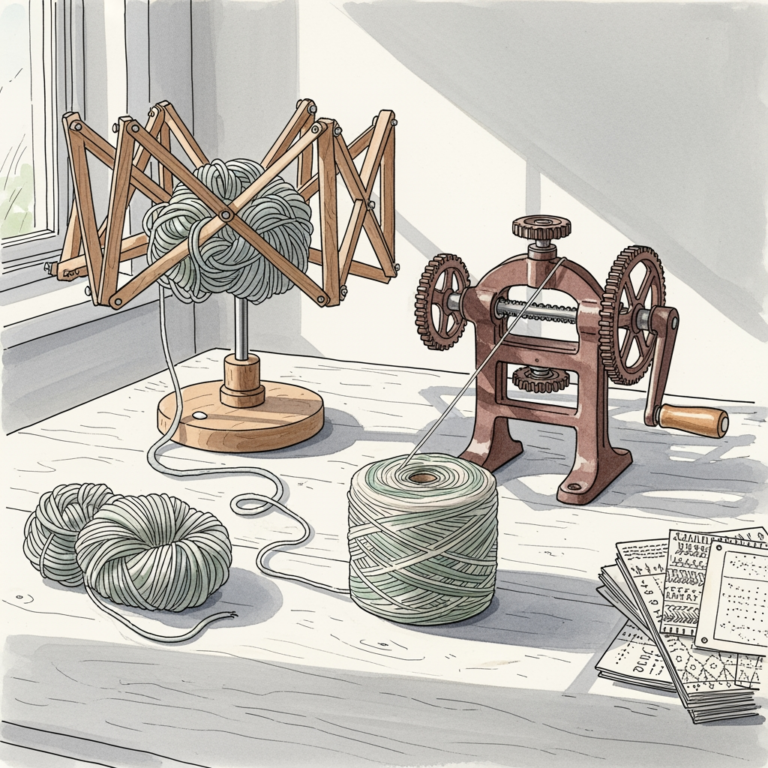
- Use a swift: Always use a yarn swift to feed the winder; pulling yarn from a pile creates uneven tension that can damage delicate plies.
- Check the tension: Periodically stop and feel the cake. It should be firm but have a slight "give" when pressed.
By winding with intention, you ensure the yarn remains in its best possible state. Your finished fabric will thank you for it by maintaining its drape and stitch definition.
Investing in a quality yarn winder is one of the smartest decisions you can make for your long-term knitting health. By choosing a tool that respects your body’s mechanics, you turn the prep work into a calm, rhythmic ritual. Take the time to find the model that suits your specific project needs and physical comfort. Happy winding, and may your yarn always flow smoothly from the swift to the cake.