6 Best Sewing Kits For Attaching Buttons For Repairs
Repairing loose buttons is simple with the right tools. We review six top-rated sewing kits that offer durability and convenience for quick, effective fixes.
Few things are more frustrating than finishing a hand-knit cardigan only to have a button pop off after the first wear. Whether you are working with delicate lace-weight wool or a heavy, rustic fisherman’s sweater, a reliable sewing kit is just as vital as your favorite set of needles. These six kits offer the essential tools to ensure your hard work stays functional and secure. Here is how to choose the right kit to keep your projects in perfect condition.
Singer ProSeries Sewing Kit: Best All-Rounder


The Singer ProSeries kit is a staple for a reason; it provides a comprehensive array of needles and threads that cover most standard knitting weights. When you’ve spent forty hours on a project, you don’t want to rely on a flimsy, disposable needle that might snap or snag your yarn.
This kit excels because it includes a variety of needle sizes, which is crucial when you are switching between fine fingering-weight cardigans and bulkier worsted-weight coats. The quality of the included shears is a step above most "emergency" kits, allowing for clean cuts on delicate fibers like mohair or silk blends.
The tradeoff here is size; it is a bit bulky to toss into your project bag for a commute. However, if you keep this at your primary knitting station, you will rarely find yourself without the right tool for a quick reinforcement stitch.
Dritz Home Repair Kit: Best for Quick Fixes

If you are the type of knitter who keeps a kit tucked away in a desk drawer or a glove box, the Dritz Home Repair kit is your best friend. It is streamlined, focusing on the basics without the clutter of unnecessary notions.
This kit is perfect for those "oops" moments, like when you notice a loose button right before heading out the door. The needles are sturdy enough to handle the thickness of a folded button band, which is often where knitters struggle the most when trying to reattach a button.
Keep in mind that the thread included is standard polyester, which is excellent for durability but might look slightly shiny against a matte wool garment. For a seamless look, you might eventually want to swap in a length of your leftover project yarn.
Coquimbo Portable Kit: Best for Travel Needs

Traveling with your knitting is a joy, but it also increases the risk of snagging or losing a button in transit. The Coquimbo kit is incredibly compact, fitting easily into the side pocket of a project bag without adding significant weight.
Despite its small footprint, it contains enough variety to handle minor repairs on the go. It is particularly useful for attending knitting retreats or workshops where you might need to make a quick adjustment to a garment you are currently blocking or finishing.
The downside is that the internal organizers can be a bit tight, making it slightly fiddly to remove specific items with cold, tired hands. It’s a specialized tool for travel, not for your heavy-duty workshop repairs.
Sew Simply Sewing Kit: Best for Beginners
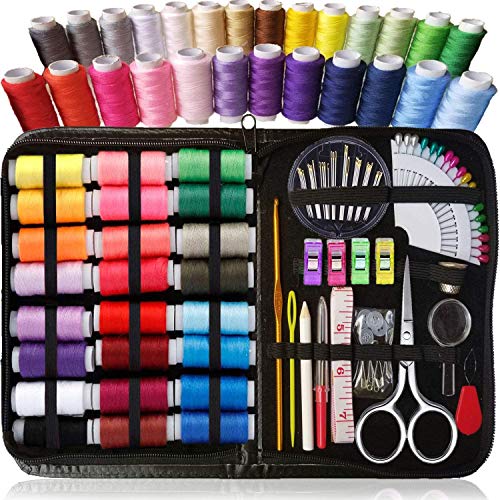
When you are first learning to finish your garments, the sheer volume of sewing notions can be overwhelming. The Sew Simply kit simplifies the process by providing clear, accessible tools that aren’t overly technical or intimidating.
For a beginner, the most important feature is the needle threader, which is included here and works reliably. If you struggle with eye-strain or have difficulty maneuvering thread through a needle, this kit removes those barriers so you can focus on the actual stitching.
The thread selection is moderate, but it is a great starting point to learn how different weights interact with your fabric. Once you gain confidence, you can supplement this kit with higher-quality sewing threads that better match your specific yarn fibers.
Artika Sewing Kit: Best for Color Variety
Matching your thread to your yarn is the secret to a professional-looking repair. The Artika kit stands out because it offers a wide spectrum of colors, which is a lifesaver when you are working with variegated hand-dyed yarns.
If you are working with a complex color-work sweater, having a thread that perfectly blends into the background makes the button attachment invisible. It saves you from having to buy multiple spools of thread just to match one specific project.
The tradeoff is that with so many colors, the individual spools are smaller. While you won’t be using this to sew an entire garment, it is perfectly sized for button repairs that only require a few inches of thread.
Fulco Sewing Kit: Best for Heavy Duty Use
When you are working with heavy-duty wools or thick, structured jackets, standard sewing kits often feel too fragile. The Fulco kit offers a more robust set of tools that can withstand the tension required to secure buttons on dense, heavy-gauge fabrics.
The needles in this kit are thicker and have a sturdier eye, which is essential when using a doubled-up thread for extra security. If you have ever bent a needle trying to push it through a thick button band, you will appreciate the durability here.
While this kit is excellent for heavy garments, it might be overkill for delicate lace or baby knits. Use this for your "workhorse" sweaters that see a lot of daily wear and tear.
Essential Notions to Keep in Your Sewing Box
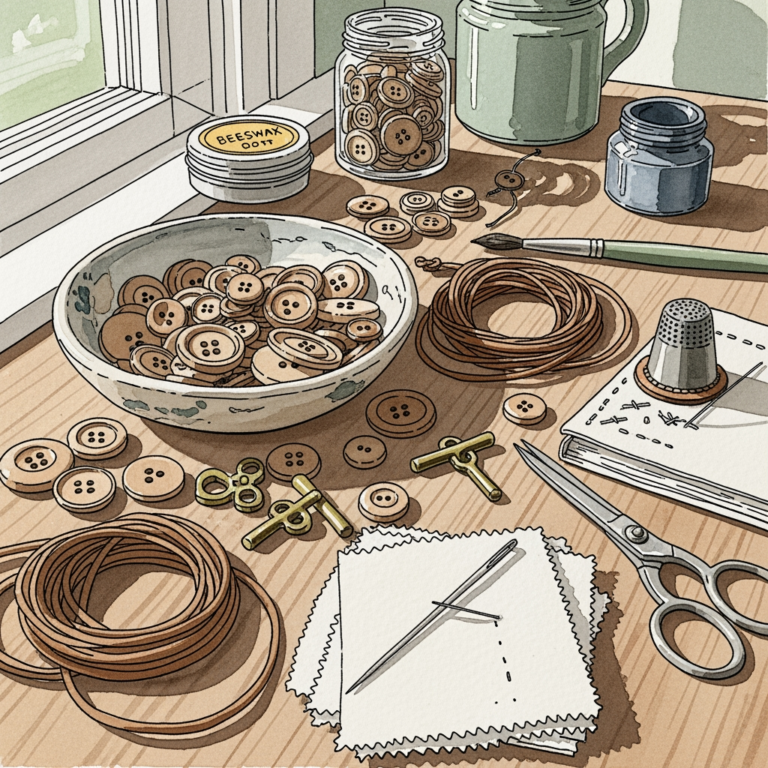
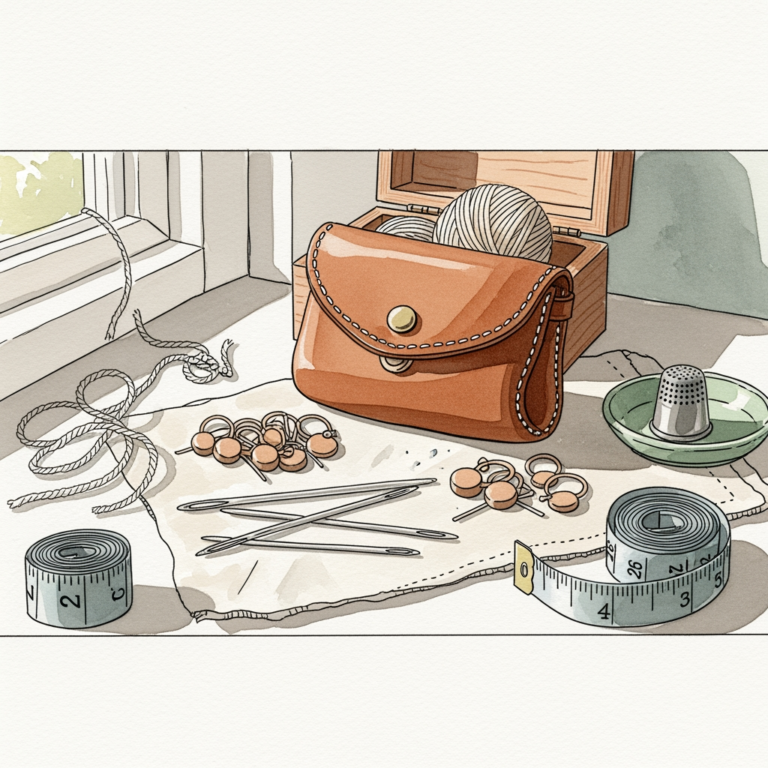
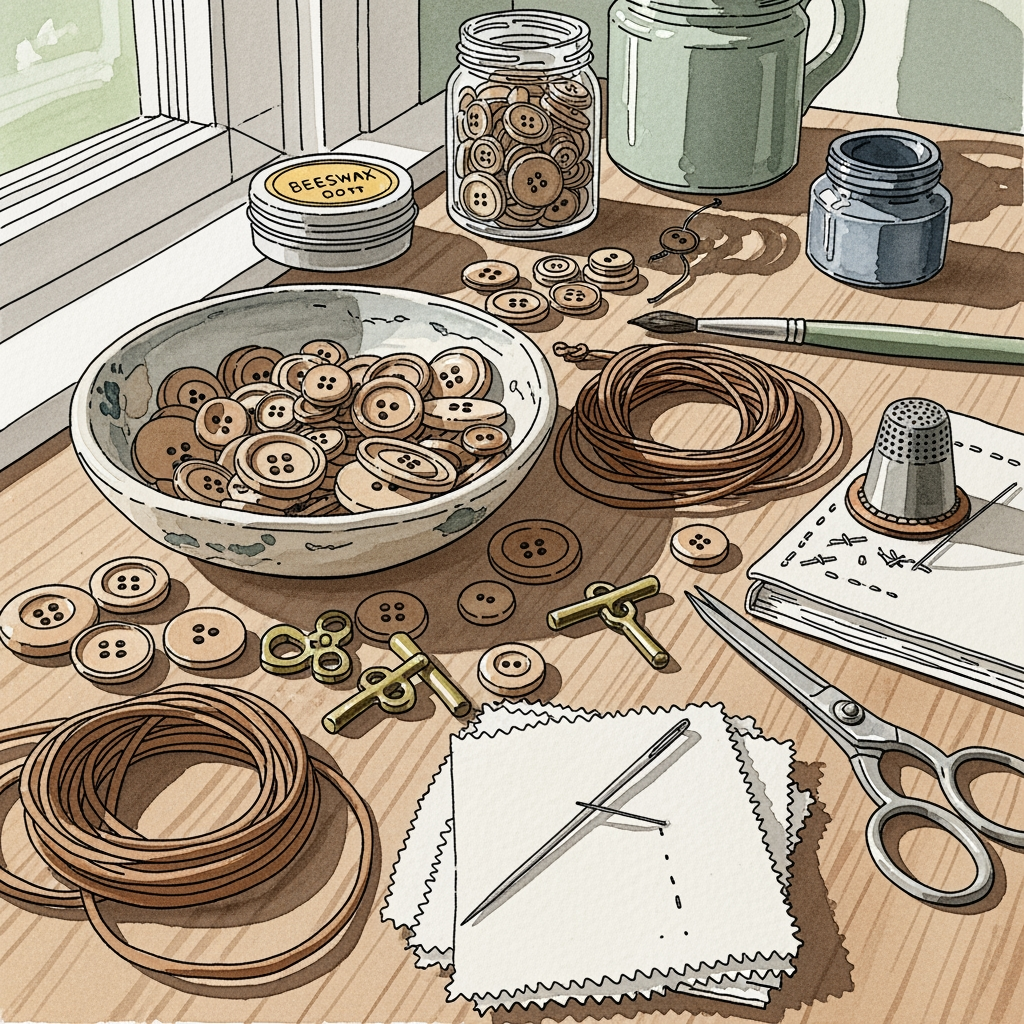
Beyond the kit itself, there are a few items every knitter should have on hand to make button repairs easier. A thimble is non-negotiable when working with thick wool, as it protects your finger while pushing the needle through dense fabric.
You should also keep a small pair of embroidery scissors with a sharp point for snipping threads close to the work without damaging the surrounding stitches. Finally, consider adding a few locking stitch markers to hold the button in place while you sew, ensuring it doesn’t shift while you work.
- Beeswax: Run your thread through this to prevent tangling and increase strength.
- Needle Threader: A must-have for low-light conditions.
- Small Measuring Tape: Essential for ensuring your buttons are perfectly spaced.
How to Choose the Right Thread for Your Buttons
The golden rule of button repair is to match your thread to the weight and fiber of your garment. For most wool sweaters, a high-quality, long-staple polyester thread is ideal because it provides the strength needed to hold a button securely through repeated use.
If you are working with a delicate fiber like cashmere or silk, look for a fine cotton or silk thread. These fibers are less abrasive and will not cut into the delicate yarn of your button band over time.
Avoid using your project yarn to sew on buttons unless it is a very thin, high-twist fingering weight. Thick yarn creates too much bulk behind the button, which can cause the button band to pucker and look messy.
Expert Tips for Securing Buttons to Knitwear
To ensure your buttons stay put, always create a "thread shank." Instead of sewing the button flush against the fabric, place a toothpick or a tapestry needle between the button and the fabric while you sew.
Once you have wrapped the thread around the stitches beneath the button several times, remove the spacer. This creates a small gap that allows the button to sit comfortably on top of the buttonhole band without straining the fabric.
When finishing, always tie your knots on the inside of the garment and weave the ends into the back of the button band. This prevents the button from unraveling if the knot happens to loosen over time.
Frequently Asked Questions About Button Repair
Should I use a double or single strand of thread? Always use a double strand for extra security, especially on heavy sweaters. Make sure to knot the ends together firmly before you begin.
How do I prevent the button from pulling through the knit? Use a small, flat button on the back of the fabric (a "stay" button) to distribute the tension. This is a lifesaver for heavy coats or garments that see significant stress.
What if my buttonhole is stretched out? Before sewing the button, you can use a bit of matching yarn to "duplicate stitch" around the buttonhole to tighten the opening. This restores the structure and prevents the button from slipping out.
Repairing a button is a small act of maintenance that significantly extends the lifespan of your hand-knit garments. By choosing the right kit and using a few professional techniques like thread shanks and stay buttons, you ensure your work remains beautiful for years to come. Don’t be afraid to experiment with different threads until you find the perfect match for your fiber. With the right tools in your sewing box, every repair becomes a simple, satisfying task.