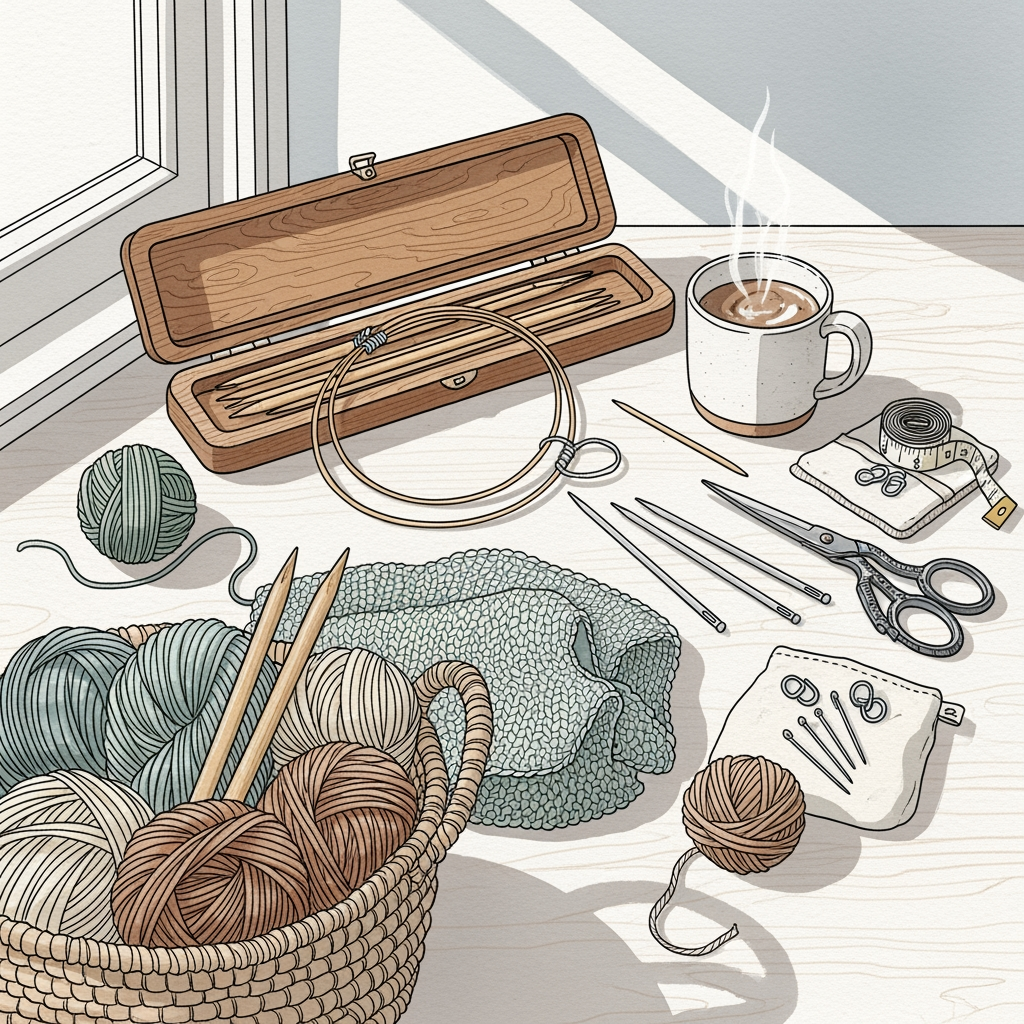
6 Best Plastic Needles For Beginners To Try
Mastering knitting starts with the right tools. Explore our top six plastic needles for beginners, chosen for their smooth grip, durability, and ease of use.
Starting your knitting journey is an exciting pursuit, but the vast array of needle materials can feel overwhelming to a newcomer. While many seasoned knitters eventually gravitate toward premium wood or metal, plastic needles offer a forgiving and accessible entry point for those just learning to control their tension. These tools provide a unique balance of drag and slip that helps stabilize your stitches while you master the basic knit and purl movements. Finding the right pair can make the difference between a frustrating first session and a hobby you love for a lifetime.
Clover Takumi Bamboo Needles: Best For Beginners


Clover Takumi needles are widely celebrated for their consistent, smooth finish that isn’t overly slick. While technically a bamboo-based product, their specialized manufacturing process creates a surface texture that mimics the stability of high-quality plastic.
For a beginner, the primary challenge is keeping stitches from sliding off the needle tips before the stitch is secured. These needles provide just enough "grab" to slow down the yarn, giving you the extra fraction of a second needed to adjust your grip or fix a dropped stitch.
If you are just learning to hold your needles and yarn, the lightweight nature of these tools reduces hand fatigue during long practice sessions. My advice is to start here if you find yourself feeling clumsy with slippery, polished materials.
Susan Bates Silvalume Needles: Best For Precision

Susan Bates needles are legendary for their signature "inline" head design, which sets them apart from the tapered style of most other brands. This unique shape helps you maintain a consistent stitch size, as the yarn must pass over the head to form the loop.
This precision is invaluable when you are first learning to read your knitting. Because the head acts as a guide, you are less likely to accidentally split your yarn or create uneven loops as you move through your rows.
However, the aluminum-plastic hybrid construction is smoother than wood, meaning your stitches will travel faster. Choose these if you feel ready to move beyond the "grippiness" of bamboo and want to start developing a more rhythmic, fluid knitting style.
Boye Needles: Best Budget Option For New Knitters

Boye needles are the quintessential "starter set" found in almost every local craft aisle. They are incredibly affordable, making them the perfect choice if you want to experiment with different sizes without investing heavily in your kit.
The plastic used in these needles is sturdy and durable, capable of withstanding the inevitable tension mistakes that happen when you are learning. You won’t have to worry about bending or snapping them as you find your "knitting legs."
While they may not offer the refined finish of luxury brands, they get the job done reliably. If you are on a tight budget, pick up a pair of these to practice your cast-on and bind-off techniques before deciding on a more permanent toolset.
Knitter’s Pride Basix Needles: Smooth Plastic

Knitter’s Pride Basix needles are designed for knitters who want a smooth, effortless glide without the cold, clinical feel of metal. The plastic used here is polished to a high sheen, allowing the yarn to slide off the needle with minimal resistance.
This is a fantastic option if you are working with slightly "sticky" fibers like wool or mohair that might otherwise snag on rougher materials. The smooth surface helps you maintain your momentum as you gain confidence in your speed.
Keep in mind that because these are so slick, your stitches may fall off if you aren’t careful. I recommend these for the beginner who has already mastered the basics and is looking for a needle that won’t fight against their growing speed.
Addi Plastic Circular Needles: Best For Comfort

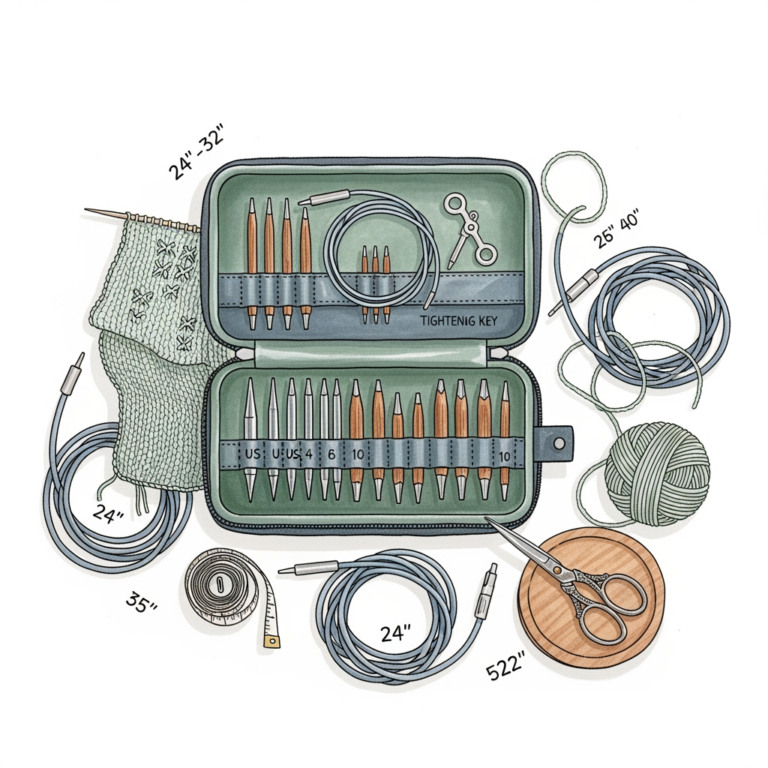
Addi is world-renowned for its high-quality join between the needle tip and the cord. When you use circular needles, the transition where the plastic meets the cable is often a point of frustration, but Addi’s design is seamless.
For a beginner, a snag-free join is essential. If your yarn constantly catches where the needle meets the cord, you will become frustrated and lose your rhythm, which can lead to uneven tension.
These needles are an investment, but they provide a level of comfort that prevents the "cramping" common in new knitters. If you plan on knitting circular projects like hats or cowls, starting with a high-quality cord will make the process feel much more professional.
Pony Plastic Needles: Great For Learning Basic

Pony plastic needles are lightweight and come in vibrant colors, which can actually help you organize your projects by size. For a beginner, having a color-coded system makes it much easier to keep track of which needle you are using for which yarn weight.
The plastic is flexible, which some knitters find more comfortable than rigid metal or wood. This slight "give" can feel more ergonomic in your hands, especially if you are prone to gripping your needles too tightly.
They are a fantastic, no-nonsense tool for learning the fundamentals of stitch structure. Don’t overthink your first purchase; if you have a pair of Pony needles in your hand and some yarn, you have everything you need to start.
Why Plastic Needles Are Ideal For New Knitters
Plastic needles occupy the "Goldilocks" zone of the knitting world. They are not as slippery as polished metal, nor as grippy as raw wood, making them the perfect middle ground for learning.
When you are a beginner, your tension is naturally inconsistent. You might pull one stitch too tight and the next too loose; plastic needles provide a surface that allows you to nudge those stitches into place without them sliding away entirely.
Furthermore, plastic needles are incredibly durable and inexpensive. You are likely to drop, sit on, or misplace your first few pairs, and plastic is a material that can handle that kind of wear and tear without losing its shape.
Comparing Plastic Against Wood And Metal Needles
The choice between materials often comes down to the friction coefficient of the yarn you are using. Wood needles have a natural texture that "grabs" the fiber, which is excellent for slippery yarns like silk or bamboo blends.
Metal needles are the fastest, offering a slick surface that allows stitches to fly off the tip. However, they can be cold to the touch and quite loud, which some find distracting during long sessions.
Plastic sits right in the middle, offering a balanced experience. If you find your yarn is sliding off your metal needles too fast, switch to plastic. If your bamboo needles feel like they are dragging, plastic will give you that extra bit of speed you crave.
How To Select The Right Needle Size For Your Yarn
The size of your needle should be dictated by the weight of your yarn, which is usually listed on the ball band as a number or symbol. A good rule of thumb is to start with a medium-weight yarn (often labeled "Worsted") and a 5.0mm (US 8) needle.
If your knitting looks like a loose, holey mesh, your needles are likely too large for the yarn. Conversely, if the fabric is stiff, dense, and difficult to knit, your needles are likely too small.
Remember that your personal tension plays a huge role. If you are a "tight" knitter, you may need to go up one needle size to achieve the recommended gauge, while a "loose" knitter might need to go down.
Essential Tips For Maintaining Your First Needles
Even though plastic needles are durable, they can develop burrs or scratches over time. If you notice your yarn catching on the tip, you can gently buff the area with a very fine-grit emery board to restore the smoothness.
Store your needles in a case or a dedicated roll rather than loose in a bag. Plastic can warp if left in a hot car or under heavy items, so keep them in a cool, dry place to ensure they stay straight for your next project.
Finally, don’t be afraid to mix and match brands as you learn your preferences. Your "favorite" needle will change as your skills evolve, and that is a normal, healthy part of your development as a maker.
Choosing your first pair of needles is a personal milestone that marks the beginning of your creative journey. Whether you prefer the precision of Susan Bates or the comfort of Addi, the most important thing is simply getting started. Remember that no needle is a magic wand, but the right tool will certainly make your practice more enjoyable. Happy knitting, and may your tension be even and your yarn never tangle.