6 Best Adhesive Backing Sheets For Custom Patches
Discover the top 6 adhesive backing sheets for custom patches. This guide compares durability, heat-activation, and ease of use to ensure a perfect finish.
Adding a custom patch to a hand-knit garment can elevate a simple project into a signature piece of wearable art. Whether you are reinforcing a worn elbow or adding flair to a plain stockinette sweater, the right adhesive backing ensures your hard work stays put. Choosing the wrong adhesive, however, can lead to stiff fabric or patches that peel after a single wash. This guide breaks down the best options to help you achieve a professional finish that respects the drape and integrity of your yarn.
Thermoweb HeatnBond Ultrahold: Best Overall Choice
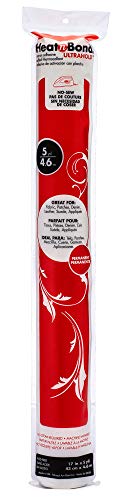

When you need a patch to stay put through heavy wear, this is the gold standard for most fiber artists. It creates a no-sew bond that is remarkably strong, making it ideal for patches on denim jackets or heavy-weight wool coats.
Because it is an "ultra-hold" product, it creates a very stiff barrier. I recommend using this only on sturdy, non-delicate fabrics, as it will significantly restrict the natural stretch and drape of your knitting.
If you are applying a patch to a dense, felted bag or a heavy-gauge wool sweater, this is your go-to. Just be mindful that once it’s set, it’s permanent; there is very little room for error during the initial iron-on process.
Pellon 725 Heavy Duty EZ-Steam II Adhesive Sheet

This product is a favorite among crafters who appreciate a double-sided, pressure-sensitive adhesive that can be repositioned before the final heat set. It’s incredibly forgiving, which is a blessing when you are trying to center a patch on a complex cable pattern.
The "EZ-Steam" feature allows you to stick the patch in place temporarily to check your placement. You can adjust the angle or alignment before applying the iron, which prevents the frustration of crooked patches on expensive hand-knits.
It holds up well to regular laundering, but I suggest using it on garments that don’t require extreme flexibility. It’s a reliable middle-ground for projects where you want a strong hold without the extreme rigidity of industrial-grade adhesives.
Dritz Peel-and-Stick Permanent Adhesive Sheets

Sometimes you want to avoid the iron entirely, especially when working with heat-sensitive fibers like acrylic or certain delicate synthetics. These sheets provide a quick, permanent bond without the risk of scorching your yarn with a hot iron.
These are best suited for decorative patches that won’t see heavy mechanical stress. If you are adding a patch to a decorative wall hanging or a hat that doesn’t stretch much, these are excellent for a quick, clean application.
However, be aware that these are not as durable as heat-set adhesives. They can lose their grip if the garment is stretched repeatedly or subjected to high-heat drying cycles.
Sulky Sticky Fabri-Solvy for Precision Designs
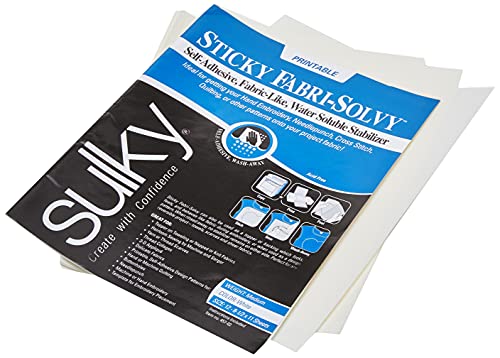
This is a unique tool in the fiber artist’s kit because it is water-soluble. It’s not a permanent adhesive in the traditional sense, but it is an essential stabilizer for embroidery patches that you intend to stitch down later.
If you are designing custom patches from scratch, you can print or draw your pattern directly onto this sheet. It holds your fabric steady while you work, then washes away completely in warm water once your stitching is complete.
It is the perfect solution for those who want the look of a patch but prefer the security of hand-stitching. It keeps your knit fabric from puckering while you work, ensuring a professional, flat result.
Aleene’s Iron-On Adhesive Sheets for Textiles
Aleene’s is a staple in the sewing world, and their iron-on sheets are designed specifically with fabric flexibility in mind. They offer a slightly softer bond than the heavy-duty options, which is much kinder to the drape of your knitwear.
If you are applying a patch to a lightweight merino or alpaca garment, this is a safer choice. It won’t turn your soft, squishy fabric into a rigid piece of cardboard, which is a common complaint with stronger adhesives.
Always perform a swatch test first, especially with luxury fibers. While these are gentler, the heat required to activate them can still alter the texture of delicate, lofty yarns if you aren’t careful.
Bosal In-R-Form Double-Sided Fusible Stabilizer

This product is technically a stabilizer, but it works wonders for those who want their patches to have a bit of structure and "body." It’s a foam-based fusible that adds a professional, padded look to custom patches.
It is particularly useful if you are making your own patches from scrap fabric. It provides a clean edge and prevents the patch from curling, which is a common issue with thinner, unsupported fabrics.
Because it adds thickness, it’s best used on structured items like tote bags or the exterior of knit hats. Avoid using it on areas of a garment that need to conform to the body, as it will not flex with your movement.
How to Choose the Best Backing for Your Project
Selecting the right backing requires looking at both the fiber content of your project and the intended use of the patch. A heavy-duty adhesive is overkill for a delicate silk-blend scarf, while a light, temporary adhesive will fail on a heavy wool coat.
- Consider the fiber: Natural fibers like wool and cotton tolerate heat well, but synthetics can melt.
- Consider the weight: Match the weight of your adhesive to the weight of your yarn.
- Consider the movement: Ask yourself if the garment needs to stretch or drape; if it does, choose a more flexible adhesive.
If you are unsure, always err on the side of a lighter, more flexible product. You can always add a few stitches around the edge for extra security, but you cannot easily remove an adhesive that is too stiff or permanent.
Permanent vs. Temporary: Selecting Your Adhesive
The distinction between permanent and temporary adhesives is often a trade-off between convenience and longevity. Permanent heat-set adhesives are excellent for long-term wear but are difficult to remove or adjust.
Temporary adhesives, like water-soluble stabilizers or peel-and-stick sheets, are perfect for testing placement or for projects that change frequently. They allow you to experiment with design without committing your garment to a permanent modification.
If you are a beginner, I always suggest starting with a temporary or repositionable adhesive. It builds your confidence and allows you to fix mistakes before you commit to a permanent bond that could damage your yarn if removed.
Tips for Applying Adhesive Backing to Knitwear
Applying adhesive to knit fabric is inherently different than applying it to woven fabric because of the inherent stretch and texture of the loops. Always block your garment first to ensure the fabric is in its intended shape before applying the patch.
When ironing, use a press cloth to protect your yarn from direct heat. This prevents the "flattening" of your stitch definition and protects against accidental scorching or singeing of the fibers.
Avoid pulling or stretching the fabric while the adhesive is cooling. Knit fabric is most vulnerable to distortion when it is warm, so let the piece sit completely flat until it is cool to the touch to ensure a permanent, undistorted bond.
Troubleshooting Common Patch Attachment Issues
The most common issue is the patch peeling at the corners, which usually happens because the adhesive wasn’t heated evenly. If you notice a corner lifting, you can often re-activate the adhesive with a small iron or a hair straightener, but be very careful not to overheat the surrounding yarn.
If the patch feels too stiff, you likely chose an adhesive that is too heavy for your yarn weight. Unfortunately, there is no easy fix for this, which is why testing on a swatch is non-negotiable.
If you find that the adhesive is damaging your yarn during removal, heat the area slightly to soften the glue before gently peeling. Always work slowly, and if you encounter resistance, stop and apply more heat to avoid pulling the fibers out of your garment.
Customizing your hand-knits with patches is a rewarding way to extend the life of your garments and showcase your personal style. By carefully matching your adhesive to your fiber type and project needs, you can ensure your hard work remains beautiful for years to come. Remember that a little extra time spent testing on a swatch will always save you from heartache later. Happy crafting, and may your stitches—and your patches—always hold fast.