6 Best Craft Scissors For Clean Yarn Cuts
Discover the top 6 craft scissors for precise yarn cuts. We evaluate sharpness, ergonomics, and durability to help you achieve clean, fray-free fiber edges.
Every knitter knows the frustration of a dull blade fraying a beautiful strand of hand-dyed wool at the final stage of a project. A clean, precise cut is not just about aesthetics; it ensures your ends are secure and your finishing work looks professional. Choosing the right pair of scissors is a foundational step in elevating your craft from "homemade" to heirloom quality. Here are the tools that consistently deliver the sharpest results for your knitting bag.
Gingher 4-Inch Featherweight Embroidery Scissors


These scissors are a classic for a reason, offering a lightweight feel that prevents hand fatigue during long finishing sessions. They feature a double-plated chrome finish that resists rust, which is vital if you live in a humid climate or store your notions near an open window.
The blades are ground to a needle-sharp point, making them perfect for snipping individual plies if you are doing a decorative duplicate stitch. Because they are so light, they don’t pull on your tensioned work when you are trimming ends close to a knot.
However, keep in mind that these are precision tools, not heavy-duty cutters. If you try to snip through bulky, thick roving or multiple strands of acrylic at once, you will quickly dull the fine tips.
Westcott Titanium Bonded Sewing Scissors
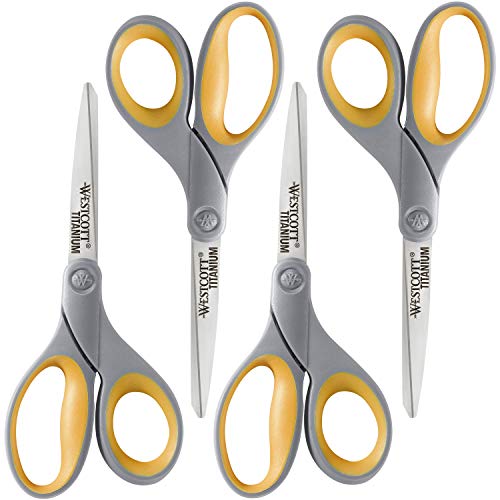
If you are the type of knitter who keeps a "catch-all" bag for travel, you need blades that can withstand some abuse. The titanium bonding on these scissors makes them significantly harder than standard stainless steel, meaning they stay sharp through years of use.
They offer a surprisingly smooth action that feels consistent from the pivot to the tip. This reliability is helpful when you are working with slippery synthetic fibers or superwash wools that tend to slide away from a dull blade.
The tradeoff here is weight and bulk; they aren’t as delicate as embroidery-specific shears. They are better suited for your main project bag than a tiny notions tin, but they will never let you down when you need a quick, clean snip.
Kai 5100 4-Inch Precision Craft Scissors

Kai scissors are legendary in the sewing world, and their 4-inch precision model is a dream for knitters who value ergonomics. The blades are made of high-carbon stainless steel, which allows for a much thinner, sharper edge than typical mass-market scissors.
The action is incredibly fluid, requiring very little pressure to close the blades. If you suffer from joint pain or arthritis, the reduced tension required to make a cut makes these a top-tier choice for your kit.
Because the points are so fine, they are exceptional at getting into tight spots, such as snipping a loose end inside a finished sweater sleeve. Just be careful not to drop them, as the high-carbon steel is brittle and the precision tips can chip on hard surfaces.
Fiskars 5-Inch Micro-Tip Needlework Scissors

Fiskars is a household name, but their Micro-Tip line is a serious tool for the fiber artist. The standout feature here is the extended, ultra-thin blade design that allows for deep reach into intricate lace work.
These are particularly useful when you are performing a "surgical" repair on a dropped stitch or trimming a weave-in end that is buried deep within a complex cable pattern. The plastic handle is comfortable, though it lacks the premium feel of forged steel.
They are an excellent value for the performance they provide. If you tend to lose your scissors in the depths of your couch cushions, these are the reliable, affordable workhorses you want to have on hand.
Havel’s 4.5-Inch Serrated Blade Snips

When you are working with slippery mohair or silk blends, standard blades often cause the yarn to "push" forward rather than cut. Havel’s serrated blades solve this by gripping the fiber in place while the cutting edge does its work.
The serration acts like tiny teeth, locking the yarn between the blades so you don’t get that annoying fraying effect. This is the difference between a clean, one-snip cut and a jagged, fuzzy end that is difficult to weave in later.
These are not the best for trimming paper or other materials, as the serrations can catch and tear. Keep these exclusively for your yarn, and they will remain a specialized, high-performance asset in your finishing toolkit.
Merchant & Mills Traditional Embroidery Snips
There is a tactile joy in using traditional, forged-steel tools that feel like they have a history. These snips are simple, elegant, and incredibly sharp, providing a satisfying "snick" sound that every knitter recognizes as the sign of a good tool.
They are essentially a single piece of steel, meaning there are no screws to loosen or hinges to gum up with lint. They are compact enough to fit into the smallest notions pouches, making them the ultimate companion for knitting on the go.
Because they are made of carbon steel, they do require a tiny bit of maintenance to prevent oxidation. A quick wipe with an oily cloth every few months will keep them working perfectly for a lifetime.
Anatomy of a Perfect Yarn Cut: Blade Geometry
The secret to a perfect yarn cut lies in the "ride" of the blades—the way they pass each other as they close. If the blades are too loose, the yarn will simply bend between them; if they are too tight, they will bind and chew the fiber.
The angle of the grind also matters immensely. A steeper, more acute grind produces a sharper edge, but it is also more fragile and susceptible to rolling if it hits a stray sewing pin or needle.
- Flat grind: Durable, good for general purpose.
- Hollow grind: Extremely sharp, perfect for fine lace weight.
- Serrated: Essential for high-twist or slick synthetic fibers.
Why Serrated Blades Are Essential for Slippery Fibers
Knitting with silk, bamboo, or high-twist superwash wool presents a unique challenge: these fibers are naturally slick and resist being held by smooth blades. When you try to cut them with standard scissors, the yarn often slides toward the tips, resulting in a mangled, frayed end.
Serrated blades provide the necessary friction to hold the yarn in place during the cut. This ensures that the fiber is sliced cleanly across its diameter rather than being crushed or pushed aside.
If you find yourself struggling to get a clean end on your mohair or alpaca projects, don’t blame your technique. Switch to a serrated blade and notice how the fiber stays perfectly still while you make the cut.
Maintaining Your Scissors for Long-Term Sharpness
Your scissors are the most important tools in your kit, yet they are often the most neglected. Never use your yarn scissors to cut paper, plastic, or tape, as these materials contain adhesives and abrasives that will dull your blades in a single use.
Periodically, you should clean the blades with a soft cloth and a drop of sewing machine oil to remove accumulated lanolin or fiber dust. If your scissors have a pivot screw, ensure it stays tight enough to maintain the "ride" but not so tight that the blades become difficult to operate.
If your scissors do become dull, seek out a professional sharpener who specializes in sewing shears. Avoid DIY sharpening stones unless you have experience, as you can easily ruin the delicate geometry of the blade edge.
Essential Tool Kits: Beyond Just Basic Scissors
A well-rounded notions kit is the hallmark of an experienced knitter who values their time and their materials. While a pair of high-quality scissors is the heart of the kit, you should also include a few other essentials to ensure your finishing work is seamless.
Consider adding a set of bent-tip tapestry needles for weaving in ends, as they make it much easier to pick up loops on the wrong side of your work. A small, retractable tape measure and a crochet hook for dropped stitch repair will save you from common mid-project headaches.
- Tapestry needles: Bent tips are better for weaving.
- Crochet hook: Essential for picking up dropped stitches.
- Stitch markers: Keep a variety of sizes for different needle gauges.
- Notions tin: A dedicated home keeps your tools from getting lost.
Investing in quality scissors is a small price to pay for the satisfaction of a clean, professional finish on every project. Whether you prefer the tactile weight of forged steel or the modern precision of titanium-bonded blades, the right tool will make your knitting experience significantly more enjoyable. Take care of your blades, and they will faithfully serve you through every cast-on and bind-off for years to come. Happy knitting!