6 Best Needle Cleaners For Removing Debris Reviewed
Keep your vinyl sounding crisp. We review the 6 best needle cleaners to safely remove debris, ensuring optimal audio fidelity and longevity for your stylus.
Whether you are working with vintage nickel-plated needles or modern carbon fiber, your tools inevitably accumulate skin oils, dust, and yarn fibers. A clean needle ensures your stitches glide effortlessly, preventing the frustration of snagging during complex cable work or lace projects. Neglecting your needles can lead to uneven tension and even damage to delicate fibers like mohair or silk. This guide explores the best ways to maintain your collection so your tools remain as smooth as the day you bought them.


1. Goddard’s Silver Polish for Metal Needle Care

Metal needles, especially older brass or silver-plated sets, can develop a dull patina that creates unwanted friction against your yarn. Goddard’s Silver Polish is a classic choice for restoring that essential "slick" surface that speed-knitters crave.
When using this on your needles, apply a tiny amount to a soft cloth rather than directly to the tool. Gently buff the surface to remove oxidation, then wipe thoroughly with a clean, damp cloth to ensure no chemical residue remains.
Be cautious: this is strictly for solid metal needles. Avoid using it on coated needles, as the abrasive nature of the polish can strip away specialized finishes, leaving them prone to rust or uneven dragging.
2. Eucalan Delicate Wash for Bamboo and Wood Tools
Bamboo and wood needles are porous, meaning they absorb moisture and oils over time, which can eventually cause them to warp or lose their finish. Eucalan is an excellent, gentle cleaner because it is pH-neutral and requires no rinsing.
To clean your wooden needles, mix a drop of Eucalan in warm water and dampen a soft cloth. Gently wipe the needles down, being careful not to soak them, as excess water will raise the wood grain and make your needles feel "fuzzy" and abrasive.
After wiping, let them air dry completely before putting them back in your needle case. This process not only removes dirt but also conditions the wood, keeping it supple and preventing the brittle cracking that often plagues older wooden needles.
3. Alcohol-Free Lens Wipes for Quick Surface Prep

If you find your needles feeling sticky mid-project, alcohol-free lens wipes are the ultimate "knitting bag" essential. They are designed to lift oils and dust without damaging delicate optical coatings, making them safe for almost all needle materials.
Avoid standard household disinfecting wipes, which often contain harsh chemicals or fragrances that can leave a tacky residue. Lens wipes evaporate quickly, leaving a clean, neutral surface that won’t react with the protein fibers of your wool or the cellulose of your cotton yarns.
Keep a few packets in your project bag for those moments when your hands feel a bit sweaty during a summer knit. A quick wipe-down can instantly restore the glide you need to maintain consistent tension.
4. Microfiber Polishing Cloths for Residue Removal

Sometimes you don’t need a chemical cleaner; you just need to lift the "gunk" that builds up where your fingers rest. A high-quality, lint-free microfiber cloth is the safest tool for daily maintenance.
These cloths are particularly effective at picking up the tiny, microscopic fibers that shed from fuzzy yarns like alpaca or angora. If you knit with these fibers, you will notice a "haze" building up on your needles; a firm wipe with microfiber will clear it right off.
For the best results, fold the cloth over the needle and pull it through in a firm, steady motion. This creates enough friction to dislodge buildup without applying the kind of pressure that might bend a thinner needle tip.
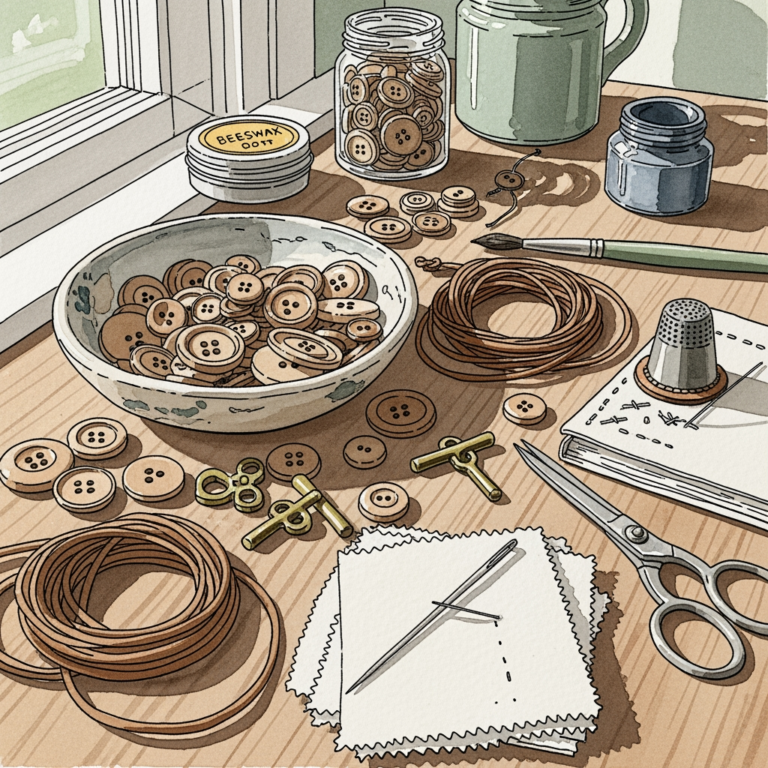
5. Bee’s Wax Blocks for Smoothing Wooden Needles
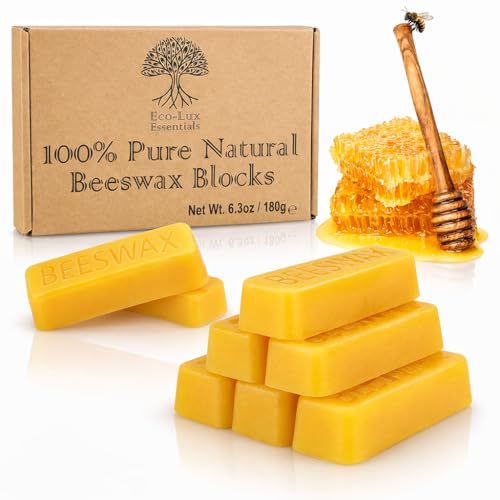
Wooden needles can occasionally feel "grabby," especially if they have been stored in a dry environment for too long. A small block of pure bee’s wax acts as both a cleaner and a restorative conditioner.
Rub the needle lightly with the wax, then buff it vigorously with a soft cloth until the wax is fully absorbed into the wood. This fills in tiny surface scratches and provides a smooth, protective layer that helps yarn slide over the needle shaft.
Use this sparingly, as too much wax can build up and attract more dust. A light touch once or twice a year is usually enough to keep your wooden needles performing at their peak.
6. Silicone-Free Furniture Polish for Resin Tips

Modern resin or acrylic needles can sometimes develop a static charge or a slight surface tackiness. A silicone-free furniture polish can help neutralize this, but you must ensure it is truly silicone-free to avoid creating a slippery, greasy mess.
Apply the polish to a cloth, not the needle, and wipe the shaft thoroughly. This acts as a barrier against skin oils and helps prevent the "squeak" that sometimes occurs when knitting with synthetic yarns on plastic needles.
Always test this on a small, inconspicuous area first. Some cheaper resins may react poorly to chemicals, so stick to high-quality, mild polishes intended for fine wood finishes.
7. Why Keeping Your Knitting Needles Clean Matters
Clean needles are the secret to maintaining consistent gauge throughout a large project. When needles are coated in oil and debris, they create drag, which can lead you to subconsciously adjust your tension, resulting in "rowing out" or uneven stitches.
Beyond gauge, clean needles protect your yarn. A sharp, clean tip is less likely to split a multi-ply yarn, ensuring that your stitch definition remains crisp and professional.
Think of your needles as an extension of your hands. Just as you wouldn’t want to work with dirty hands, keeping your tools clean ensures that the integrity of your yarn is preserved from the first cast-on to the final bind-off.
8. How to Remove Stubborn Yarn Residue and Gunk
If you have a stubborn patch of dried residue, perhaps from a sticky yarn or a spill, resist the urge to scrape it with a metal tool. Instead, use a soft-bristled toothbrush to gently work the area with a bit of mild soap and water.
For metal needles, a pencil eraser can often lift off stubborn, dried-on gunk without damaging the metal finish. Rub the eraser against the residue until it lifts, then wipe the needle clean with a microfiber cloth.
If the gunk is truly stuck, patience is your best friend. Repeated, gentle cleaning is always better than aggressive scrubbing, which can permanently mar the surface of your needle and cause it to catch on every stitch thereafter.
9. Best Practices for Storing Your Needle Collection
Storage is the final step in needle maintenance. Always store your needles in a clean, dry case that prevents them from rubbing against each other. Friction between needles can cause micro-scratches that attract dirt later on.
If you live in a humid climate, consider placing a small silica gel packet in your needle case to prevent oxidation on metal needles and warping in wooden ones. This simple addition can extend the life of your tools by years.
Keep your needles organized by size and material. When you know exactly where your tools are, you are much more likely to take the extra ten seconds to wipe them down before putting them away, creating a healthy habit of care.
10. Frequently Asked Questions About Needle Care
How often should I clean my needles? If you notice your yarn dragging or your needles feeling sticky, it is time for a cleaning. Otherwise, a quick wipe-down after finishing a large project is a great habit.
Can I use rubbing alcohol? Avoid it on most needles. While it works on stainless steel, it can dry out wood, strip finishes from coated metal, and potentially cloud certain types of plastic or resin.
What if my needles are rusty? If you see actual rust, the structural integrity of the needle is likely compromised. It is usually best to replace them, as rust will continue to spread and can stain your precious hand-dyed yarns.
Taking care of your knitting needles is a simple act of respect for your craft and your materials. By keeping your tools clean and well-maintained, you ensure that every stitch you knit is smooth, consistent, and beautiful. Treat your needles well, and they will provide you with years of trouble-free, meditative knitting. Happy making, and may your yarn always glide with ease.