6 Best Needle Retainers For Machine Longevity
Extend your machine’s lifespan with our top six needle retainers. Discover how these essential components prevent wear and improve precision for every project.
Every machine knitter knows that distinct, rhythmic clack of needles sliding into position, a sound that relies entirely on the hidden pressure of the sponge bar. Without a firm, resilient retainer, your needles lose their precise alignment, leading to dropped stitches and uneven tension that can ruin a delicate lace project. Investing in a high-quality retainer is the single most effective way to protect your machine’s needle bed from unnecessary friction and wear. These six options represent the gold standard for maintaining the mechanical health and longevity of your knitting equipment.
KnitKing Needle Retainer Bar: Top Overall Pick
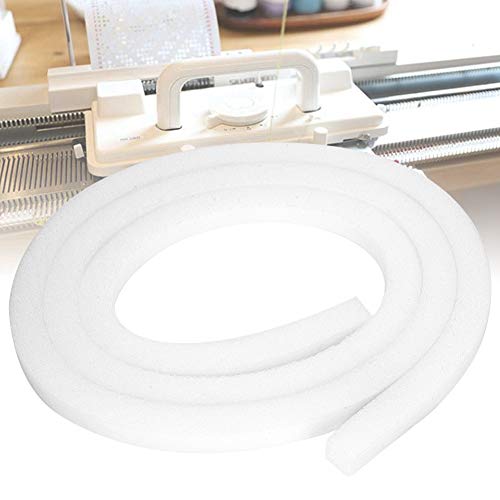

The KnitKing bar is widely regarded as the "gold standard" for those who prioritize consistent, firm needle tension. It features a high-density foam that resists compression over long, multi-day knitting marathons, ensuring your needles don’t "float" during carriage passes.
If you are working with fine-gauge yarns or intricate tuck stitches, this bar provides the stability required to prevent accidental stitch drops. The foam recovery rate is exceptional, meaning it bounces back even after weeks of heavy use.
While it comes at a premium price point, the durability often offsets the cost by reducing the frequency of replacements. For the serious knitter who relies on their machine for professional-grade output, this is the most reliable investment you can make.
Brother 4.5mm Sponge Bar: The Industry Standard

The Brother 4.5mm sponge bar is the ubiquitous choice for the vast majority of machines in the Brother standard-gauge lineup. Its design is simple, effective, and perfectly calibrated to the specific tolerances of the Brother needle bed.
Because it is the industry standard, finding replacements is incredibly easy, and the consistency across batches is generally excellent. If you are a beginner, starting with this OEM-spec bar helps you establish a baseline for how your machine should feel and sound.
However, be wary of "no-name" clones that look identical but use inferior foam. A low-quality sponge will flatten within a month, causing your needles to rise up and potentially jam the carriage, which can lead to costly needle bed damage.
Silver Reed SK280 Replacement Bar: Best Fit

Silver Reed machines require a specific level of "give" in the sponge bar to accommodate the unique geometry of their needle beds. The SK280 replacement bar is precision-engineered to provide exactly that, ensuring smooth carriage movement without excessive drag.
When you use a bar that is too thick or too firm, you’ll notice the carriage feels "heavy" or sluggish, which puts unnecessary strain on your machine’s belt and motor. This bar balances the need for needle control with the need for effortless mechanical flow.
If you frequently switch between fine wools and heavier cotton blends, the SK280 bar maintains the necessary pressure to keep those varying fiber weights in check. It is a perfect fit for the machine’s specific tolerances.
Passap Duomatic Needle Retainer: Best Upgrade
The Passap Duomatic is a beast of a machine, and its needle retention system is vastly different from standard Japanese-style machines. Upgrading to a specialized, high-durability retainer for a Passap is essential because these machines are designed for heavy-duty, long-term use.
These retainers are often constructed with specialized materials that endure the high-friction environment of a double-bed machine. They provide a level of security that prevents the "needle bounce" common in older, well-loved Passap units.
If you are tackling complex double-bed jacquard or heavy-duty industrial-style sweaters, this upgrade is non-negotiable. It keeps your needles locked in the exact position required for intricate stitch transfers.
Creative Knitting Sponge Bar: Best Value Pick

For the hobbyist knitter who rotates through several machines or is working on a tighter budget, the Creative Knitting sponge bar offers a fantastic balance of performance and price. It provides reliable, consistent pressure that mimics the performance of more expensive bars.
While the foam may not have the same long-term compression resistance as the premium options, it is more than adequate for moderate use. It’s an excellent choice for those who prefer to swap out their bars more frequently to ensure the foam is always fresh.
If you are just learning to knit, this is the perfect "learning bar." It allows you to maintain your machine properly without the anxiety of investing heavily in high-end components before you’ve mastered your tension and gauge.
Studio Knitting Machine Retainer: Best Durability

Studio machines are known for their robust build, and the retainers designed for them are equally sturdy. These bars are built to handle the mechanical demands of a machine that might be sitting in a studio for years of continuous operation.
The core material is often denser, providing a "snappy" feel that keeps needles perfectly aligned even during high-speed carriage movement. If you are the type of knitter who keeps their machine set up permanently and knits daily, this is your best option.
The longevity of these bars is their standout feature; they simply don’t degrade as quickly as generic alternatives. It is a "set it and forget it" component that lets you focus on your design rather than your machine’s maintenance.
Why Sponge Bars Are Vital for Machine Longevity
The sponge bar is the silent guardian of your knitting machine. Its primary job is to hold the needles down firmly in their tracks so that the carriage can pick up the stitches correctly.
- Prevents needle damage: A worn bar allows needles to lift, which can lead to bent latches or broken hooks.
- Maintains tension: Proper pressure ensures that every stitch is formed at the same size, which is critical for consistent gauge.
- Reduces mechanical strain: A well-functioning bar allows the carriage to glide, reducing wear on your machine’s drive system.
Without a functional sponge bar, your machine is essentially fighting against itself. The needles will become misaligned, leading to dropped stitches that are not only frustrating but can actually damage the delicate needle bed over time.
Signs Your Needle Retainer Needs Replacement Now
The most obvious sign is a sudden increase in dropped stitches, particularly in the middle of a row. If your machine suddenly starts "acting up" after months of smooth operation, the sponge bar is almost always the first culprit.
- Needles popping up: If you can easily push the needles down with your finger, the sponge has lost its tension.
- The "clack" test: If the machine sounds louder or "clunkier" than usual, the sponge is likely compressed and no longer cushioning the needles.
- Uneven fabric: If your tension is suddenly inconsistent despite no change in yarn or stitch size, the needles are likely not being held at the correct height.
Do not wait for a complete mechanical failure to replace your bar. If you notice your gauge shifting or the carriage feeling stiff, perform a quick check of the sponge density immediately.
Step-by-Step Guide to Installing Retainer Bars
Installing a new sponge bar is a simple process, but it requires a gentle touch to avoid snagging the needles. First, move your carriage to the far end of the machine to clear the path.
- Slide the old bar out: Use a long, thin tool or the new bar itself to push the old one out from the opposite side.
- Align the new bar: Ensure the sponge side is facing down toward the needles, as per your machine’s manual.
- Insert carefully: Push the new bar in slowly, using a thin metal strip or a "pusher" tool to gently depress the needle latches as the bar slides over them.
- Test the movement: Once installed, manually slide a few needles to ensure they move smoothly with a slight, consistent resistance.
If you feel significant resistance, stop immediately. You may be catching a needle hook, which can cause permanent damage to the needle or the sponge itself.
Maintenance Tips to Extend Your Machine Life
The best way to extend the life of your sponge bar is to remove it if you aren’t planning to knit for a few months. Leaving the bar in a machine that sits idle causes the foam to compress permanently under the weight of the needles.
- Store flat: If you remove the bar, store it in a cool, dry place away from direct sunlight.
- Keep it clean: Dust and lint are the enemies of a sponge bar; keep your machine bed clean to prevent debris from embedding in the foam.
- Rotate your bars: If you have multiple machines, keep a log of when you installed each bar so you know exactly when they are due for a refresh.
Treat your sponge bar as a consumable part, much like the oil in your car. By replacing it proactively, you ensure that your machine remains a reliable tool for years of creative projects.
Maintaining your knitting machine is a labor of love that pays off every time you cast on a new project. By choosing the right retainer bar for your specific machine and respecting its role in your machine’s health, you ensure consistent, beautiful results. Don’t let a flattened piece of foam stand between you and your next masterpiece. Keep your machine well-cushioned, and it will continue to knit faithfully for decades to come.