7 Best Posture Pillows For Extended Knitting To Try
Discover the 7 best posture pillows to support your back and neck during long knitting sessions. Improve comfort and prevent strain with these top-rated picks.
Knitting for hours on end is a labor of love, but it often leaves us with stiff shoulders and a nagging ache in the lower back. As someone who has spent two decades working through everything from heavy wool blankets to intricate, lace-weight mohair projects, I know that your posture is just as important as your tension. Investing in the right support can be the difference between finishing that sweater and having to put your needles down for a week of recovery.
Everlasting Comfort Lumbar Support: Best Overall
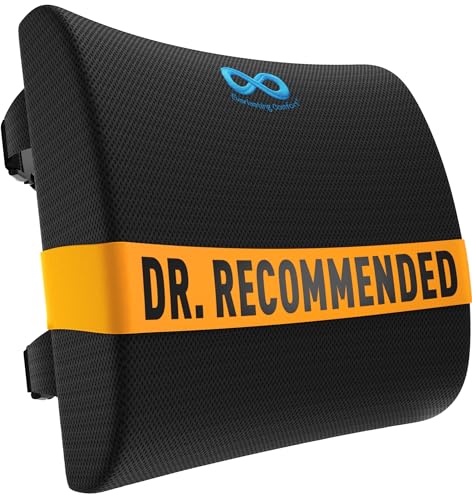

This pillow is a staple for those who find themselves hunched over intricate stranded colorwork for hours at a time. Its memory foam construction is specifically designed to follow the natural curve of your spine, which is vital when your focus is locked on reading a complex chart.
The dual-strap system is a standout feature for knitters who use different chairs throughout the house. Whether you are moving from a kitchen chair to a plush armchair, it stays firmly in place so you aren’t constantly readjusting while trying to maintain your gauge.
However, keep in mind that this pillow is quite firm. If you prefer a "sink-in" feeling while you knit, this might take a few sessions to get used to. It is the best choice for those who need consistent, rigid support to prevent slouching during marathon knitting sessions.
LoveHome Memory Foam Back Cushion for Knitters

If your knitting chair lacks depth, this cushion is a game-changer. It is wider than most standard lumbar pillows, which provides excellent lateral support when you are knitting wide panels or heavy afghans that pull on your shoulders.
The mesh cover is a thoughtful detail for fiber artists working with natural fibers like wool or alpaca. These materials can be quite warm, and the breathable fabric prevents you from overheating while you are deep in a meditative knitting flow.
The trade-off here is the bulk; it’s a substantial piece of equipment. If you knit in a tight space or a small apartment, ensure your chair has enough seat depth to accommodate the cushion without pushing you too far forward.
Cushion Lab Ergonomic Seat for Long Sessions
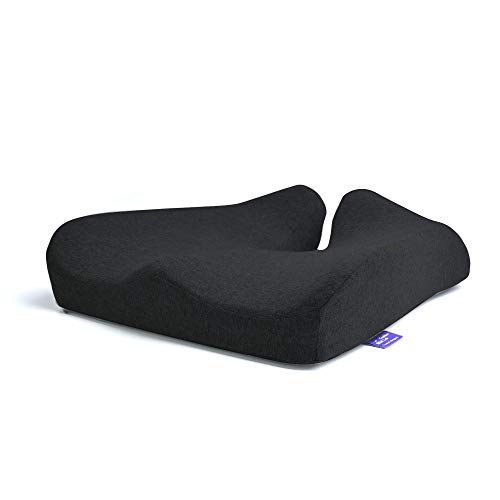
We often focus on our backs, but the foundation of good posture actually starts with the pelvis. This seat cushion features a unique contour that encourages you to sit upright, which naturally aligns your shoulders and reduces the strain on your neck while you work on small-diameter projects like socks.
When you are knitting on 2.25mm needles, your eyes and hands are often pulled inward, causing your shoulders to round forward. By tilting your pelvis into a neutral position, this cushion forces your chest open, making it easier to breathe and maintain a relaxed grip on your needles.
It is a premium investment, but the high-density foam holds its shape even after months of daily use. It is ideal for knitters who struggle with "knitter’s slump" and need a physical reminder to sit tall.
Purple Royal Seat Cushion for Knitting Comfort
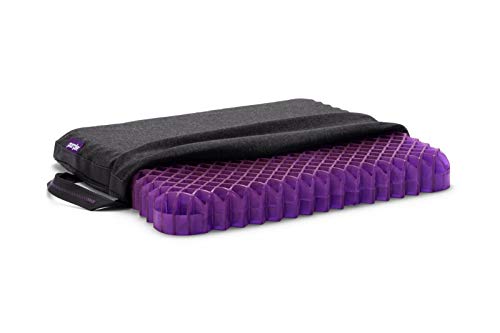
This cushion uses a grid-like gel structure that is unlike any traditional foam. It is incredibly effective at distributing weight, which is essential if you are working on a long-term project that lasts for months, like a complex cable-knit heirloom blanket.
The gel material is surprisingly cool and moves with you as you shift positions. If you are a "fidgety" knitter who constantly changes your posture to get a better look at your stitches, this cushion won’t lose its structure or flatten out.
Because it is heavier than foam, it isn’t the most portable option. Think of this as a permanent upgrade for your "knitting throne" rather than a travel accessory for your knitting bag.
ComfiLife Lumbar Support for Upright Posture

This is a classic, D-shaped lumbar pillow that excels at correcting posture in standard dining room chairs. Many of us knit at the kitchen table because of the light, and this pillow provides the exact support needed to prevent the chair’s hard edge from digging into your back.
The high-quality memory foam is responsive, meaning it softens slightly with your body heat while still providing enough resistance to keep you upright. It’s perfect for those who find that their posture fails about thirty minutes into a project.
The bottom line is simplicity; it doesn’t have a lot of bells and whistles, but it does one job very well. It is a cost-effective solution for knitters who want to improve their ergonomics without a complete furniture overhaul.
Desk Jockey Lower Back Pillow for Crafting

Designed for those who spend hours at a desk, this pillow is excellent for knitters who also do a lot of finishing work, like weaving in ends or blocking pieces on a tabletop. It provides a deeper, more pronounced arch than most pillows.
If you have a history of lower back pain, the extra depth of the Desk Jockey can provide the relief you need to focus on your tension. It helps keep your spine in a neutral position, which is critical when you are performing the repetitive motions of purling or cabling.
Be aware that the pronounced curve might be uncomfortable if you are petite. It is best suited for those who need significant lumbar reinforcement to stay comfortable during long sessions of detailed work.
Vremi Memory Foam Seat Pad for Chair Support
Sometimes, the simplest solution is the best. The Vremi pad is a straightforward, high-quality memory foam seat cushion that adds a layer of comfort to any chair. It is particularly useful if your favorite knitting chair has lost its cushioning over the years.
It’s lightweight and features a non-slip bottom, so you won’t find yourself sliding around as you manipulate your yarn and needles. It provides just enough lift to take the pressure off your hips during long sessions of working with heavy, worsted-weight wools.
While it doesn’t offer the intense ergonomic correction of the Cushion Lab, it is a fantastic "entry-level" upgrade. It’s a great choice if you are just starting to notice that your current seating arrangement is causing discomfort.
Key Features to Look for in Knitting Pillows
- Firmness Level: You want support that doesn’t bottom out after an hour; look for high-density foam.
- Breathability: Knitting is a warm activity, especially with wool; mesh covers are a must.
- Shape: Lumbar pillows should mirror the natural inward curve of your lower back.
- Portability: Consider if you need to move your support between your knitting chair and your desk.
- Non-Slip Base: You don’t want to be adjusting your cushion every time you finish a row.
How Proper Posture Prevents Knitting Fatigue
Knitting fatigue isn’t just about your hands; it’s a full-body experience. When your lower back is supported, your core muscles can relax, which prevents the tension from traveling up into your neck and shoulders.
If your posture is poor, your body compensates by tightening muscles that shouldn’t be involved in the knitting process. This leads to the "knitter’s hunch," which can eventually cause nerve compression and chronic pain.
By maintaining an upright, neutral spine, you ensure that your arms and hands can move freely. This fluidity is essential for maintaining even tension, especially when working with tricky fibers like silk or linen that show every inconsistency.
Tips for Setting Up Your Ideal Knitting Space
- Lighting is Ergonomics: Ensure your light source is positioned to minimize glare, so you aren’t leaning forward to see your stitches.
- Check Your Elbow Height: Your elbows should ideally be at a 90-degree angle to your needles to prevent wrist strain.
- Take "Blocking" Breaks: Every hour, stand up and stretch to reset your posture, just like you would block a finished garment to set its shape.
- Foot Support: If your feet don’t touch the floor, use a small footstool to prevent your legs from dangling and putting pressure on your lower back.
Finding the right support for your knitting practice is a personal journey that depends on your chair, your height, and your specific knitting style. Don’t be afraid to experiment with different pillow placements until you find the sweet spot that keeps you comfortable for hours. Remember, your body is your most important knitting tool, so treat it with the same care you give your favorite set of needles. Happy knitting, and may your rows be even and your back be pain-free.