6 Best Beading Needles For Fine Thread To Use
Selecting the right needle is vital for fine thread work. We review the six best options to ensure smooth, snag-free beading for your most delicate projects.
Finding the right beading needle is much like selecting the perfect circular needle for a complex lace shawl; the wrong tool can turn a meditative process into a frustrating struggle. When working with fine thread and delicate beads, the needle must glide effortlessly without snagging or fraying your fibers. This guide breaks down the best options to ensure your beadwork is as smooth and professional as your knitting. Choosing the correct needle is the foundational step for any successful project.
Tulip Hiroshima Beading Needles: Best Overall


If you have ever spent hours working on a beaded edge for a silk scarf, you know that needle quality dictates your speed and sanity. Tulip Hiroshima needles are widely considered the gold standard because of their incredible polish and strength. They possess a unique flexibility that prevents them from snapping, yet they remain rigid enough to pierce through multiple bead passes.
The secret lies in their high-quality steel and the perfectly rounded eye. Unlike cheaper needles that have rough edges at the eye, these are finished to prevent thread fraying. This is vital when using fine silk or nylon beading threads that can snap under the slightest friction.
While they come at a higher price point, the longevity of these needles is unmatched. If you are working on a long-term heirloom project, investing in a pack of these will save you the headache of mid-project tool failure. They are the reliable workhorse your kit deserves.
John James Collapsible Eye Beading Needles

These needles are a lifesaver when you are working with thread that seems slightly too thick for a standard needle eye. The entire shaft of the needle essentially acts as the eye, collapsing down to pass through beads and springing back open once through. This design makes threading almost instantaneous, even if your eyes are tired after a long day of knitting.
However, they do come with a notable tradeoff: they are not as durable as solid-shaft needles. Because they are constructed from two thin wires, they can eventually lose their shape or snag on finer, delicate threads. They are best reserved for projects where you need to change thread colors frequently or are using slightly textured fibers.
Think of these as the "utility" needles in your collection. They aren’t meant for heavy-duty, repetitive passage through dense beadwork, but for ease of use, they are unparalleled. Keep a few on hand for when you just want to get your thread through the eye and start working.
Beadsmith English Beading Needles: Best Value

When you are starting a new beaded knitting project, you often need a variety of sizes to experiment with different bead counts. Beadsmith English needles offer a consistent, reliable performance that won’t break the bank. They are the standard-issue tool for many, providing a balance between durability and affordability.
These needles are generally stiffer than their Japanese counterparts, which some knitters prefer for pushing through dense fabric. If you are doing bead crochet or heavy embroidery, this rigidity is a distinct advantage. You won’t find them bending out of shape when you apply a little extra pressure.
The downside is that the eyes can occasionally be a bit sharp or tight. Before you start, it is worth checking the eye for any burrs with your fingernail. A quick pass with a fine-grit emery board can smooth out any manufacturing imperfections, making them perform like needles twice their price.
Pony Black Beading Needles for High Contrast

Visibility is a massive factor when you are working with dark threads or in low-light conditions. Pony Black needles are coated with a dark finish that creates a striking contrast against light-colored beads. This simple feature can significantly reduce eye strain during long sessions of bead application.
Beyond the color, these needles are designed with a smooth, matte surface that prevents glare. If you knit under a bright lamp, you know how distracting reflective tools can be. These needles allow you to focus entirely on the placement of your beads without fighting the light.
Be aware that the black coating will eventually wear off with heavy use, especially near the eye. This is a natural byproduct of friction, not a defect. Treat them as a specialized tool for high-detail, high-contrast work rather than your everyday, permanent needle.
Miyuki Twisted Beading Needles for Precision
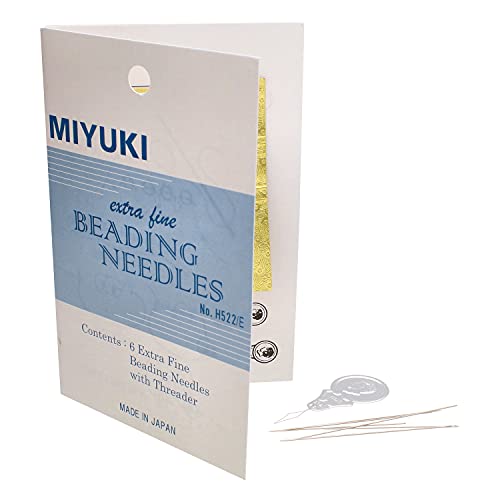
Miyuki needles are engineered for the extreme precision required by intricate bead weaving. They are crafted from a very thin, flexible wire that has been twisted, creating a needle that is both incredibly fine and surprisingly strong. They navigate through tight spaces that would stop a standard needle cold.
These are the go-to choice if you are working with size 15/0 seed beads or delicate pearls. Their slim profile allows you to pass through the same bead multiple times without the risk of cracking the glass. This is essential for structural integrity in complex beaded patterns.
Because they are so fine, they do require a gentle hand. They are not designed for brute force or heavy pulling. If you find yourself needing to yank the needle through, you are likely using the wrong size for your bead hole. Use them with patience, and they will reward you with unparalleled detail.
Dritz Flexible Beading Needles for Beginners

If you are just beginning to incorporate beads into your knitting, the Dritz flexible needles are an excellent entry point. They are incredibly forgiving, allowing you to navigate through beads without the fear of the needle snapping or bending permanently. Their flexibility makes them easy to maneuver through the loops of your knitting.
They are particularly useful when you are learning the tension required to pull thread through beads. They provide enough feedback that you can "feel" the resistance before you accidentally break a bead or fray your thread. This tactile feedback is invaluable for a novice.
Don’t expect them to last forever, as the flexible material will eventually fatigue. However, they are perfect for learning the rhythm of beadwork. Once you have mastered your technique, you can graduate to more specialized, rigid needles for your advanced projects.
Understanding Bead Needle Gauge and Thread Size
Matching your needle gauge to your thread size is the most important technical decision you will make. A needle that is too thick will struggle to pass through the bead, while one that is too thin may be too flimsy for your thread. Think of this like matching your yarn weight to your needle size for proper gauge.
- Size 10: Best for general beadwork and standard-weight beading threads.
- Size 12: The go-to for finer threads and smaller beads like 11/0.
- Size 13-15: Reserved for the smallest beads and ultra-fine, single-ply threads.
Always remember that the "eye" of the needle is the widest point. Even if the shaft fits through the bead, the eye must also pass through without force. If you feel resistance, stop immediately; forcing it will only result in a broken bead or a snapped thread.
How to Choose the Right Needle for Fine Thread
Choosing the right needle starts with the bead hole size, not the thread. If your bead hole is tiny, you must select the smallest needle that can safely accommodate your thread. If the needle is too large, you risk shattering your beads, which is devastating after hours of careful knitting.
Consider the "drag" factor of your thread. Natural fibers like silk have more friction and may require a slightly smoother, more polished needle than synthetic nylon. If you are using a waxed thread, you might find that a slightly larger eye helps reduce the build-up of wax that can make threading difficult.
Finally, consider the flexibility of your project. If you are knitting beads into a flexible lace fabric, a flexible needle will move with the fabric better than a rigid, heavy-duty one. Always test your needle with a single bead and a scrap piece of yarn before committing to your project.
Essential Tips for Threading Tiny Needle Eyes
Threading a tiny beading needle can be the most frustrating part of the craft, but it becomes manageable with the right approach. First, ensure your thread end is perfectly clean; a frayed end will never pass through a small eye. A tiny dab of thread conditioner or even a lick of beeswax can help stiffen the tip.
If you are still struggling, try the "fold and press" method. Fold the thread over the needle eye and press it firmly through with your fingernail, rather than trying to push the thread end itself. This doubles the thread, but it often provides the structural support needed to pop the loop through the eye.
Don’t be afraid to use a magnifying glass or a dedicated needle threader. There is no shame in using tools to assist your vision or dexterity. The goal is to get the thread through so you can start creating, not to prove you can do it without help.
Maintaining Your Needles for Longer Bead Work
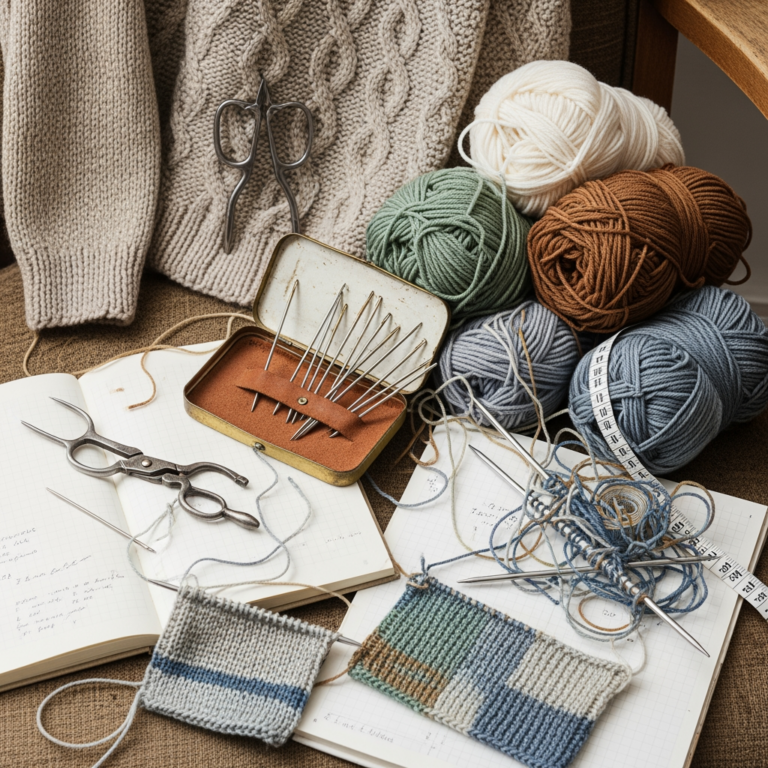
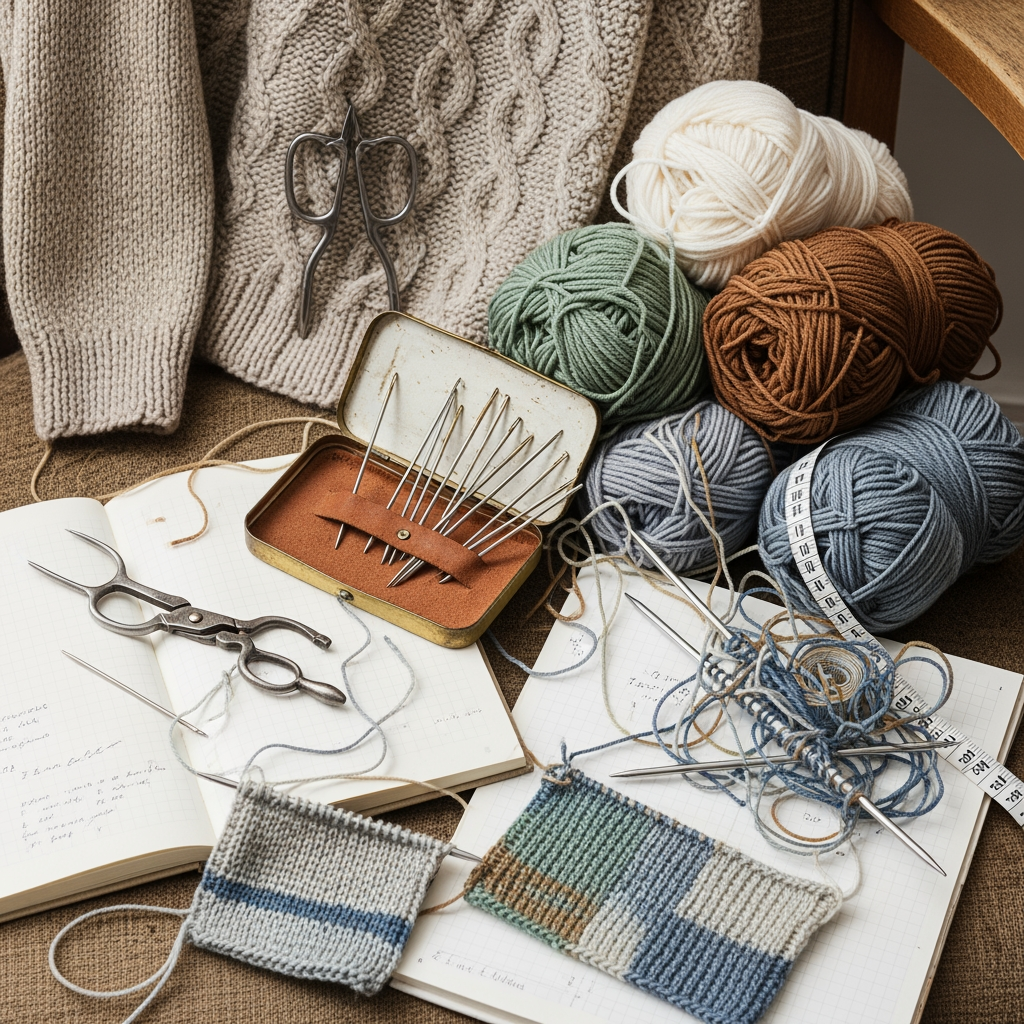
Treat your beading needles with the same care you give your favorite set of circulars. After each project, wipe your needles down with a soft, lint-free cloth to remove any oils or residue from your hands. This prevents the buildup of grime that can make the needle sticky and harder to pull through beads.
Store your needles in a dry, organized case to prevent them from bending or rusting. If you notice a needle becoming dull or developing a burr, don’t hesitate to discard it. A damaged needle is a primary cause of thread fraying and bead breakage, and it is simply not worth the risk to your hard work.
Keep your needles sorted by size in a labeled container. It is easy to confuse a size 10 with a size 12, but that tiny difference can be the difference between a smooth pass and a stuck needle. Proper organization ensures that you always have the right tool ready for the job at hand.
Mastering the art of beaded knitting requires both patience and the right set of tools. By choosing the needle that best fits your thread and bead size, you eliminate the most common sources of frustration in your work. Start with these recommendations, keep your tools clean and organized, and your beaded projects will shine with professional quality. Happy crafting, and may your thread never snag.