6 Best Fabric Shears For Cutting Backing Materials
Find the perfect fabric shears for backing materials. Our guide reviews the top six options, focusing on blade durability, ergonomic design, and precision.
When you’re preparing the backing for a complex quilt or trimming heavy canvas for a project bag, your standard yarn snips simply won’t cut it. Investing in high-quality fabric shears is the difference between a clean, professional edge and a frayed, frustrating mess. After two decades at the workbench, I’ve learned that the right blade geometry is just as critical as choosing the perfect wool-to-nylon ratio for your socks. Let’s look at the tools that will save your hands and your fabric.
Gingher 8-Inch Knife Edge Dressmaker Shears


These shears are the gold standard for many makers, and for good reason. The knife-edge grind allows the blades to slice through heavy backing materials with minimal resistance, preventing the fabric from bunching or "chewing" as you move along your cut line.
If you’ve ever tried to trim a heavy cotton duck or a dense wool felt, you know that a dull blade causes the fabric to slide away from the point of contact. The Gingher’s weight provides a natural momentum that helps you maintain a straight, controlled line through thick layers.
Because they are made of high-carbon steel, they hold an edge incredibly well. However, they do require a bit of care; keep them dry and store them in their sheath to prevent oxidation. If you want a tool that feels like a permanent fixture in your sewing kit, this is it.
Kai 7230 Professional Series 9-Inch Shears

The Kai 7230 is a revelation for anyone who has struggled with hand fatigue during long cutting sessions. These blades are crafted from high-carbon stainless steel and feature a unique vanadium content that makes the edge exceptionally sharp and durable.
I often recommend these to knitters who are also avid bag makers. When you’re cutting through multiple layers of interfacing and heavy canvas, the smooth action of the Kai pivot screw ensures that your hand doesn’t cramp up halfway through the project.
The balance of these shears is impeccable, feeling almost weightless in the palm. While they are a higher investment, the longevity of the edge and the ergonomic comfort make them a smart choice for serious makers.
Fiskars Amplify RazorEdge Fabric Shears
Fiskars is a household name, but their Amplify line is a significant step up for those working with thicker materials. These shears use a unique sensor-touch technology that senses when you are cutting thicker fabric and adjusts the blade tension accordingly.
This is particularly useful when you are transitioning between light quilting cotton and a heavy stabilizer or backing. You don’t have to worry about the fabric getting stuck between the blades, which is a common issue with cheaper, non-adjustable scissors.
They are a fantastic "workhorse" option. While they may not have the heirloom feel of a forged steel pair, the functional design is perfect for the knitter who wants a reliable, no-fuss tool for their sewing room.
LDH Scissors Midnight Edition Fabric Shears
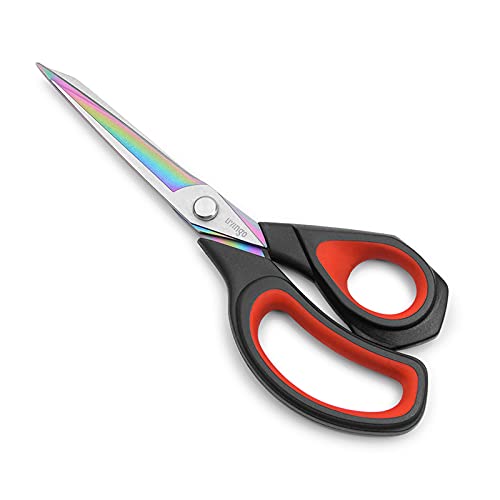
LDH has gained a cult following for a reason: their Midnight Edition shears are as beautiful as they are functional. The black industrial-grade coating isn’t just for aesthetics; it provides a non-stick surface that is excellent when cutting materials with adhesive backings or fusible stabilizers.
If you work with a lot of iron-on interfacing, you know how quickly sticky residue can build up on standard blades. These shears resist that buildup, keeping your cuts clean and your blades moving smoothly without constant cleaning.
They feel substantial and well-balanced, providing a satisfying "snip" that tells you the blade is doing its job perfectly. They are a premium choice, but for the maker who values both form and function, they are worth every penny.
Wiss W20W Industrial Inlaid Blade Shears

Wiss has been a staple in industrial settings for years, and the W20W model is built for pure performance. These are "inlaid" blades, meaning the high-carbon steel cutting edge is welded to a softer steel handle, providing the perfect balance of hardness and durability.
I suggest these for the knitter who is constantly cutting dense, heavy-duty materials. They are heavy, robust, and designed to withstand the wear and tear of a busy studio environment.
They aren’t the most ergonomic option for those with smaller hands, but they offer unparalleled cutting power. If you need a tool that can handle anything you throw at it, this is your primary candidate.
Westcott Titanium Bonded Sewing Scissors
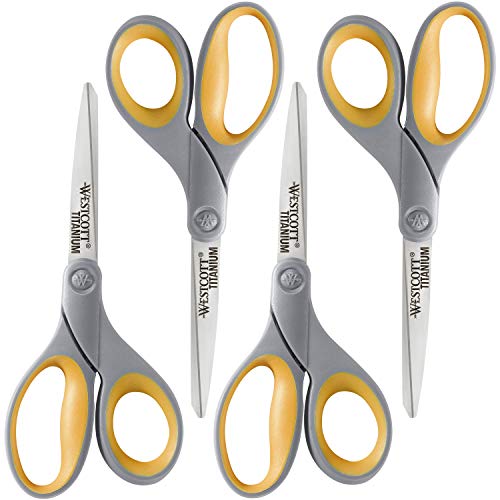
Westcott offers a great entry point for those who want high-performance blades without the high-end price tag. The titanium bonding makes the blades three times harder than untreated stainless steel, which helps them stay sharper for longer.
These are an excellent choice if you are just starting to build your sewing kit. They handle backing materials with ease and are resistant to the corrosion that can plague cheaper, plated scissors in humid environments.
While they might not hold an edge for as long as a professional-grade forged steel pair, they offer great value. They are a reliable, accessible tool that performs consistently across a wide range of fabric weights.
Essential Features for Quality Fabric Shears
When evaluating shears, look for a knife-edge grind, which is sharper and more acute than the standard bevel found on craft scissors. This allows the blades to shear through fabric rather than pushing it aside.
Consider the pivot point as well. A high-quality shear will have an adjustable screw that allows you to tighten or loosen the tension, which is vital as the blades wear down over time.
- Weight: Heavier shears provide better momentum for long cuts.
- Material: High-carbon steel holds an edge longer but requires rust protection.
- Ergonomics: Ensure the finger loops fit comfortably to prevent strain.
Avoid "serrated" blades unless you are specifically cutting slippery, lightweight silks. For backing materials, you want a smooth, clean edge that won’t snag the weave of your fabric.
Why You Must Never Cut Paper With Your Shears
This is the golden rule of the sewing room: paper is an abrasive material that will ruin the edge of your fabric shears almost instantly. Paper fibers are often coated in clay or contain fillers that act like sandpaper on the fine, polished edge of your blades.
If you use your fabric shears to trim a paper pattern or a scrap of cardstock, you will notice a dull spot immediately. Once that edge is compromised, your shears will begin to fold the fabric between the blades rather than slicing through it.
Keep a separate pair of inexpensive craft scissors specifically for paper and cardboard. Label them or keep them in a different drawer so you are never tempted to reach for your "good" shears during a moment of frustration.
How to Properly Maintain and Sharpen Blades
Maintenance is all about keeping the blades clean and tensioned correctly. After a long session of cutting, wipe your blades down with a soft, lint-free cloth to remove any dust or fibers that could hold moisture and cause rust.
A tiny drop of sewing machine oil at the pivot point every few months will keep the action smooth and effortless. If the blades start to feel loose or start "chewing" the fabric, give that tension screw a very slight turn to tighten the fit.
When the time comes to sharpen them, do not attempt to use a standard kitchen knife sharpener. Send them to a professional who specializes in fabric shears; they have the equipment to maintain the precise angle of the knife-edge grind.
Choosing the Right Size for Your Fabric Needs
The size of your shears should be dictated by the scale of your projects. An 8-inch or 9-inch shear is the sweet spot for most dressmaking and bag-making tasks, providing enough blade length to make long, continuous cuts.
If you are working with very small, intricate pieces of backing, a shorter 6-inch blade might offer better control. However, for the majority of backing materials, the extra length of an 8-inch blade ensures a smoother, more accurate cut.
Ultimately, go to a store and hold them. The best pair of shears is the one that feels like a natural extension of your hand, allowing you to cut confidently without fighting the tool.
Investing in professional-grade fabric shears is one of the most rewarding upgrades you can make for your fiber arts practice. While the initial cost may seem high, the precision and ease they bring to your work will save you countless hours of frustration. Treat your blades with respect, keep them away from paper, and they will serve you faithfully for decades. Happy making, and may your cuts always be clean and true.