6 Best Spare Needles For Machine Replacements
Finding the right needle is vital for sewing success. Our guide reviews the top six machine replacements to ensure precision, durability, and smooth stitching.
Finding the right replacement needle for a knitting machine is often the difference between a seamless project and a frustrating afternoon of dropped stitches. While hand-knitting preferences are subjective, machine work demands specific tolerances and material durability to handle constant mechanical friction. This guide evaluates top-tier needle options that offer the precision and consistency required for high-speed machine production. Whether you are working with fine lace or heavy wool, selecting the right hardware ensures your machine runs as smoothly as your technique.
ChiaoGoo Red Lace: The Gold Standard for Machines
If you are looking for the industry benchmark, ChiaoGoo Red Lace needles set the standard for structural integrity. The stainless steel construction is incredibly rigid, meaning they won’t flex or bend under the repetitive mechanical stress of a knitting machine.
The signature "lace" tip is not just for intricate hand-knitting; it is a massive advantage in machine work. A sharper point allows the needle to enter the stitch loop with minimal resistance, significantly reducing the chance of splitting the yarn ply during the transfer process.
Because these needles are made of high-grade surgical steel, they offer a slick surface that allows stitches to glide effortlessly. If your machine setup requires fast carriage movement, this reduced friction is a game-changer. The bottom line: Choose these when precision and durability are your absolute priorities.
Addi Turbo Circulars: Smoothness for High Speed
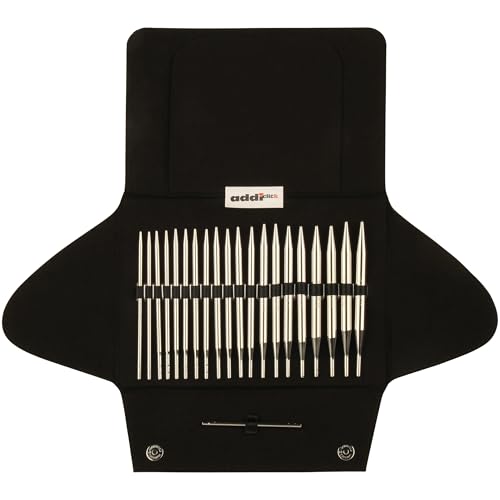

Addi Turbo needles are known for their signature nickel-plated finish, which provides a level of slickness that is hard to match. In a machine environment, this smoothness helps prevent the "drag" that often occurs when a machine carriage moves across the needle bed.
The join where the needle meets the cable on Addi products is famously seamless. For machine knitters, this means there is virtually no snagging point for yarn fibers to catch on as you work through complex patterns or long runs of stockinette.
However, the tips are blunter compared to lace-style needles. This makes them better suited for working with plied wools or cottons that might otherwise snag on a sharper point. If you prioritize speed and snag-free movement, Addi Turbos are your best bet.
KnitPicks Options Nickel: Best Value for Projects
KnitPicks Options Nickel needles offer an excellent balance of performance and affordability. They provide a smooth, polished surface that works well with a wide variety of fiber types, from slippery synthetics to standard wool blends.
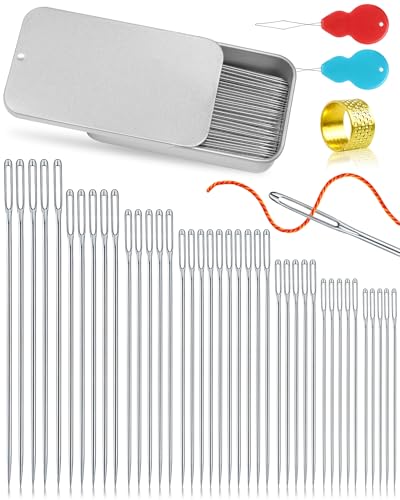
For the machine knitter working on a budget or stocking up a large machine bed, these are a practical choice. They are lightweight, which reduces the overall mass the machine carriage has to move, potentially saving wear and tear on your machine’s motor or your own arm during manual passes.
Do keep in mind that the nickel plating can wear down over years of heavy use. If you need a reliable, cost-effective solution for large-scale production, these needles provide the best value without sacrificing essential performance.
Lykke Driftwood: Ergonomic Choice for Long Runs
Lykke Driftwood needles are crafted from birch, offering a warmth and slight "give" that metal needles simply cannot replicate. While they aren’t as slick as steel, they provide a controlled grip that is essential when working with slippery fibers like silk or rayon.
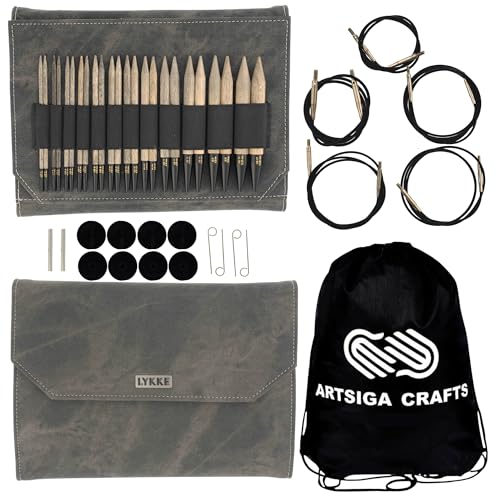
The ergonomic benefit of wood is significant if you are doing long, repetitive runs on your machine. The wood absorbs some of the vibration from the machine, potentially reducing hand fatigue during marathon knitting sessions.
These needles are surprisingly strong, but they can be more prone to snapping if subjected to extreme mechanical force. Use these when you are working with slippery, high-sheen fibers that require a bit of "bite" to stay on the needle.
HiyaHiya Sharp Steel: Precision for Fine Gauges
When you are working with fine-gauge yarns on a machine, the HiyaHiya Sharp Steel needles are a top contender. The tips are exceptionally tapered, allowing you to pick up tiny loops with surgical accuracy.

The hollow construction of these needles makes them remarkably lightweight. This is crucial for maintaining a consistent gauge; because the needles don’t add unnecessary weight to the machine’s carriage, the tension remains more uniform across the entire row.
They are quite slick, so they pair perfectly with yarns that have a bit of natural texture. If you are tackling intricate lace or fine-weight projects, the precision of the HiyaHiya Sharp is unmatched.
Clover Takumi Bamboo: Best for Grippy Fiber Work
Clover Takumi needles are the gold standard for bamboo, known for their consistent quality and smooth finish. Bamboo is naturally grippy, which is a major advantage when you are working with "jumpy" yarns that tend to slide off the needle bed.
If you find that your machine is dropping stitches because the yarn is too slippery, switching to bamboo can solve the problem instantly. The friction of the wood holds the loop in place until the machine carriage is ready to move it.
While they are not as fast as steel, they are incredibly reliable for stable, consistent work. Choose Clover Takumi when you need maximum control and stability for difficult-to-manage fibers.
Understanding Needle Compatibility With Machines
Not every needle is built to fit every machine bed. Before purchasing replacements, you must verify the shank diameter and the specific hook geometry required by your machine’s manufacturer.
Even a fraction of a millimeter difference can cause the needle to jam or skip stitches. Always consult your machine’s manual to see if it requires specific "latch" or "transfer" needles, as these are distinct from standard circular or straight needles.
- Check the gauge: Ensure the needle size matches your machine’s bed spacing.
- Verify the hook: Look for the correct latch shape to ensure consistent loop release.
- Test for fit: Always perform a manual test pass before engaging the machine’s motor.
Assessing Material Durability for Machine Use
Machine knitting is a high-impact activity for your tools. Steel needles are generally the most durable, resisting the constant friction of the carriage, while wood and bamboo will eventually show signs of wear, such as surface dulling or splintering.
If you are a high-volume knitter, nickel-plated or stainless steel needles are the only way to ensure longevity. Wood needles are fantastic for specific projects, but they should be treated as a specialized tool rather than a permanent fixture in your machine.
- Steel: High durability, low friction, best for speed.
- Nickel: Moderate durability, very slick, good for general use.
- Wood/Bamboo: Low durability, high friction, best for difficult fibers.
How to Properly Calibrate Needle Hook Tension
Calibration is the silent partner of successful machine knitting. If your needle hook tension is too loose, you will experience dropped stitches; if it is too tight, the yarn will snap or the carriage will bind.
Start by adjusting your machine’s tension dial, but remember that the needle itself plays a role. If you switch from a slick steel needle to a grippy bamboo needle, you will likely need to adjust your tension settings to compensate for the added friction.
Always make a test swatch—a small square of fabric—whenever you change needles or yarn. This allows you to observe how the needle interacts with the yarn before you commit to a full project.
Troubleshooting Common Needle Replacement Issues
The most common issue after replacing needles is "ticking" or clicking sounds during the carriage pass. This usually indicates that the needle is not seated correctly in the needle bed or that the latch is hitting the carriage.
If you notice uneven loops, check the needle tip for microscopic burrs. Even a brand-new needle can occasionally have a manufacturing defect that catches the yarn, so a quick visual inspection with a magnifying glass is a professional habit to adopt.
- Stitch dropping: Check for an improperly seated needle or incorrect tension.
- Clicking sounds: Ensure the needle is fully pushed back into the working position.
- Yarn snagging: Inspect the needle tip for rough spots or manufacturing debris.
Selecting the right replacement needles for your machine is a process of balancing speed, control, and material requirements. By understanding the unique properties of steel, nickel, and wood, you can tailor your setup to suit any fiber or pattern. Remember that your machine is a precision instrument, and the needles you choose are the primary point of contact with your yarn. With these tools in your kit, you are well-equipped to handle any knitting challenge with confidence and ease.