6 Best Citric Acid Crystals For Acid Dye Baths
Discover the top 6 citric acid crystals for consistent acid dye baths. Learn how these pH adjusters ensure vibrant, lasting color for your fiber projects.
Achieving vibrant, wash-fast colors on wool and silk requires more than just high-quality dyes; it demands the right chemical environment. Citric acid acts as the vital catalyst that forces dye molecules to bond permanently with protein fibers. Choosing the right crystals ensures your hand-dyed yarn remains soft, consistent, and brilliantly saturated. Here are the top six options for your home dye studio.
Ball Citric Acid Crystals: The Best Overall Choice


Ball is a household name for a reason, and their citric acid is the gold standard for many dyers who value consistency. When you are prepping a large batch of hand-dyed fingering weight yarn for a sweater, you don’t want to worry about impurities affecting your color strike.
These crystals dissolve rapidly in warm water, which is a massive advantage when you’re working with delicate fibers. You won’t find yourself stirring for ten minutes, risking the agitation that can accidentally felt your wool. It is a reliable, no-nonsense choice for both beginners and seasoned pros.
The bottom line: Ball provides the most predictable pH shift, making it the safest bet for complex colorways. If you want to spend more time painting yarn and less time troubleshooting, start here.
Milliard Citric Acid: Best Bulk Value Option
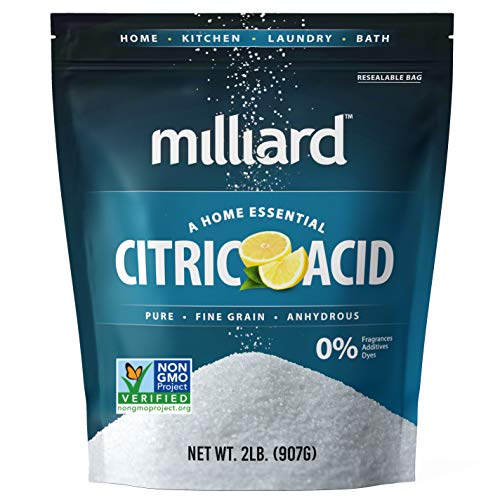
If you are a prolific dyer who goes through pounds of acid a month, buying in small, overpriced jars is a recipe for frustration. Milliard offers large-scale packaging that keeps your cost-per-ounce low without sacrificing the chemical efficacy needed for acid dyes.
Because the volume is high, you can afford to be generous with your dye baths. This is particularly helpful when dyeing dense, bulky yarns that require a larger volume of water to ensure the dye penetrates the core of the twist.

Just remember to store these bulk bags in an airtight container to prevent clumping. Moisture is the enemy of shelf-stable crystals, and a solid block of acid is a chore to break down when you’re ready to dye.
Hoosier Hill Farm Citric Acid: Best for Purity

Purity matters when you are working with premium fibers like cashmere or high-end merino. Impurities in lower-grade acid can occasionally leave mineral deposits or cause subtle, unwanted shifts in delicate pastel shades.
Hoosier Hill Farm focuses on a clean, food-grade product that is free from additives. When you are dyeing a luxury lace-weight yarn, you want the chemistry to be as "invisible" as possible. This product ensures that the only thing affecting your fiber is the dye itself.
While it comes at a slight premium, the peace of mind is worth it for high-stakes projects. Use this for your most expensive base yarns to ensure a clean, professional finish every time.
Indus Organics Citric Acid: Best Sustainable Pick

Many fiber artists are deeply conscious of their environmental footprint, which is why Indus Organics is a popular choice. They emphasize a high-quality, non-GMO sourcing process that aligns with the values of many in the knitting community.
From a dyeing perspective, the performance is identical to other high-purity brands. You get the same sharp pH drop necessary to exhaust your dye bath completely. Exhausting the bath—where the water turns clear—is the ultimate goal for saving water and preventing dye waste.
Choosing this brand is an easy way to align your studio supplies with your personal ethics. It performs beautifully on all protein fibers, from sturdy Corriedale to delicate silk blends.
Anthony’s Premium Citric Acid: Best Fine Texture
The texture of your citric acid crystals actually changes how you interact with your dye bath. Anthony’s is known for a very fine, uniform grain that behaves almost like granulated sugar.
This fine texture is a dream if you are doing "dry" techniques or sprinkling acid directly onto yarn for a speckled effect. Because the granules are small, they distribute more evenly, preventing the "acid spots" that can occur when larger, slower-dissolving crystals land on the fiber.
If you enjoy creating complex, speckled colorways, this is your best friend. The fine grain ensures a more even distribution of acidity, which leads to more controlled color transitions.
Kate Naturals Citric Acid: Best Small Batch Use

Not every dyer needs a five-pound bag sitting in their craft room. If you only dye yarn occasionally or prefer to experiment with small, one-off skeins, Kate Naturals offers a convenient, manageable size.
The packaging is designed for easy pouring, which helps prevent the accidental spills that happen when you’re wrestling with heavy bulk bags. It is perfectly suited for a small stainless steel pot on a kitchen stove.
Don’t let the smaller size fool you; the quality is top-tier. It is the perfect choice for the hobbyist who wants to keep their dyeing supplies compact and organized.
Why Citric Acid Is Essential for Acid Dyeing
Acid dyes are misnamed; they don’t actually contain acid. Instead, they require an acidic environment to "exhaust" or bond to the protein structures of animal fibers like wool, alpaca, and silk.
Without citric acid, your dye will remain suspended in the water, resulting in pale, washed-out colors that bleed during the first block. The acid lowers the pH of the bath, causing the dye molecules to lose their solubility and lock onto the fiber.
Think of it like the mordant in natural dyeing. It’s the bridge between your pigment and your fiber, ensuring that your hard-earned knitting projects don’t fade after the first wash.
How to Calculate Dye Bath Acid Concentrations
A common mistake is guessing the amount of citric acid, which leads to uneven results. A standard starting point is roughly 5% of the weight of the fiber (WOF) in citric acid.
For 100 grams of yarn, you would use 5 grams of citric acid crystals. If you find your dye bath isn’t exhausting—meaning the water remains colored after simmering—you may need to increase the concentration slightly.
Always keep a small digital scale in your dye studio. Precision is the difference between a repeatable colorway and a happy accident that you can never recreate.
Safety Tips for Handling Citric Acid Crystals
Even though citric acid is food-safe, it is a concentrated chemical when in crystal form. Always wear a dust mask when pouring, as the fine particles can irritate your respiratory tract.
Protect your eyes with safety glasses, especially if you are working with fine-grained products like Anthony’s. If you get crystals in your eyes or on sensitive skin, flush the area immediately with plenty of cool water.
Dedicate your dyeing tools to the studio. Never use the same spoons or bowls for food preparation once they have been used to measure or mix dye bath chemicals.
Troubleshooting Common Dyeing Acid Issues
If you notice "streaking" or uneven color, your acid might not be fully dissolved before you add the yarn. Always stir your citric acid into the water until it is completely clear before introducing your fiber.
If your yarn feels "crunchy" or brittle after dyeing, you may have used too much acid. While citric acid is generally gentle, excessive acidity can degrade the fiber over long, high-heat simmer times.
Finally, if your dye isn’t taking, check your water source. Hard water can neutralize your acid; if you live in an area with very hard water, you may need to add a slightly higher concentration of crystals to achieve the desired pH.
Mastering the chemistry of your dye bath is just as rewarding as mastering a complex cable pattern. By choosing the right citric acid for your specific needs, you ensure your hand-dyed yarn is vibrant, durable, and ready for your needles. Happy dyeing, and may your colors always strike exactly as you imagine them.