7 Best Knitting Gloves For Cold Weather Knitting
Stay cozy while crafting with our guide to the 7 best knitting gloves. Discover options that offer warmth and finger dexterity for your cold-weather projects.
Knitting in the cold requires a delicate balance between keeping your joints supple and maintaining the tactile sensitivity needed to manage fine yarn. When the temperature drops, your hands become your most precious tool, and protecting them without hindering your stitch work is an art form. This guide explores the best hand-wear options to ensure your needles keep clicking even when the mercury plummets. Choosing the right pair is about finding that "Goldilocks" zone of dexterity and thermal retention.
Lomi Fingerless Gloves: Best Overall Choice


The Lomi fingerless design hits that elusive sweet spot between thermal protection and the freedom required for complex lace or intricate colorwork. By leaving the fingertips exposed, you maintain the "pinch" necessary to pick up dropped stitches or manipulate a cable needle with precision.
These gloves are crafted to sit snugly against the skin, which is vital for maintaining circulation during long knitting sessions. If you suffer from cold-sensitive joints, the compression provided by a well-fitted fingerless glove can actually help reduce fatigue while you work.
The trade-off here is exposure; while your palms and wrists stay toasty, your fingertips remain vulnerable to the draft. For those working with fine-gauge lace or slippery silk yarns, this is a small price to pay for the tactile feedback required to keep your tension consistent.
KnitPicks Wool of the Andes Fingerless Mitts
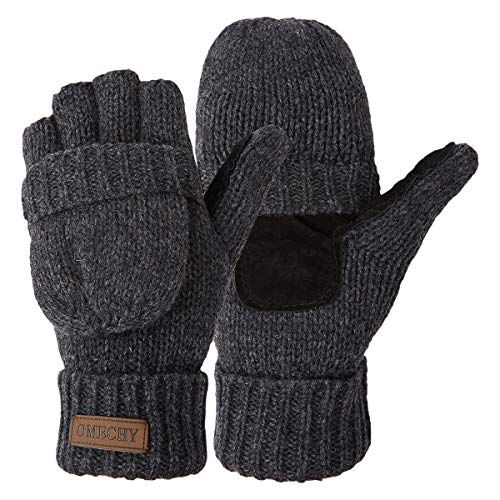
If you are a fan of traditional wool, these mitts offer the classic, rustic feel that many of us grew up with in our knitting journey. Wool of the Andes is known for its structure and warmth, making these an excellent choice for knitters who prefer a sturdier, more substantial fabric on their hands.
Because these are often made from high-quality Peruvian Highland wool, they provide excellent insulation even if they happen to get slightly damp. This is a massive advantage if you enjoy knitting in unheated sunrooms or drafty porches where humidity can fluctuate.
Keep in mind that this fiber has a bit of "grab." If you are prone to dry skin in the winter, the texture of the wool might feel slightly abrasive compared to a merino blend. However, for sheer, reliable warmth, it remains a gold-standard choice.
Smartwool Merino Wool Liner Gloves for Warmth

Merino wool is the holy grail for knitters who need a thin, high-performance layer that doesn’t feel bulky. These liner gloves are incredibly lightweight, meaning you can wear them underneath a pair of heavier mittens when you aren’t actively knitting.
The primary benefit of merino is its ability to regulate temperature without overheating your hands as you focus on a challenging pattern. Because they are so thin, they provide a "second skin" feel that won’t interfere with your needle grip or your ability to count rows.
Don’t expect these to withstand heavy outdoor labor, though. They are designed for precision and comfort, so treat them as a delicate tool for your craft rather than a rugged piece of winter gear.
Dachstein Woolwear Boiled Wool Mittens Review
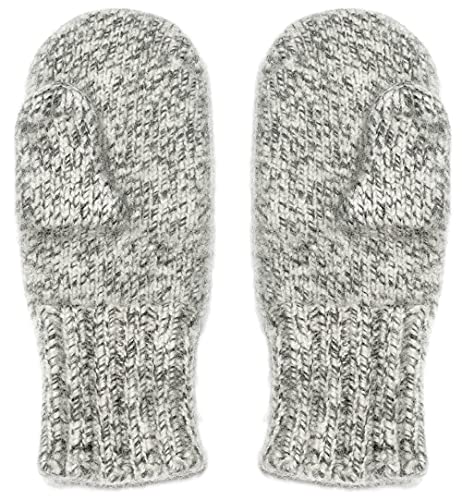
Boiled wool is essentially felted wool, which creates a dense, windproof barrier that is virtually impenetrable to the cold. While these are not designed for knitting in, they are the ultimate "between-session" protection for your hands.
When you finish a long session of stranded colorwork and your hands feel stiff, slipping these on will restore warmth almost instantly. The density of the fabric traps heat in a way that standard knit gloves simply cannot match.
Because they are so thick, you will definitely need to take them off to pick up your needles. Think of these as the "recovery" footwear for your hands after a marathon knitting session.
Hestra Merino Wool Touch Screen Liner Gloves
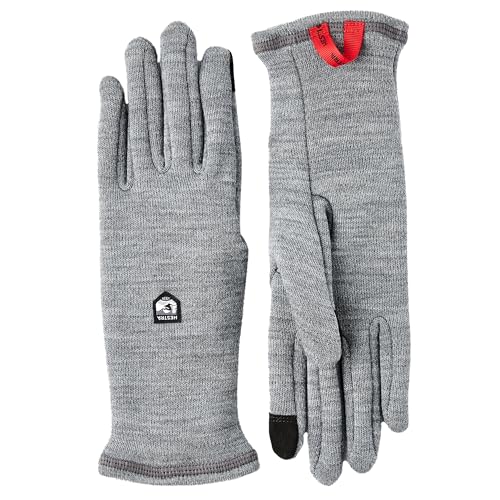
Modern knitters often need to consult digital patterns on tablets or smartphones, which makes these liners a clever, practical choice. The touch-screen capability means you can quickly check a row count or watch a tutorial without having to expose your hands to the cold air.
The Hestra construction is notably durable, standing up well to the repetitive motion of sliding your hands in and out of sleeves. They offer a snug fit that prevents them from catching on your yarn ends or needle tips while you work.
If you find yourself constantly toggling between a paper pattern and a digital one, these liners provide a seamless transition. They are a professional-grade solution for the tech-savvy maker who refuses to compromise on warmth.
Addi Express Fingerless Knitting Gloves Pick

Sometimes, the best solution is a pair of gloves designed specifically with the ergonomics of a knitter in mind. These gloves often feature reinforced thumb gussets, which accommodate the specific way we hold our tension-bearing fingers during long projects.
The design typically minimizes seams in the palm area, preventing the "bunching" sensation that can drive a knitter crazy during a long cast-on. If you are working on a project with a very tight gauge, a smooth palm is essential for avoiding hand cramping.
These are often highly breathable, which is a major plus if you tend to get "knitter’s sweat" during intense sessions. They provide the support you need without the bulk that leads to clumsy, imprecise movements.
Magid Glove & Safety Cotton Inspection Gloves
Don’t overlook the humble cotton inspection glove, especially if you are working with delicate, light-colored yarns that show every speck of oil or dirt. These are incredibly thin and provide a barrier that keeps your yarn pristine while you work.
While they don’t provide much in terms of thermal insulation, they are excellent for preventing the "tackiness" that can develop on your hands in humid, cold weather. They allow your hands to slide effortlessly over the yarn, which is a lifesaver when working with sticky mohair or delicate angora.
They are also inexpensive enough to keep in every project bag. You can easily layer these under a pair of fingerless mitts for a custom, dual-layer system that is both protective and warm.
How to Choose Gloves for Outdoor Knitting Work
When selecting gloves for knitting, prioritize dexterity over bulk. If you cannot feel the needle tip against your skin, your gauge will inevitably suffer, leading to uneven stitches.
- Check the cuff length: A longer cuff keeps your wrists warm, which is essential for maintaining blood flow to the fingers.
- Look for articulated thumbs: This allows for the natural movement required to hold needles.
- Consider the grip: Some gloves have silicone patterns; ensure these don’t snag your yarn.
If you are a tight knitter, avoid gloves that put too much pressure on your knuckles. You need your hands to be relaxed to maintain a consistent gauge, and a glove that is too tight will only accelerate hand fatigue.
Natural Fibers vs. Synthetics for Hand Warmth
Natural fibers like wool and alpaca have a unique ability to insulate even when damp, which is a critical trait if you are knitting in a cold, humid climate. Alpaca, in particular, is hollow-cored and exceptionally warm, though it lacks the "memory" or elasticity of sheep’s wool.
Synthetics, on the other hand, are often more durable and easier to wash, which is a benefit if you are taking your project on the road. They also tend to be thinner, making them better for layering under other garments.
- Wool: Best for natural warmth and moisture management.
- Alpaca: Best for extreme warmth and soft, non-itchy comfort.
- Synthetics (Nylon/Polyester): Best for durability and thin, tactile layering.
Ultimately, a blend is often the best of both worlds. A wool-nylon blend provides the warmth of natural fiber with the structural integrity and durability of a synthetic.
Essential Tips for Knitting in Cold Climates
The most important tip is to warm your hands before you start. Do some gentle hand stretches or hold a warm mug of tea for a few minutes before picking up your needles to get the blood flowing.
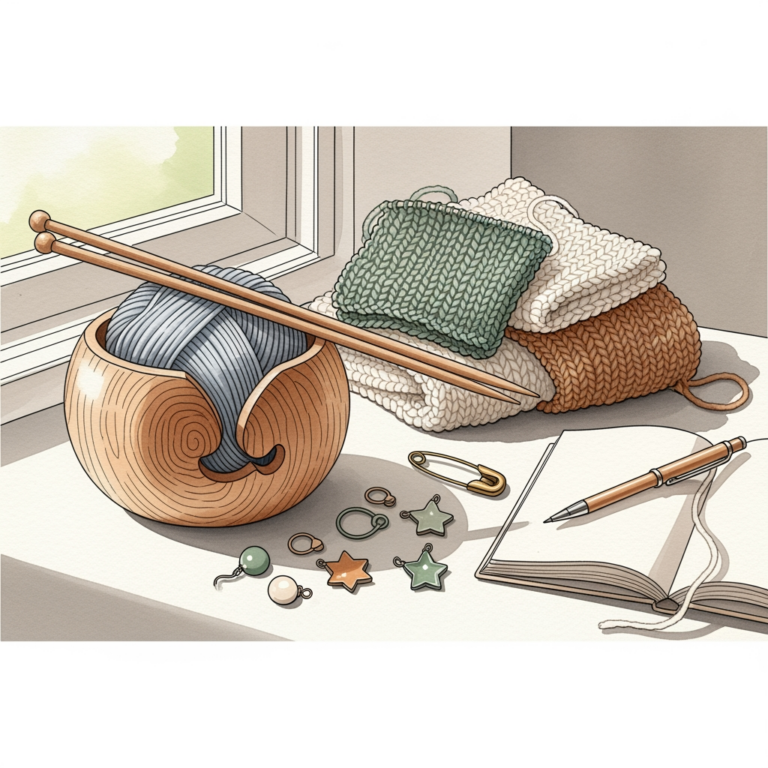
If you are knitting in a very cold environment, consider using wooden or bamboo needles. Metal needles conduct the cold from the air and can actually pull heat away from your fingertips, whereas wood remains neutral and comfortable to the touch.
Finally, don’t be afraid to take frequent breaks. Cold-weather knitting can cause you to unconsciously tense your shoulders and hands, which leads to injury. Listen to your body, keep your wrists warm, and always keep your project in a bag that protects it from the elements.
Finding the right hand protection is just as important as choosing the perfect yarn for your project. By focusing on dexterity, fiber type, and the specific demands of your knitting style, you can ensure your hands remain comfortable all winter long. Remember that the best glove is the one that lets you forget you are wearing it while you create your next masterpiece. Happy knitting, and stay warm out there.