7 Best Snap Fasteners For Delicate Baby Garments
Choosing the right snap fasteners is vital for baby clothes. Discover seven durable, nickel-free options that ensure comfort, safety, and ease of use for infants.
Choosing the right snap for a handmade baby garment is just as critical as selecting the perfect yarn weight or needle material. A beautiful, hand-knit cardigan can quickly become unusable if the closure pulls through the fabric or irritates a baby’s sensitive skin. These seven options provide the security and finish necessary to ensure your hard work stands the test of time and frequent washing. Understanding the mechanics of these fasteners will help you achieve a professional, durable result every time.
Prym Non-Sew Color Snaps: Best for Baby Basics
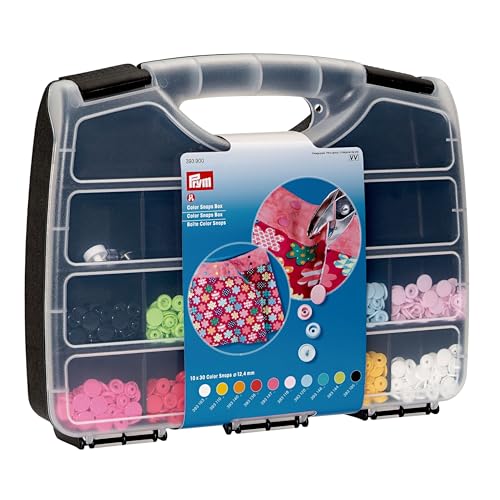

These snaps are the gold standard for many knitters because they are incredibly reliable and widely available. They use a simple prong system that pierces through the fabric without needing a needle and thread, which is a lifesaver when you are already exhausted from finishing a complex cable pattern.
The color variety is the real standout feature here, allowing you to match your snaps perfectly to your hand-dyed wool or cotton blends. Because they are made from high-quality plastic, they are lightweight and won’t weigh down the delicate edges of a baby sweater.
However, keep in mind that these require a specific set of pliers to set properly. If you try to hammer them in, you risk cracking the plastic or bending the prongs, which ruins the snap and damages your knitting.
KAM Snaps Plastic Fasteners: Best Value Choice

If you are planning to knit a whole wardrobe of baby clothes, KAM snaps are the most economical way to stock your notions kit. They are incredibly popular in the sewing community and translate well to knitwear, provided you have a proper press or plier set.
The sheer volume of colors and sizes available means you can customize your closures for every project, from tiny booties to full-sized rompers. They are made from durable polyacetal resin, which holds up remarkably well to the high-heat cycles of modern washing machines.
The trade-off is the initial learning curve involved in setting them correctly. If you don’t apply enough pressure, the snap won’t "click" securely; apply too much, and you might warp the plastic. Practice on a swatch of scrap yarn before committing to your finished garment.
Dritz Babyville Boutique Snaps: Best for Knits

These snaps were designed specifically with baby apparel in mind, which shows in their gentle, rounded edges. They are slightly smaller than standard utility snaps, making them perfect for the fine-gauge knitting often used for infant cardigans.
Because they are marketed for baby garments, they are lead-free and safe for little ones who might decide to chew on their clothing. The aesthetic is clean and minimalist, ensuring the focus stays on your stitch definition rather than the hardware.
Be aware that these work best on lighter-weight yarns like fingering or sport weight. If you are knitting with a chunky, heavy wool, the prongs may not be long enough to penetrate the fabric and anchor securely into the backing.
YKK FlexFix Pro Snaps: Best Heavy-Duty Option
When you are knitting a garment that will be passed down through multiple children, you need hardware that won’t give out. YKK is legendary for their zippers, and their snap fasteners offer that same level of industrial-grade reliability.
These are metal snaps, which offer a more traditional, "heirloom" look compared to plastic alternatives. They provide a very firm, audible "snap" that lets you know the garment is securely closed, which is vital for active babies.
Because they are metal, they are heavier than plastic options and can cause "sagging" if applied to very thin, airy lace-weight knits. Always use a small square of interfacing or a piece of ribbon on the inside of the garment to distribute the weight and prevent the metal from tearing through your stitches.
SnapSource Professional Pliers: Best for Ease

If you struggle with hand strength or find the repetitive motion of setting snaps difficult, these pliers are a game-changer. They provide excellent leverage, meaning you don’t have to strain your wrists to get a clean, professional finish.
The interchangeable dies allow you to switch between different snap sizes with minimal fuss. This is perfect for the knitter who oscillates between delicate newborn bonnets and chunky toddler sweaters.
While the upfront cost is higher than a basic setting tool, the precision they offer is unmatched. You are far less likely to ruin a finished garment with a misaligned snap, which makes them a sound investment for any serious maker.
Sew-On Pearl Snaps: Best for Decorative Finishes

Sometimes a garment needs a touch of elegance, and nothing beats the classic look of a pearl-finish snap. These are often sew-on varieties, which means you don’t need special pliers—just a needle, thread, and a bit of patience.
These are ideal for garments where you want to avoid piercing the fabric with metal prongs. By sewing them on, you preserve the integrity of your yarn, which is especially important when working with delicate fibers like cashmere or silk-mohair blends.
The downside is that they are more time-consuming to apply than press-on snaps. You must ensure your sewing tension is consistent so the snap doesn’t wobble or pull away from the fabric after a few wears.
Prym Sew-Free Jersey Snaps: Best for Soft Fabric

Jersey snaps are designed specifically for stretchy, lightweight fabrics, making them an excellent choice for knitwear that has a lot of "give." They feature a ring-style prong that grips the fibers gently without causing runs or holes.
They are incredibly low-profile, meaning they won’t create bulky lumps under a baby’s chin or along their chest. This is essential for ensuring the garment is comfortable enough for long naps.
Because they are designed for thinner fabrics, they are not suitable for heavy-duty sweaters. Use them for cotton-knit baby tees or light cardigans, and always reinforce the area with a bit of fusible interfacing to prevent the snap from pulling through the knit fabric over time.
How to Choose the Safest Snaps for Baby Clothing
- Prioritize Lead-Free Materials: Always check the packaging to ensure the snaps are certified non-toxic and safe for contact with skin.
- Avoid Small Parts: Ensure the snap is large enough that it cannot be easily pulled off and swallowed, which is a major choking hazard.
- Check for Sharp Edges: After setting, run your finger over the back of the snap to ensure no metal prongs are protruding that could scratch the baby.
- Test for Security: Give every snap a firm tug after installation to ensure it won’t pop off during normal wear.
Essential Tools for Attaching Snaps to Knitwear
- A Reliable Snap Plier Set: Choose one that matches your chosen snap brand for the best fit.
- Awl or Stiletto: Useful for gently pushing aside yarn fibers to create a path for the snap prongs without breaking the yarn.
- Fusible Interfacing: A strip of lightweight, iron-on interfacing applied to the wrong side of the fabric provides the necessary structure for the snap to grip.
- Measuring Tape: Accurate placement is everything; mark your snap locations with a tailor’s chalk or a removable marker before you start.
Tips for Reinforcing Fabric Before Adding Snaps
Knitted fabric is inherently stretchy, which is the opposite of what a snap needs to stay put. If you attach a snap directly to a loose knit, the weight of the snap will eventually cause the fabric to stretch, sag, or tear.
Always add a small patch of non-stretch fabric, such as cotton ribbon or lightweight interfacing, to the inside of the placket. This creates a stable "anchor" for the snap prongs, ensuring the fastener stays flush against the garment.
When piercing the fabric, try to go between the stitches rather than through the yarn plies themselves. If you break the yarn, you create a weak point that will eventually ladder or unravel, potentially ruining your entire project.
Selecting the right snap is the final, vital step in ensuring your hand-knit baby garment is as functional as it is beautiful. By considering the weight of your yarn, the stretch of your stitch pattern, and the safety of the materials, you can create a piece that is truly heirloom quality. Take your time with the installation, and always test your technique on a swatch before working on the final garment. With these tools and tips, your knitwear will be ready for all the adventures a baby has in store.