6 Best Peg Replacements For Loom Maintenance Reviewed
Keep your loom functional with our top 6 peg replacements. We review durability and fit, ensuring your weaving projects continue without any interruptions.
There is nothing more frustrating than mid-project momentum being halted by a snapped loom peg or a loose post that refuses to stay seated. As someone who has spent decades working with various fiber tools, I know that the integrity of your loom is just as important as the quality of your yarn. Whether you are working on a bulky wool throw or delicate cotton socks, having reliable hardware is the foundation of a consistent gauge. This guide breaks down the best replacement options to keep your loom functional for years to come.
KB Looms Replacement Pegs: Best Overall Choice


When it comes to consistency and fit, KB Looms replacement pegs are the industry gold standard. These pegs are engineered to match the specific tolerances of their own looms, which eliminates the guesswork often associated with universal replacements.
If you have ever dealt with a peg that pops out every time you pull a loop of high-twist superwash wool, you will appreciate the secure snap-fit of these parts. They are designed to withstand the tension of tighter gauges without bending or warping over time.
Because these are manufactured by a brand that understands the mechanics of loom knitting, they offer the best balance of durability and ease of use. They are my top recommendation for anyone who wants a "plug-and-play" solution that just works.
Authentic Knitting Board Universal Peg Set
The Authentic Knitting Board Universal set is a fantastic choice if you own several different looms or prefer the flexibility of having a variety of shapes on hand. These are designed to fit a wider array of boards, though the trade-off is that they may require a bit more pressure to seat firmly.
I often suggest these to knitters who are experimenting with different yarn weights. If you are switching from a thin, fingering-weight yarn to a bulky roving, having the ability to swap peg types can significantly change the look and feel of your finished fabric.
However, keep in mind that "universal" can sometimes mean "slightly loose" depending on the age of your loom. Always test one peg in a non-critical area of the loom before committing to a full replacement project.
CinDWood Crafts Replacement Pegs

CinDWood pegs are the artisan choice for those who value longevity and custom-feel hardware. These are often preferred by serious loom knitters who find standard plastic pegs too flimsy for heavy-duty projects like rugs or thick blankets.
The material quality here is a step above the mass-produced options found in big-box stores. They have a satisfying density that holds up well when you are using a metal loom hook to lift dense, multi-ply yarns.
If you are a heavy-handed knitter who tends to pull your loops tight, these pegs are less likely to snap under pressure. They are an investment in your loom’s longevity, especially if you plan on using the board for years of daily practice.
Boye Loom Tool and Peg Replacement Kit
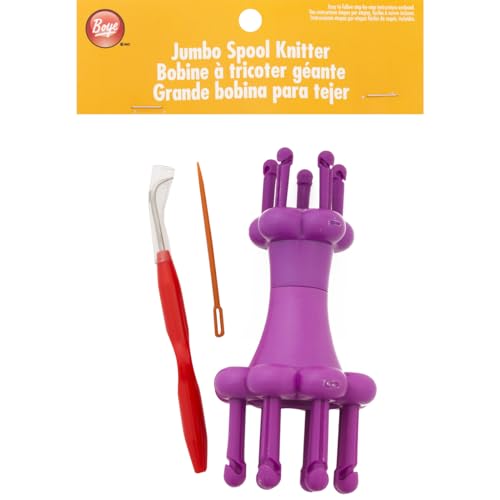
The Boye kit is a reliable, budget-friendly staple that you can find in almost any local craft shop. While these might not have the premium feel of boutique brands, they are perfectly functional for standard, everyday projects.
These pegs are best suited for beginners or those who only loom knit occasionally. If you are working on a simple scarf with acrylic yarn, these will perform exactly as expected without any fuss.
The kit usually includes a loom hook, which is a nice bonus if you have a tendency to lose yours between projects. Just be aware that these pegs are designed for standard-gauge looms; they won’t fit the specialized fine-gauge boards.
Darice Knitting Loom Peg Replacements

Darice pegs are widely available and serve as a solid "in-a-pinch" solution. They are straightforward, no-frills components that get the job done when you need to replace a few broken pegs on a basic round or long loom.
I find these work best for educational settings or for teaching children how to loom knit. Because they are inexpensive, it is not a heartbreak if one goes missing under the couch or gets misplaced during a class.
While they may not be the most durable option for high-tension work, they are perfectly adequate for standard stitch patterns. If you are just keeping a spare set in your knitting bag for emergencies, these are a smart, low-cost choice.
Loops & Threads Loom Peg Spare Parts
Loops & Threads parts are specifically designed for the looms frequently found at craft supply chains. They are excellent for those who already own these specific kits and want a seamless, color-matched replacement.
One of the benefits here is the consistency of the plastic used, which matches the original loom hardware perfectly. You won’t have to worry about the peg sitting at a different angle or height than its neighbors.
If you are a detail-oriented knitter who likes your tools to look uniform, these are the best way to maintain the aesthetic of your loom. They are reliable, consistent, and easy to source whenever you need a quick refresh.
How to Properly Measure Your Loom Peg Size
Measuring your peg is the most important step to avoid buying the wrong parts. You need to look at both the diameter of the post that goes into the hole and the length of the peg itself.
Use a digital caliper if you have one, as even a fraction of a millimeter can be the difference between a snug fit and a wobbly peg. If you don’t have a caliper, a standard ruler can work, but be sure to measure the "shoulder" of the peg—the part that sits flush against the loom board.

- Diameter: Measure the widest part of the peg base.
- Length: Measure from the base to the top of the head.
- Shape: Note if the base is round, square, or keyed (slotted).
Troubleshooting Loose or Wobbly Loom Pegs
A wobbly peg is a knitter’s nightmare because it changes your tension and can lead to uneven, sloppy stitches. If a peg has become loose, the hole in the loom may have widened slightly from years of pressure.
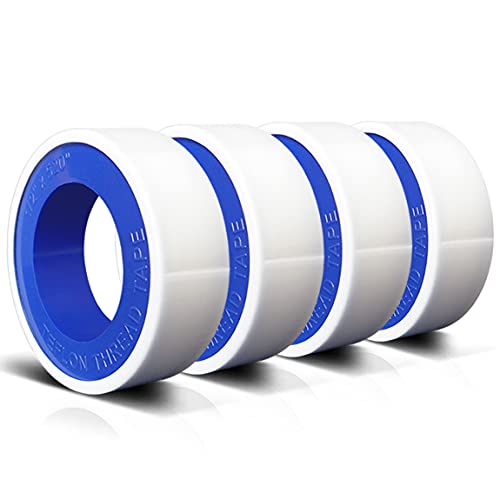
You can often fix a loose peg by adding a tiny bit of plumber’s tape (Teflon tape) around the base of the peg before inserting it. This adds just enough friction to keep it seated firmly without damaging the loom.
Avoid using superglue if you can, as it makes it impossible to remove the peg later if it breaks. A small piece of paper or a thin sliver of wood can also act as a shim if the hole has become significantly oversized.
Material Guide: Plastic vs. Wooden Loom Pegs
Most looms come with plastic pegs because they are affordable and easy to mold, but wooden pegs are becoming a popular upgrade. Plastic is great for general use, but it can eventually become brittle, especially if stored in extreme temperatures.
Wooden pegs, often made from hardwoods like maple or birch, offer a much more tactile experience. They have a natural grip that helps prevent yarn from slipping off the peg unexpectedly, which is a major benefit when working with slippery fibers like silk or bamboo.
However, wooden pegs require a bit more care. They should be kept dry to prevent swelling, and you should check them occasionally for splinters that could snag your yarn.
Maintenance Tips for Extending Loom Lifespan
The best way to maintain your loom is to treat it like any other fine tool. After finishing a project, wipe the pegs down with a soft, dry cloth to remove any dust or fiber residue that can accumulate over time.
Avoid leaving your loom in direct sunlight for extended periods, as UV rays can degrade plastic, making it brittle and prone to snapping. If you are storing your loom for a long time, wrap it in a clean cotton bag to protect it from environmental wear.
Finally, always remove your yarn from the pegs when the loom is not in use. Constant tension, even when you aren’t knitting, can slowly warp the pegs and loosen the holes in the board.
Maintaining your loom doesn’t have to be a chore, but it does require a little bit of attention to detail. By choosing the right replacement pegs and keeping your hardware in good condition, you ensure that your knitting remains consistent and your projects stay enjoyable. Remember that the best tool is the one that allows you to focus on your rhythm rather than your hardware. Happy knitting, and may your loops always stay secure.