6 Best Knitting Kits For Complete Beginners To Try
Discover the 6 best knitting kits for beginners. These curated sets provide all essential tools and clear instructions to help you master your first project.
Starting your knitting journey is one of the most rewarding creative decisions you can make, but the sheer volume of yarn and needles can feel overwhelming. A well-curated kit removes the guesswork by bundling compatible materials, allowing you to focus entirely on learning the mechanics of the stitch. These six selections are designed to build your confidence through projects that are both manageable and genuinely wearable. By investing in a kit, you bypass the common trap of buying mismatched tools that make learning unnecessarily difficult.
We Are Knitters The Petite Wool Scarf Kit


This kit is the gold standard for beginners who want instant gratification and a high-end, chunky aesthetic. The yarn is a thick, single-ply Peruvian wool that grows rapidly on the included 15mm wooden needles.
Because the yarn is so bulky, you will see your stitches form clearly, which is vital for spotting and correcting mistakes early on. The weight of the wool provides a satisfying heft, though be aware that single-ply yarn can pill if treated roughly.
If you struggle with hand fatigue, these large wooden needles offer a comfortable, lightweight grip. Just remember to keep your tension consistent, as bulky yarn is less forgiving of uneven pulling than thinner, multi-ply alternatives.
Wool and the Gang Billie Jean Beanie Kit
If you prefer a project that feels modern and urban, this kit offers a fantastic introduction to working with recycled denim yarn. The Billie Jean cotton is sturdy and has a unique, slightly irregular texture that hides minor tension inconsistencies.
Working in the round for a beanie is a natural progression after mastering flat scarves. This kit typically includes circular needles, which are essential for hat-making and help prevent the weight of the project from pulling on your wrists.
The cotton fiber is less elastic than wool, meaning it won’t "bounce back" if you pull your stitches too tight. Focus on keeping your movements relaxed to ensure the fabric remains soft and wearable rather than stiff.
Purl Soho Beginner’s Garter Stitch Scarf Kit
Purl Soho is renowned for their impeccable aesthetic and high-quality natural fibers, making this kit perfect for the knitter who values a classic, heirloom-quality result. Their instructions are notoriously thorough, often serving as a mini-course in textile basics.
The kit usually features a merino wool blend, which is soft against the skin and provides excellent stitch definition. You will learn the garter stitch—knitting every row—which is the absolute foundation of all fabric construction.
While the yarn is thinner than "chunky" options, it allows you to practice the rhythm of knitting without the physical strain of heavy needles. It is the best choice for those who want to understand the "why" behind their stitches.
Lion Brand Basic Stitch Beginner Cowl Kit
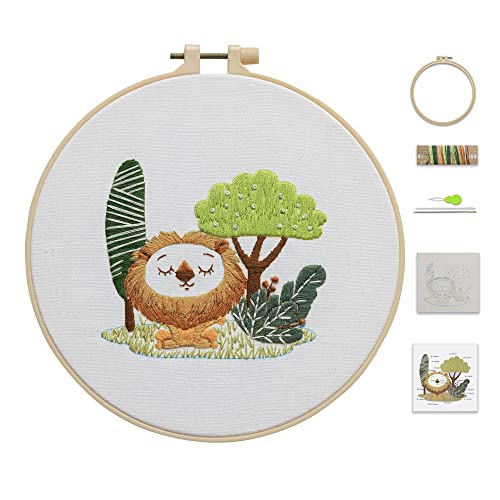
For the budget-conscious learner, this kit offers a reliable, machine-washable acrylic yarn that is practically indestructible. It is an excellent choice if you have pets or children, as the yarn can withstand frequent handling and laundering.
The Basic Stitch yarn is a worsted weight, which is the "goldilocks" size for most knitting patterns. Learning on this weight gives you the most versatility, as it is the standard for the majority of patterns you will encounter in the future.
Acrylic can feel a bit "squeaky" on certain needle materials, so look for a kit with bamboo needles to provide just enough grip. This combination prevents your stitches from sliding off too easily while you are still developing your manual dexterity.
KnitPicks Learn to Knit Club Scarf Project
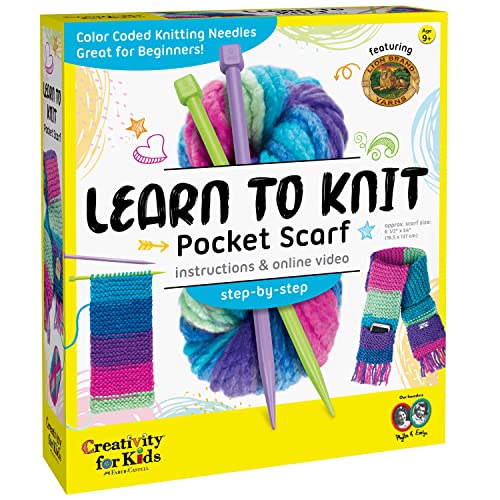
KnitPicks is a staple in the fiber arts community because they prioritize the educational experience alongside the materials. This project is specifically engineered to teach you the transition from casting on to binding off with minimal frustration.
The kit includes high-quality needles that are neither too slick nor too grippy, striking a perfect balance for a novice. You will learn to read your work, which is the most important skill a knitter can develop to avoid long-term errors.
Don’t be afraid to pull out your work and restart if you drop a stitch; it is the most effective way to learn how the structure of the knit fabric actually holds together. Use this project as a low-pressure laboratory for your hands.
Darn Good Yarn Beginner Knitting Kit Box

Darn Good Yarn specializes in unique, often hand-dyed or recycled fibers that add a touch of personality to your first project. Their kits are ideal for the knitter who wants their first piece to feel like a one-of-a-kind artistic creation.
The variation in the yarn’s texture can be a double-edged sword; while it looks beautiful, it can be slightly harder to see your individual stitches. Take your time during the first few rows to ensure you are consistently picking up the yarn properly.
Because these yarns are often small-batch, the kit provides a great lesson in understanding fiber properties. Enjoy the tactile experience, as the "hand" of the yarn—how it feels to the touch—is what will keep you coming back to the craft.
How to Choose Your First Knitting Project Kit
When selecting your first kit, prioritize the visibility of the stitches over the color or trendiness of the yarn. Light-colored, smooth-plied yarns are much easier to work with than dark, fuzzy, or textured novelty yarns.
Consider your goal: do you want a fast win, or are you looking to master a specific technique? If you want a quick win, choose a kit with chunky yarn; if you want to learn precision, choose a worsted weight.
Always check the needle material included in the kit. If you are nervous about stitches sliding off, choose a kit with bamboo or wooden needles, which provide natural friction.

Essential Tools Included in Beginner Kits
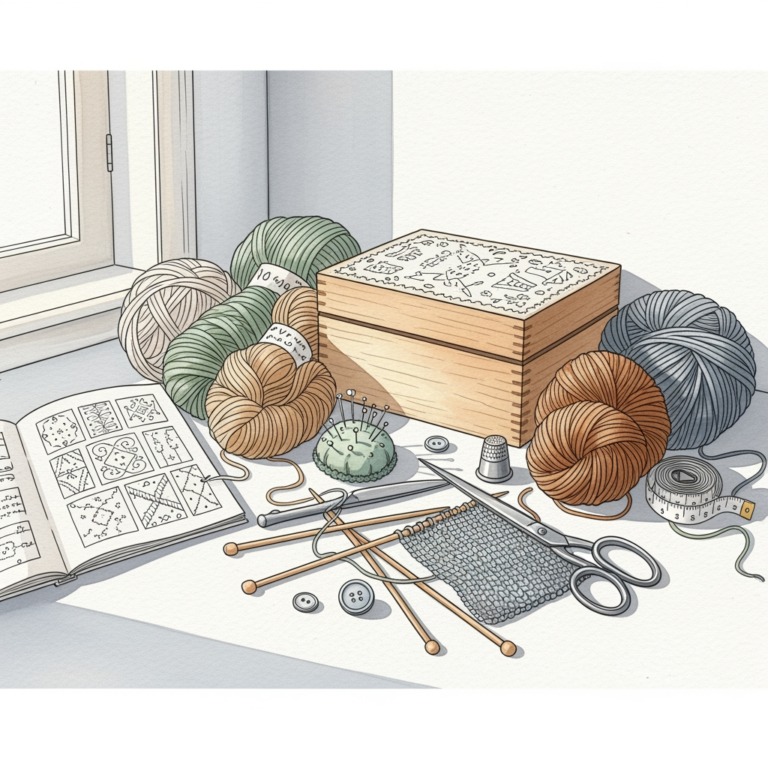
Beyond the yarn and needles, a good kit should include a tapestry needle for weaving in ends and perhaps a stitch marker. These small items are the unsung heroes of the knitting world.
A tapestry needle is essential for finishing your project professionally; without it, your hard work will unravel at the ends. Stitch markers help you keep track of your place, especially if you are working in a pattern that requires counting.
If a kit doesn’t include a small measuring tape or a gauge tool, consider picking these up separately. Knowing the length of your work is vital for ensuring your finished project matches the intended size.
Understanding Yarn Weights for New Knitters
Yarn weight refers to the thickness of the strand, not how much the ball weighs. Common weights for beginners include "Worsted" (medium) and "Bulky" (thick), which are the easiest to manipulate.
The term WPI (Wraps Per Inch) is a practical way to measure yarn weight at home; simply wrap your yarn around a pencil and count how many wraps fit in an inch. A higher number means a thinner yarn, while a lower number means a thicker one.
Understanding this allows you to eventually swap yarns in patterns, though you must always be mindful of the "gauge"—the number of stitches per inch—to ensure your project doesn’t turn out too large or too small.
Tips for Success on Your First Knitting Kit
The most important tip is to keep your tension loose. Beginners often pull the yarn tight, which makes it nearly impossible to insert the needle into the next stitch, leading to hand cramps and frustration.
Set aside 15-20 minutes a day rather than trying to power through for hours at a time. Knitting is a physical skill that requires muscle memory, and your hands need time to adjust to these new, repetitive motions.
Finally, do not be discouraged by a "messy" first project. Every uneven stitch is a record of your progress, and you will eventually look back at that first scarf with immense pride.
Your first project is less about perfection and more about building the foundational rhythm of the craft. By choosing a kit that aligns with your learning style, you set yourself up for a lifetime of creative fulfillment. Remember that every master knitter started exactly where you are today, fumbling with needles and unraveling mistakes. Embrace the process, keep your hands relaxed, and enjoy the meditative magic of turning a single strand of fiber into something beautiful.