6 Best Felted Wool Mats For Blocking Worth Having
Discover the top 6 felted wool mats for blocking. Our guide highlights heat-resistant, durable options to ensure your knitting projects finish perfectly.
Blocking is the final, transformative step that turns a puckered, uneven swatch into a professional-grade garment. While foam tiles are common, seasoned knitters eventually gravitate toward felted wool mats for their superior heat retention and natural grip. These six options represent the gold standard for stabilizing your stitches and achieving perfect dimensions. Investing in the right surface ensures your hard work gets the finish it truly deserves.
Knitter’s Pride Wool Blocking Mats: Best Overall
These mats hit the sweet spot between density and size, making them my go-to recommendation for most knitters. They feature a generous surface area that comfortably accommodates a standard sweater back or a large triangular shawl.
The thickness is sufficient to hold T-pins securely without them poking through to your table or floor. Because they are made of dense wool, they provide a slightly "sticky" surface that prevents delicate lace from sliding while you are arranging your points.
If you are looking for a reliable, all-purpose solution that won’t require constant replacement, this is the one to pick. It balances professional performance with a price point that makes sense for the average hobbyist.
Cocoknits Wool Pressing Mat: Best for Precision


If you are a fan of steam-blocking, you know that heat is the secret weapon for relaxing stubborn fibers like alpaca or high-twist wool. This mat is designed specifically to withstand the rigors of steam, acting as a heat-reflective surface that helps set your stitches instantly.
The firm, dense construction means it doesn’t compress easily under pressure. This is vital when you are trying to achieve sharp edges on a garment or need to press down firmly to block out a complex cable pattern.
However, keep in mind that this mat is smaller than the typical modular foam square. It is best used for individual garment pieces or smaller accessories where precision is more important than total surface area.
Della Q Felted Wool Blocking Mat: Best Portability
We have all been there: you are traveling to a knitting retreat or a workshop and realize your blocking gear is too bulky to fit in your suitcase. Della Q designed this mat with the traveling maker in mind, offering a solution that rolls up tightly without losing its shape.
The felted surface is exceptionally high quality, providing a smooth finish that won’t snag your yarn. It is thin enough to pack easily, yet dense enough to hold pins at a variety of angles.
This is the perfect companion for someone who frequently attends knit-alongs or retreats. It turns any hotel desk or dining table into a professional-grade blocking station in seconds.
WoolyBoard Felted Blocking Mat: Best for Sweaters
Blocking a full-sized sweater requires a surface that won’t shift or buckle when you are pinning out heavy, wet fabric. The WoolyBoard system is exceptionally sturdy, providing a rigid base that handles the weight of a damp wool pullover without sagging.
Because it is designed for larger projects, it eliminates the need to puzzle together multiple small tiles. You avoid the "seam" problem where your garment might accidentally dip into the gaps between squares.
If you primarily knit sweaters and cardigans, this investment will save you significant frustration. It provides a flat, stable foundation that ensures your side seams line up perfectly every single time.
Clover Thick Wool Blocking Mat: Best for Durability
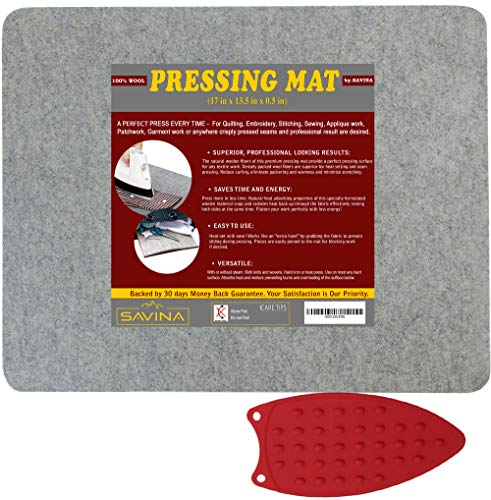
Clover has a reputation for making tools that last for decades, and their wool mat is no exception. It is noticeably thicker than most competitors, which is a massive advantage if you use long, heavy-duty blocking wires.
The density of the felt is impressive, meaning you can pin and unpin items hundreds of times without the mat developing "holes" or losing its grip. It is essentially a lifetime tool for your knitting kit.
While it lacks the bells and whistles of some modern systems, it wins on raw longevity. If you want to buy one mat and never think about it again, this is your best bet.
Lacis Felted Wool Mat: Best for Small Projects
Small projects like lace doilies, baby booties, or individual swatches don’t need a massive blocking floor. The Lacis mat is perfectly sized for these intimate tasks, keeping your workspace clear and organized.
Because of its smaller footprint, it is easy to rotate the mat while you are pinning out a circular project. You don’t have to walk around the table or reach across a giant surface to adjust a single stitch.
It is also an excellent choice for knitters with limited space in their homes. You can easily tuck it into a drawer or shelf when you are finished, keeping your living area clutter-free.
Why Felted Wool Is Superior for Blocking Projects
Felted wool is naturally "grippy," which means your fabric stays exactly where you place it. Unlike synthetic foam, which can be slippery, wool fibers interlock with the yarn of your project to provide a gentle, natural tension.
Furthermore, wool is naturally moisture-wicking and heat-resistant. It manages the evaporation process of your wet knits more effectively than plastic, leading to a more even drying time.
- Heat Resistance: Perfect for steam blocking.
- Natural Grip: Prevents sliding during complex lace pinning.
- Moisture Management: Allows for consistent, uniform drying.
How to Properly Clean Your Felted Blocking Mats
Because these mats are natural fibers, you should avoid submerging them in water or using harsh detergents. Instead, spot clean any spills with a damp, cool cloth and a tiny drop of wool wash if necessary.
Always allow your mat to air dry completely in a flat position before storing it. Never use a hairdryer or direct heat source, as this can shrink or distort the felted fibers and ruin the surface.
If your mat develops lint or dust over time, a simple lint roller will do the trick. Keeping the surface clean ensures that your delicate lace projects don’t pick up debris during the drying process.
Essential Tips for Pinning Lace on Wool Mats
When blocking lace, start from the center and work your way out toward the edges. This ensures that the design is balanced and that you aren’t accidentally pulling one side of the shawl tighter than the other.
Use rust-proof T-pins to avoid any risk of staining your project. If you are working with a particularly light-colored yarn, double-check that your pins are high-quality stainless steel to prevent any metal-to-fiber reaction.
Don’t over-stretch the lace; you want to open up the pattern without distorting the stitch structure. If the yarn looks thin or strained, you have gone too far.
Frequently Asked Questions About Blocking Tools
Do I really need a wool mat, or is foam okay? Foam is fine for basic projects, but wool is superior for heat retention and preventing slippage. If you work with natural fibers, wool mats provide a more consistent blocking environment.
Can I use these mats for non-wool yarns? Absolutely. These mats work perfectly for cotton, linen, and synthetic blends. The key is the pinning surface, not the fiber content of your project.
Are these mats worth the higher price point? Yes, because they are durable, natural, and improve the quality of your finished items. Think of it as an investment in the longevity of your hand-knits.
Choosing the right blocking mat is an investment in the professional finish of your knitting. Whether you prioritize portability, durability, or precision, there is a felted wool option that will elevate your process. Take the time to consider your most common project types, and you will find that a quality mat makes every blocking session feel like a reward rather than a chore. Happy knitting, and may your edges always be sharp and your lace perfectly open.