7 Best Tool Kits For Machine Repairs To Consider
Maintain your equipment with our top 7 tool kit picks. This guide highlights durable, versatile sets essential for efficient, professional machine repairs.
Keeping a knitting machine in top working order is the difference between a meditative afternoon of rhythmic clicking and a frustrating day of dropped stitches and jammed carriages. Whether you are working on a vintage workhorse or a modern standard-gauge machine, the right tools are your first line of defense against mechanical failure. This guide breaks down the essential kits that will help you maintain your equipment, troubleshoot common issues, and preserve your machine for years to come. Investing in these specialized sets ensures that your creative process remains uninterrupted by preventable hardware snags.
Silver Reed SK280 Standard Gauge Basic Tool Kit


The SK280 is a legendary workhorse, but its precision depends entirely on the condition of its needle bed and sinker plate. This basic tool kit is designed to handle the routine adjustments that keep your stitch formation consistent.
Without a well-maintained sinker plate, you will quickly notice uneven tension or dropped stitches when working with finer yarns like fingering-weight wool. This kit provides the specific screwdrivers and cleaning brushes required to remove the lint buildup that inevitably accumulates during long, multi-panel garment projects.

The bottom line here is accessibility; this kit is intended for the regular maintenance that prevents major repairs. If you notice your carriage dragging, don’t wait for a total jam—use these tools to clear the track immediately.
Brother KH868 Knitting Machine Maintenance Set
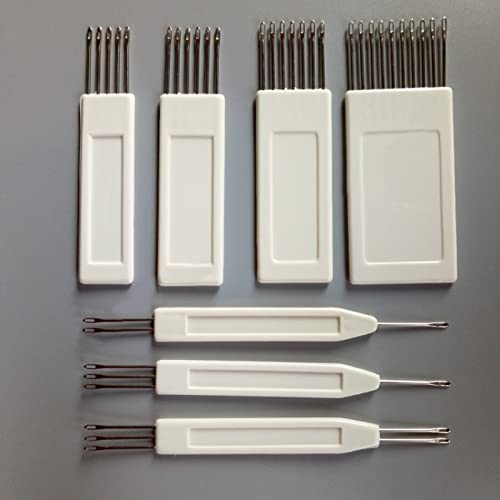
Brother machines are beloved for their robust design, but they are notoriously sensitive to oiling schedules and needle hook alignment. This maintenance set is tailored to address the specific mechanical quirks of the KH868, particularly the delicate cam systems within the carriage.
When you are working on complex punch-card designs, the carriage must move with absolute fluidity to engage the needles correctly. This set includes the specialized needle pusher and hook-cleaning tools necessary to ensure every needle moves freely through the cam track.
Don’t fall for the misconception that these machines are "set it and forget it" devices. If you neglect the lubrication points included in this set, you will eventually face sticky needles that ruin your gauge and cause frustrating dropped stitch patterns.
Passap Duomatic 80 Essential Repair Tool Suite
The Passap Duomatic 80 is a high-performance, double-bed machine that requires a different mechanical approach than standard Japanese-style machines. This repair suite focuses on the precise tension adjustments and pusher-lock maintenance that define the Passap experience.
Because this machine uses a unique pusher system to select needles, keeping those pushers clean and properly aligned is non-negotiable. This kit provides the specialized tools to reach the deep recesses of the bed where debris can hide and eventually cause selection errors.
If you are intimidated by the complexity of the Duomatic, remember that this kit is designed to demystify the machine’s internal mechanics. Use these tools to perform regular check-ups, and you will find that the machine’s legendary reliability is well worth the maintenance effort.
KnitKing Compuknit Professional Service Toolkit
The Compuknit system represents the intersection of mechanical knitting and early computing, requiring a toolkit that addresses both hardware and electronic interface issues. This service toolkit is a comprehensive collection for the advanced user who isn’t afraid to open the machine casing.
This set is particularly useful for those dealing with intermittent electronic selection problems. It includes the fine-tipped drivers and non-conductive probes necessary to inspect the internal wiring and solenoid connections that drive the pattern selection.
Always disconnect your power source before using these tools on any electronic components. While the mechanical aspects of the machine are straightforward, the electronic side demands a steady hand and a clear understanding of the machine’s schematic.
Singer Memo-Matic Machine Precision Repair Set

Singer machines are known for their unique cam-stacking and pattern-selection systems, which can be temperamental if they haven’t been serviced in decades. This precision repair set provides the specialized wrenches and alignment gauges needed to calibrate the Memo-Matic’s complex mechanical brain.
If you find that your machine is missing pattern repeats or skipping needles entirely, the issue often lies in the synchronization of the cam system. This kit allows you to perform the fine-tuned adjustments that align the pattern-selection mechanism with the movement of the carriage.
Tradeoffs exist between the ease of use and the complexity of these repairs; don’t attempt to force a stubborn dial. Instead, use the tools in this set to gently nudge components back into their factory-intended alignment.
Artisan 245 Knitting Machine Adjustment Bundle
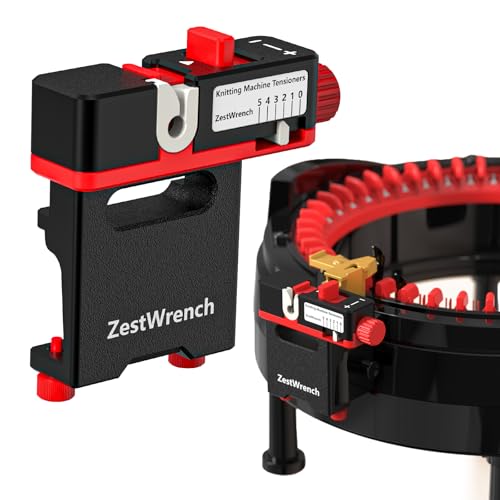
The Artisan 245 is a robust, industrial-style machine that handles thicker yarns with ease, making it a favorite for those who enjoy working with worsted or bulky fibers. This adjustment bundle focuses on the heavy-duty components that take the most strain during high-volume production.
Because you are likely working with heavier, more abrasive yarns, the needle beds and carriage brushes on an Artisan 245 can wear down faster than on fine-gauge machines. This bundle includes the high-torque drivers required to tighten the bed screws and adjust the carriage tension settings.
The key takeaway is that heavy-duty machines need heavy-duty maintenance. Regularly check the tension of your carriage brushes and needle bed springs using this kit to ensure that your bulky-weight projects maintain a uniform, professional finish.
Studio Knitting Machine Needle Selection Kit

Needles are the most frequently replaced part on any knitting machine, and having a dedicated selection kit is essential for seamless operation. This kit provides a variety of needle types, including standard, high-shank, and specialized transfer needles for lace work.
Choosing the right needle is a direct reflection of your project’s fiber content and desired drape. If you are knitting with a high-twist superwash wool, you might prefer a slightly more polished needle tip to prevent snagging during the transfer process.
Keep in mind that not all needles are created equal; always ensure that your replacements match the specific gauge and model of your machine bed. A single bent needle can cause a cascade of dropped stitches, so keep this kit within arm’s reach at all times.
Essential Tools for Daily Machine Maintenance
Regardless of your machine model, there are three non-negotiables for daily upkeep: a high-quality machine oil, a stiff-bristled lint brush, and a soft microfiber cloth. These items should be used before every session to ensure the carriage glides effortlessly across the bed.
Never use household lubricants like WD-40, which can gum up the internal mechanisms and attract more dust over time. Always opt for a dedicated knitting machine oil that is formulated to stay in place without staining your delicate fiber projects.
A quick five-minute routine of brushing out the needle beds and applying a drop of oil to the carriage tracks will save you hours of troubleshooting later. Treat your machine with the same care you give your favorite hand-knitted sweater, and it will reward you with years of trouble-free service.
How to Troubleshoot Common Carriage Problems
If your carriage suddenly feels "gritty" or refuses to move, stop immediately and check for a jammed needle or a buildup of yarn fibers in the cam track. Most carriage issues are caused by simple obstructions that can be cleared with a pair of long-nosed tweezers or a thin pick.
If the carriage is moving but failing to knit, inspect the sinker plate to ensure that the gates are not bent or obstructed. Often, a simple adjustment of the tension dial or a quick cleaning of the cam-actuating levers is all that is required to restore proper function.
Avoid the temptation to force the carriage through a jam, as this can permanently damage the sensitive plastic or metal cams. If the resistance persists after a thorough cleaning, it is time to consult your service manual or a professional technician.
Best Practices for Long-Term Machine Storage
When you aren’t using your machine, it must be protected from environmental factors like humidity and dust, which are the primary enemies of mechanical precision. Always cover your machine with a breathable fabric cover and, if possible, store it in a temperature-controlled room.
Before putting your machine away for an extended period, perform a final deep cleaning and apply a very light coat of oil to the needle beds to prevent oxidation. This small step prevents the development of rust spots that can snag your yarn the next time you cast on.
If you live in a particularly humid climate, consider placing moisture-absorbing silica packets near the machine bed during storage. By creating a stable environment, you ensure that your equipment remains ready for your next creative project whenever inspiration strikes.
Mastering the maintenance of your knitting machine is a rewarding skill that deepens your relationship with your craft. By curating a dedicated tool kit and sticking to a consistent care routine, you turn your machine into a reliable partner for your most ambitious designs. Remember that every machine has its own personality, and learning to read its mechanical cues is part of the journey. Keep your tools organized, your machine clean, and your needles sharp to ensure that your knitting remains as fluid and enjoyable as possible.