
6 Best Carriage Lubricants For Smooth Operation
Maintain peak performance with our top 6 carriage lubricants. Discover the best formulas to ensure smooth, reliable operation and extend your equipment’s life.
There is nothing more frustrating than mid-row resistance when you are in the flow of a complex cable pattern. A sticking carriage doesn’t just slow you down; it puts unnecessary strain on your needles and can lead to uneven stitch formation. Choosing the right lubricant is the difference between a machine that purrs and one that fights you at every pass. Here are the top choices to keep your equipment running at its peak.
Singer 100% Pure Silicone Oil: Best Overall Choice
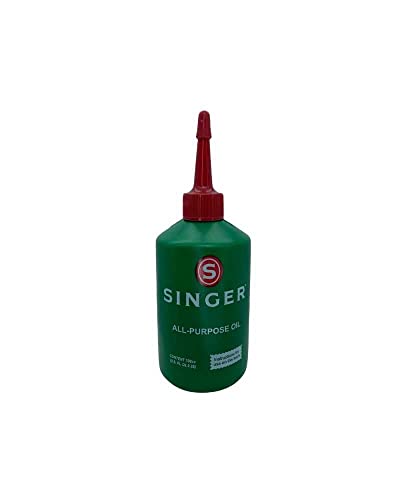

Singer 100% Pure Silicone Oil is a staple in the knitting world for a reason. Because it is non-gumming and clear, it won’t attract the dust and lint that inevitably float around your knitting studio.
I recommend this for newer knitters who are still learning the mechanics of their machine. It is incredibly forgiving and won’t stain your delicate wool or mohair yarns if a stray drop happens to hit the needle bed.
The primary trade-off is its viscosity, which is quite light. You will find yourself needing to reapply it more frequently than a heavy synthetic grease, but the trade-off is a cleaner machine over the long term.
Brother Knitting Machine Oil: The Industry Standard
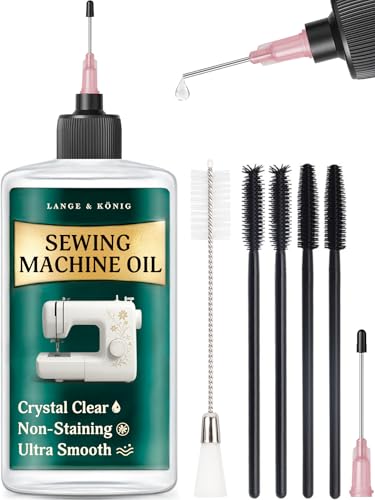
Brother oil is the gold standard for those of us who grew up on vintage punch-card machines. It is specifically formulated to interact with the metal-on-metal friction points found in Japanese knitting machines.
This oil is incredibly thin, allowing it to wick into the tightest crevices of your carriage’s cam system. If you are working on a project with a high stitch count, like a full-length sweater, this oil ensures the carriage doesn’t heat up from friction.
Be aware that this is a mineral-based oil, not a synthetic. It is excellent for performance, but it can eventually attract debris if you over-apply it. Use it sparingly—just a tiny drop goes a long way.
Super Lube Synthetic Grease: Best Heavy-Duty Option

When I’m restoring a machine that has been sitting in an attic for a decade, Super Lube is my go-to choice. This isn’t an oil; it is a synthetic grease that stays exactly where you put it.
It is perfect for the internal gears and tracks of the carriage where oil would simply drip away. Because it is food-grade and non-toxic, you don’t have to worry about the chemical odor that some industrial lubricants leave behind in your workspace.
The catch is that grease is a magnet for lint. If you use this on the needle bed, you will eventually have a sticky mess of fiber and grease; keep this strictly to the internal carriage mechanisms.
Zoom Spout Sewing Machine Oil: Best Precision Tip
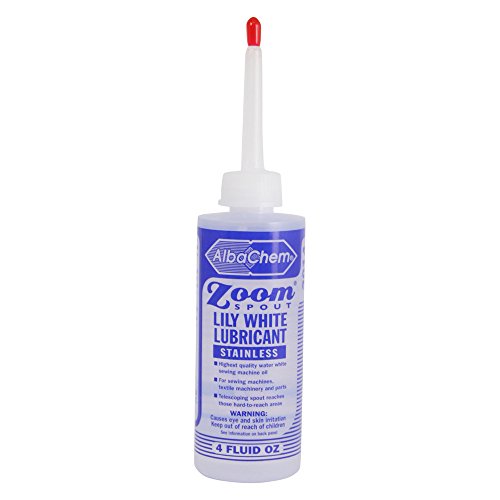
The Zoom Spout is essentially a game-changer for those of us with shaky hands or tight workspaces. The extendable spout allows you to reach deep into the carriage housing without taking the entire machine apart.
This is the best choice for the "knitter on the go" who needs to perform quick maintenance between projects. It provides a clean, controlled application that prevents the "pooling" of oil that often leads to stained fabric.
While the delivery system is the best in the business, the oil itself is a standard high-quality lubricant. It is reliable and consistent, making it a great middle-ground choice for almost any machine model.
Tri-Flow Superior Lubricant: Best For Metal Rails
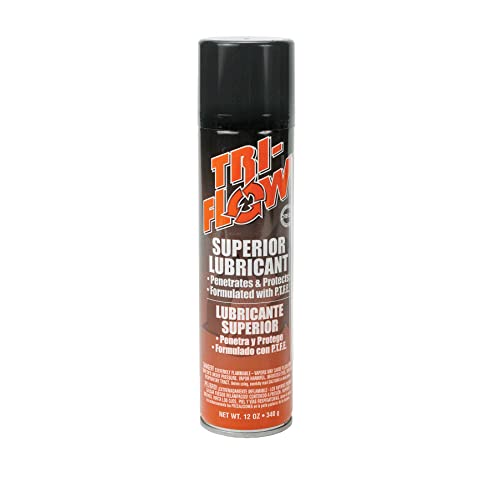
Tri-Flow is unique because it contains Teflon, which creates a microscopic barrier between the carriage and the metal rails. If you feel a "gritty" sensation when sliding your carriage, this is the product to reach for.
It is excellent at breaking down old, hardened oil residue. If you have inherited a machine with "gunked up" rails, Tri-Flow will help clean and lubricate in a single pass.
However, it is a bit more aggressive than standard sewing machine oils. I suggest wiping the rails down thoroughly with a dry cloth after application to ensure no excess residue ends up on your yarn.
Liberty Oil Synthetic Blend: Best Rust Protection

If you live in a humid climate, you know that rust is the silent enemy of your knitting machine. Liberty Oil is a high-grade synthetic blend designed specifically to prevent oxidation on precision metal parts.
It is incredibly stable, meaning it won’t break down or lose its viscosity even if your machine sits idle for several months. It is my top recommendation for seasonal knitters who might put their machine away during the summer.
Because it is a synthetic blend, it is slightly more expensive than basic mineral oils. Think of it as an insurance policy for your machine’s longevity rather than just a simple lubricant.
Why Proper Lubrication Matters for Your Carriage
A knitting machine carriage is a complex assembly of cams, springs, and levers. Every time you pass the carriage across the bed, these parts move in precise synchronization to knit, tuck, or slip your yarn.
Without lubrication, friction generates heat, which can cause metal parts to expand slightly and bind. This binding is what leads to dropped stitches and uneven gauge, particularly when working with high-tension yarns like cotton or linen.
Consistent maintenance also prevents premature wear on the carriage’s plastic or metal components. It is much easier to apply a drop of oil than it is to source a replacement part for a machine that is no longer in production.
Understanding Silicone vs. Petroleum Lubricants
The debate between silicone and petroleum-based lubricants is as old as the machines themselves. Silicone oils are generally chemically inert, meaning they won’t react with the plastics or rubbers in your machine.
Petroleum-based oils, like traditional sewing machine oils, offer superior metal-on-metal protection. They are excellent for heavy-duty use but can eventually degrade certain types of older, brittle plastic gaskets.
- Silicone: Best for light-duty, frequent use; safe for plastics.
- Petroleum: Best for high-friction metal parts; provides a thicker protective film.
How to Safely Apply Oil to Your Machine Rails
The biggest mistake I see beginners make is over-oiling. Your machine does not need to be swimming in oil; in fact, excess oil is the primary cause of stained knitting projects.
Always clean the rails first with a lint-free cloth to remove old residue and dust. Apply a single drop of oil to a cloth, then wipe the rails down; this ensures a thin, even layer rather than a puddle.
After applying, run the carriage back and forth across the bed ten or fifteen times without yarn. This distributes the lubricant evenly and allows you to wipe away any excess that gets pushed to the ends of the rails.
Troubleshooting Common Carriage Sticking Issues
If your carriage is sticking, the first culprit is almost always a buildup of lint mixed with old oil. Check the underside of the carriage for "fuzz bunnies" that have been compressed into the cam tracks.
If the machine is clean and still sticking, check the rails for tiny nicks or burrs. Sometimes a dropped needle can cause a microscopic dent in the metal that catches the carriage every time it passes.
Finally, consider the temperature of your room. If it is freezing in your studio, the oil in your machine may have thickened, causing the carriage to feel sluggish. A little warmth and a fresh application of light oil usually solve the problem.
Keeping your carriage running smoothly is a simple habit that pays off in every stitch you create. By choosing the right lubricant for your specific environment and machine type, you ensure that your equipment remains a reliable partner in your craft. Remember that a clean, well-oiled machine is the foundation of a stress-free knitting experience. Treat your tools with care, and they will help you produce beautiful, consistent fabric for years to come.