7 Best Yarn Swifts For Skein Unwinding Worth Having
Discover the 7 best yarn swifts to streamline your knitting. This guide highlights top models that ensure tangle-free winding for every skein you own.
There is nothing quite as heartbreaking for a knitter as spending an hour untangling a hand-dyed skein of merino wool because it collapsed into a chaotic bird’s nest. A yarn swift is the unsung hero of the craft room, transforming a loose hank of fiber into a manageable, winding-ready loop in seconds. Investing in a quality swift isn’t just about convenience; it’s about preserving the integrity of your yarn and saving your sanity for the actual knitting. Here are the top tools that will turn your yarn prep from a dreaded chore into a seamless part of your creative process.
Stanwood Needlecraft Wooden Umbrella Swift


The Stanwood umbrella swift is widely considered the gold standard for home knitters who frequently work with delicate fibers like silk or alpaca. Its sturdy construction and smooth rotation prevent the "jerking" motion that can inadvertently stretch or damage fine, high-twist yarns.
When you are winding a precious, hand-dyed lace weight yarn, the last thing you want is uneven tension. This swift provides a consistent, fluid spin that allows your ball winder to do its job without snapping a strand.
If you find yourself winding large 100-gram hanks regularly, the stability of this model is worth the investment. It minimizes the risk of the swift wobbling or tipping over, which is a common frustration with cheaper, lighter alternatives.
Knit Picks Yarn Swift: Best Budget Option
If you are a casual knitter or someone just starting to build their stash, the Knit Picks umbrella swift offers a reliable entry point. It is lightweight, portable, and gets the job done without the hefty price tag of high-end wooden models.
While it lacks the heavy-duty weight of premium swifts, it is perfectly adequate for standard wool blends and acrylics. It collapses down to a compact size, making it ideal for knitters who need to stow their tools away in a small craft bin after winding.
Just keep in mind that with lighter weight comes a bit less stability. You may need to secure it firmly to a sturdy table to ensure it doesn’t shift during high-speed winding sessions.
Amish Style Wooden Yarn Swift by Lacis

The Amish-style swift is a completely different beast, operating on a horizontal, rotating cross-arm mechanism rather than an umbrella-style expansion. Because it relies on gravity and friction-free movement, there are no metal parts to snag your yarn.
This design is a favorite among knitters who work with very large or irregular skeins. It is incredibly easy to set up; you simply adjust the wooden pegs to match the circumference of your yarn and let it spin.
Because it sits flat on a table, it is often more stable than vertical models. It is a fantastic choice if you have limited vertical space or prefer a tool that feels like a piece of heirloom furniture.
ChiaoGoo Natural Wood Yarn Swift Review
ChiaoGoo is a brand synonymous with quality needles, and their wooden swift follows that same tradition of precision engineering. The wood is sanded to a glass-smooth finish, ensuring that even the most delicate, snag-prone fibers glide off without catching.
This swift is particularly well-suited for knitters who struggle with "yarn drag." When you are winding a long project, like a sweater, the smooth rotation keeps the flow constant, which helps maintain the loft and bounce of the yarn.
The aesthetic appeal of the natural wood is a nice bonus, but the real value is in the mechanical consistency. It is a tool designed to last for decades, provided you treat the wood with the same care you would your favorite needles.
Strauch Jumbo Ball Winder and Swift Combo
If you are a serious knitter or a dedicated spinner who deals with massive quantities of fiber, a combo system is a game-changer. The Strauch system is built to handle the weight and volume of jumbo skeins that would cause standard swifts to buckle.
This is not a budget purchase, but it is an efficiency powerhouse. By integrating the swift and winder, you create a dedicated "winding station" that makes processing large quantities of yarn feel like a professional operation.
If you frequently purchase yarn in "sweater quantity" hanks, the time saved here is immense. It eliminates the need for constant repositioning and allows for a much more rhythmic, stress-free winding experience.
NAKAN Wooden Umbrella Swift for Skeins

The NAKAN swift is a solid, reliable workhorse that strikes a balance between professional-grade durability and home-user accessibility. It features a robust clamping mechanism, which is essential for keeping the tool anchored while you work.
Many knitters overlook the importance of the clamp, but a weak attachment point can ruin a winding session. The NAKAN’s grip ensures that even when you are winding quickly, the swift stays exactly where you put it.
It is an excellent choice for the intermediate knitter who has moved past basic projects and is ready to invest in tools that won’t require replacing in a year. It handles a wide range of yarn weights, from cobweb lace to chunky, single-ply wool.
Ashford Table Clamp Yarn Swift Excellence

Ashford is a legendary name in the spinning and weaving world, and their table clamp swift reflects that heritage. This model is exceptionally well-balanced, providing a smooth, silent rotation that is almost meditative to watch.
The table clamp is designed with a wide aperture, meaning it fits onto almost any table thickness, from thin folding tables to thick dining room surfaces. This versatility is a major plus for knitters who don’t have a dedicated craft room.
If you value precision and longevity, this is a top-tier choice. It is a tool that feels substantial in the hand and performs with a level of reliability that gives you total confidence when handling expensive, luxury fibers.
How to Properly Set Up Your Yarn Swift
Proper setup is the difference between a smooth wind and a tangled mess. Always ensure your swift is centered on the table and that the distance between the swift and your ball winder is at least two feet.
This distance allows the yarn to travel at a slight angle, which prevents it from jumping off the swift’s arms. If the yarn is too close, you will find yourself constantly stopping to fix loops that have fallen off the pegs.
Before you start, check that the skein is properly twisted onto the pegs. Ensure the swift is expanded just enough to hold the yarn taut, but not so tight that you are stretching the fiber.
Essential Tips for Winding Tangled Skeins
Even with the best swift, some hanks are wound poorly at the mill and contain hidden knots. If you feel resistance while winding, stop immediately; do not try to "power through" the tension.
Always keep your fingers near the yarn as it travels to the winder. This allows you to feel for knots or snags before they reach the winder’s tension guide, where they could potentially snap the yarn or cause a jam.
If you encounter a major tangle, take the time to untwist it by hand before proceeding. It is always faster to spend five minutes fixing a tangle than to spend an hour trying to knit with a yarn that has been pulled and stressed by a winder.
Maintenance Guide for Your Yarn Swift Tools
Wooden swifts require very little maintenance, but a light dusting is essential to keep the rotation smooth. Avoid using harsh cleaners; a simple dry cloth is usually enough to keep the wood clean and free of debris.
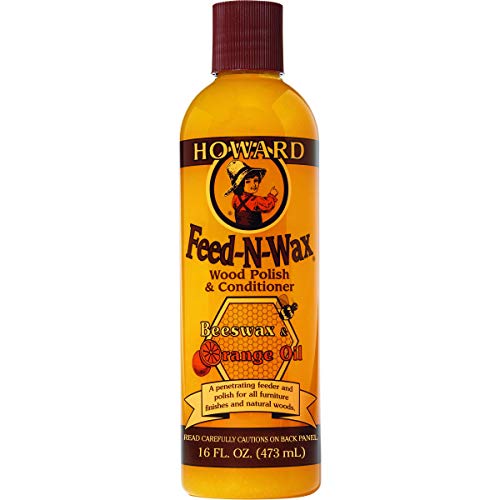
If your swift begins to squeak or move sluggishly, a tiny drop of furniture wax or a specialized wood lubricant can work wonders. Never use heavy oils that could transfer to your yarn and stain delicate fibers.
When not in use, always collapse your swift and store it in a cool, dry place. Humidity can cause wood to warp over time, so keeping it away from extreme temperature fluctuations will ensure it stays perfectly balanced for years to come.
Choosing the right yarn swift is about matching your specific habits to the tool’s design. Whether you opt for the sturdy reliability of an umbrella-style swift or the gravity-based simplicity of an Amish design, you are making a commitment to better yarn care. By taking the time to set up your workspace correctly and maintaining your tools, you ensure that every skein you wind is ready for the needles. Happy winding, and may your yarn always flow smoothly from swift to ball.