7 Best Wooden Buttons For Garment Closures To Try
Discover the top seven wooden buttons for your garments. This guide explores durable, stylish options that add a natural, elegant touch to any sewing project.
Choosing the right button is the final, decisive step that transforms a handmade project into a polished heirloom piece. While plastic buttons are functional, wood brings a tactile warmth and organic character that synthetic materials simply cannot replicate. A well-selected wooden button can elevate a simple garter-stitch cardigan from basic to boutique. Understanding how different woods and finishes interact with your fiber choice is the secret to a professional-grade finish.
Rowan Olive Wood Buttons: The Classic Choice


Olive wood is prized for its high density and striking, swirling grain patterns. These buttons are exceptionally durable and possess a natural sheen that improves with age and handling.
Because olive wood is so hard, it resists cracking even under the tension of a frequently buttoned garment. This makes them a reliable choice for items that see daily wear, like your favorite fall sweater.
The trade-off here is weight; these are heavier than bamboo or resin alternatives. If your knit is a delicate, lightweight lace, these buttons might pull on the fabric and distort your buttonholes over time.
CocoKnits Bamboo Buttons: Best Sustainable Pick
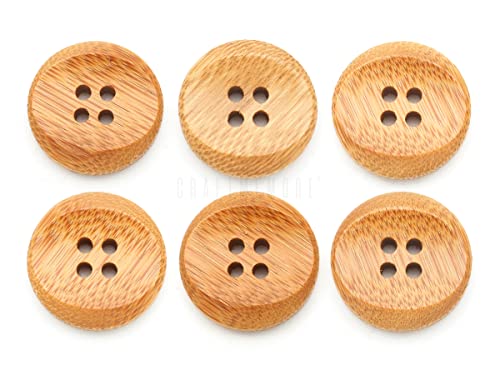
Bamboo is a fast-growing, renewable resource that offers a lightweight and surprisingly strong alternative to hardwoods. These buttons are ideal for knitters who prioritize eco-conscious materials without sacrificing style.
Their light, matte finish pairs beautifully with rustic, earthy wools like Shetland or Highland yarns. Because they are so light, they won’t cause your button band to sag, which is a common frustration with heavier decorative buttons.
Keep in mind that bamboo can be more porous than treated hardwoods. Avoid using these on garments that require frequent, heavy-duty washing, as the wood may eventually absorb moisture or lose its smooth finish.
Katrinkles Laser Cut Birch: Best Custom Detail
Katrinkles has revolutionized the market by offering intricate, laser-cut designs that you just can’t find in mass-produced options. From custom logos to whimsical shapes, these buttons serve as a signature detail for your work.
Birch is a relatively soft wood, which allows for the fine detail work seen in these designs. However, this softness means you should be cautious when threading them; avoid using overly thick or abrasive needles that might snag the delicate edges of the cutouts.
These are best suited for decorative purposes or light-use garments. If you are gifting a sweater, a custom-engraved button adds a level of intentionality that signals true craftsmanship.
Dill Wood Toggles: The Best for Chunky Knits

When you are working with super-bulky yarn or heavy cables, a standard button often feels undersized and overwhelmed. Toggles provide a secure closure that is easy to manipulate with cold hands.
Dill’s wooden toggles are shaped to slide easily through large, hand-knit loops. The elongated shape distributes the stress of the closure across a wider area of the fabric, preventing the "puckering" effect often seen with heavy round buttons.
Ensure your buttonhole is reinforced with a bit of extra yarn or a slip stitch if your yarn is prone to stretching. A toggle is only as secure as the structure of the buttonhole it passes through.
Jimmi’s Handcrafted Walnut: Best Artisan Option
Handcrafted walnut buttons offer a rich, deep color palette that adds a sophisticated, dark contrast to lighter-colored wools. The artisanal finish usually includes a natural oil or wax coating, which feels soft and premium to the touch.
Because these are handmade, expect slight variations in size and shape. This is part of their charm, but it means you should double-check that each button fits through your specific buttonholes before you commit to sewing them on.
These are an investment piece. Reserve them for your "showstopper" projects, such as a hand-spun sweater or a complex colorwork cardigan that you’ve spent months completing.
Prym Natural Wood Buttons: Best Value Selection

Prym is a staple in the sewing and knitting world for a reason: they offer consistent quality at a price point that makes it easy to stock up. Their natural wood buttons are reliable, uniform, and widely available.
If you are a beginner, these are the perfect starting point. You don’t have to worry about the heartbreak of ruining an expensive artisan button while you are still mastering the art of the shank or the secure knot.
They are generally treated with a light lacquer, which makes them more water-resistant than raw wood. They are a safe, "set-it-and-forget-it" choice for everyday cardigans and children’s wear.
ButtonMode Sanded Oak: Best for Heavy Garments
Oak is an incredibly sturdy, tight-grained wood that can handle the weight of dense, heavy-gauge wools. If you are knitting a coat or a heavy-duty fisherman’s sweater, you need a button that can withstand the structural load.
The sanded finish on these buttons is smooth to the touch, ensuring they won’t catch on your yarn fibers. A snagged button can lead to a pulled stitch, which is a disaster on a complex sweater.
Because oak is so dense, these buttons are quite heavy. Always reinforce the back of your button band with a small piece of ribbon or a "stay button" on the inside of the garment to prevent the weight from tearing the knitting.
How to Choose the Right Button Size for Your Knit
The most common mistake knitters make is choosing a button that is too large for the buttonhole, resulting in stretched-out, misshapen openings. A good rule of thumb is to measure the button’s diameter and ensure your buttonhole is roughly 1/8 inch larger.
Consider the "loft" or thickness of your yarn. A fluffy, mohair-blend cardigan will require a smaller button than a tightly twisted, worsted-weight wool, as the mohair will naturally fill in the gaps of the buttonhole.
Always test your button through the hole before sewing it down. If the button has to be forced through, it will eventually snap your yarn fibers or distort your buttonhole band permanently.
Tips for Sewing Wooden Buttons to Prevent Wear
Never sew a button directly flush against the fabric if you want the garment to hang correctly. Use a "shank" — a small space between the button and the fabric — created by wrapping your thread around the stitches under the button.
This space allows the buttonhole band to sit neatly underneath the button without bunching up. If you don’t create a shank, the fabric will inevitably pull and pucker every time you button the garment.
Use a sturdy, non-stretchy thread, such as a mercerized cotton or a dedicated buttonhole thread. Avoid using the same yarn you knitted with, as it is often too elastic and will cause the button to sag over time.
How to Care for Wood Buttons During Laundering
Wood is a natural material that reacts to water and heat. If possible, remove your wooden buttons before washing your knit, especially if you are soaking the garment in a wool wash.
If the buttons are sewn on permanently, avoid soaking them for long periods. Instead, spot-clean the garment or use a quick, gentle hand wash in cool water, ensuring the buttons are dried immediately afterward.
Periodically, you can rub a tiny drop of food-safe mineral oil or beeswax onto the wood to keep it from drying out or splintering. This simple maintenance will keep your buttons looking vibrant and prevent them from becoming brittle over the years.
Selecting the perfect wooden button is about balancing the structural needs of your knit with the aesthetic vision you have for the piece. Whether you choose the rugged durability of oak or the delicate beauty of laser-cut birch, the right choice will honor the hours you spent at your needles. Treat your buttons as a final, essential component of your design, and your garments will reflect that care for years to come. Happy knitting, and may your closures always be as secure as they are stylish.