6 Best Bead Mats For Protecting Delicate Surfaces
Protect your workspace with our top six bead mats. These essential tools prevent rolling, reduce noise, and safeguard delicate surfaces while you craft.
Every fiber artist knows the frustration of watching a tiny, expensive glass bead roll off a table and vanish into the abyss of a carpet. Just as we use project bags to protect our delicate hand-dyed yarns from snagging, we need reliable surfaces to corral our smaller components. A quality bead mat isn’t just a workspace; it is an essential tool for maintaining your sanity during complex bead-knitting or embroidery projects. These six options will ensure your materials stay put while keeping your furniture pristine.
BeadSmith Velour Bead Mat: Best Overall Choice


The BeadSmith Velour mat is a staple in the craft world for a reason. Its soft, plush surface creates enough friction to stop round beads from rolling away, yet it remains gentle enough to handle delicate crystals or pearls without risk of scratching.
Think of this like the perfect blocking mat for your beads. The velour texture provides a consistent "grip" that mimics the way a wool fiber holds onto a stitch, preventing those frustrating "runaway" moments when you’re working with tiny 11/0 seed beads.
It is lightweight and portable, making it an excellent companion if you take your projects to knitting guild meetings or local stitch groups. While it may attract a bit of lint over time, a quick swipe with a lint roller keeps it in top shape.
Darice Beading Design Board: Best For Layouts
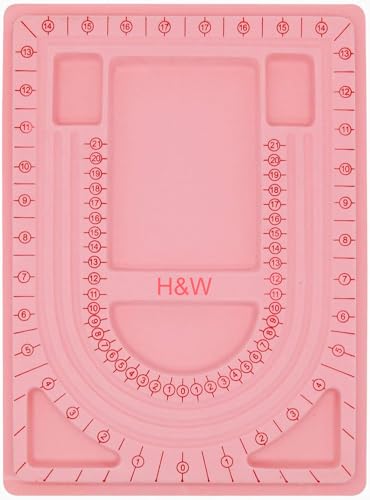
If you’ve ever laid out a complex stranded colorwork pattern before picking up your needles, you’ll appreciate the logic of the Darice design board. These boards feature U-shaped channels that allow you to plan your bead placement before you ever thread them onto your yarn.
This is particularly useful for bead-knitting projects where you need to pre-string beads in a specific sequence. By laying them out in the channel, you can visualize the color repeat and ensure your sequence is correct before committing to the labor of stringing.
The flocking on these boards is durable, though it lacks the "cushion" of a pure mat. It’s a tool designed for structure rather than comfort, so keep that in mind if you prefer a softer surface under your wrists.
Cousin DIY Foam Bead Mat: Best Budget Option

Sometimes, the simplest tools are the most effective. The Cousin DIY foam mat is an inexpensive, no-frills option that does exactly what it promises: it keeps your beads from bouncing off the table.
Because it is made of foam, it has a slight "give" that is very forgiving on your hands during long beading sessions. If you’ve spent hours working with fine-gauge needles, you know how important ergonomic support is; this mat provides a soft landing for your hands.
The trade-off here is longevity. Foam can eventually develop indentations or lose its grip, but at this price point, it’s easily replaceable. It’s an ideal "starter" mat for anyone just beginning to incorporate beads into their fiber work.
Beadalon Tacky Bead Mat: Best For Bead Grip

The Beadalon Tacky mat is essentially the "super-grip" option of the bunch. It uses a specialized surface that holds beads firmly in place, even if you accidentally nudge your table while reaching for your scissors or a spare circular needle.
This is a game-changer if you work with heavy beads that tend to slide or roll on standard fabrics. The tacky surface acts almost like a magnet, providing a level of security that allows you to focus entirely on your tension and stitch count.
Be aware that "tacky" means it will also pick up dust and stray fibers from your yarn. You will need to rinse it with water periodically to restore its grip, but for the stability it offers, that maintenance is a small price to pay.
Soft Flex Company Bead Mat: Best Durability

When you invest in high-quality materials, you want tools that won’t fray or degrade after a few months of heavy use. The Soft Flex bead mat is known for its sturdy construction and consistent texture, which doesn’t pill or shed fibers into your project.
In the knitting world, we often talk about the "memory" of a yarn; this mat has a similar quality in that it maintains its shape and surface tension over years of use. It’s a reliable, professional-grade surface that won’t let you down in the middle of a complex row.
It’s slightly thicker than other options, which adds a bit of stability if your workspace is prone to wobbling. If you’re a serious maker who beads as often as you knit, this is a long-term investment worth making.
Griffin Non-Slip Beading Mat: Best Stability

The Griffin mat excels at staying exactly where you put it. It features a specialized backing that prevents the mat itself from sliding across your table, which is a common annoyance when you’re leaning over a project to focus on fine detail work.
Stability is key when you are working with delicate silk or mohair yarns that snag easily. You don’t want your mat shifting and causing your needle tips to catch on the edge of the table or, worse, sending your beads flying.
This mat offers a perfect balance of surface grip for the beads and anti-slip backing for the workspace. It’s a subtle feature, but one that makes a massive difference in your overall comfort and workflow.
Why Bead Mats Protect Your Delicate Surfaces
Beads, especially those made of glass, crystal, or stone, are surprisingly hard and abrasive. Without a mat, sliding them across a wooden table or a glass desk can cause micro-scratches that ruin the finish of your furniture over time.
Furthermore, a mat prevents the "clatter" of beads, which can be distracting during a long knitting session. It creates a quiet, controlled environment that allows you to focus on the rhythmic meditative nature of your craft.
Finally, a mat protects the beads themselves. Dropping a delicate glass bead onto a hard surface is a recipe for a chip or a crack; a padded mat provides the necessary impact absorption to keep your materials pristine.
Essential Features To Look For In A Bead Mat
When choosing a mat, consider the scale of your projects and the type of beads you use most often. Look for these critical features:
- Surface Texture: Does it have enough friction to stop round beads from rolling?
- Anti-Slip Backing: Will the mat stay put on your table, or will it slide around?
- Size: Is it large enough to hold your project, your beads, and your tools simultaneously?
- Ease of Cleaning: Can you easily remove stray yarn fibers or dust?
Always prioritize a surface that feels comfortable against your skin. You will be resting your wrists on this mat for hours at a time, so avoid materials that feel scratchy or irritating.
How To Clean And Maintain Your Beading Mats
Most bead mats can be revitalized with a simple cleaning routine. For velour or fabric-based mats, a lint roller is your best friend for removing stray fibers or pet hair that inevitably migrate into your workspace.
If your mat is losing its grip, a gentle wash with mild dish soap and warm water usually does the trick. Rinse it thoroughly and allow it to air dry completely before using it again, as moisture trapped beneath the mat can damage your table surface.
Avoid using harsh chemicals or abrasive scrubs, as these will destroy the specialized surface texture. Treat your mat with the same care you would give to your favorite set of wooden needles, and it will last for years.
Frequently Asked Questions About Bead Mats
Do I really need a bead mat if I’m just using a few beads? Yes. Even a small number of beads can roll away, and a mat provides a designated "safe zone" that keeps your workspace organized.
Can I use a piece of felt instead of a professional mat? Felt is a decent substitute, but professional mats are engineered with specific densities and backings that outperform standard craft felt in both grip and stability.
Will the mat leave a residue on my beads? High-quality bead mats are designed to be inert. As long as you keep them clean and free of dust, they will not transfer any residue to your materials.
Integrating beads into your knitting adds a beautiful layer of texture and light, but it requires the right infrastructure to keep your process smooth and stress-free. By choosing a mat that suits your specific workspace and project needs, you protect both your precious materials and your furniture. Whether you go for the plush comfort of a velour mat or the tactical grip of a tacky surface, you are making a smart investment in your creative longevity. Happy stitching, and may your beads always stay exactly where you place them.