6 Best Needle Grips For Sore Hands To Use Daily
Discover the 6 best needle grips to ease hand pain during daily sewing. Learn which ergonomic tools reduce strain and improve comfort for long-term projects.
Knitting should be a source of joy and relaxation, not a catalyst for physical discomfort or repetitive strain. Over two decades at the craft, I have seen countless knitters push through hand pain, assuming it is simply the "price of admission" for a finished sweater. The truth is that your choice of tools is the single most significant factor in how your hands feel after a long session. By selecting the right needles, you can transform your knitting experience from a chore into a seamless, pain-free flow.
Addi Comfort Grip Needles: The Ergonomic Choice
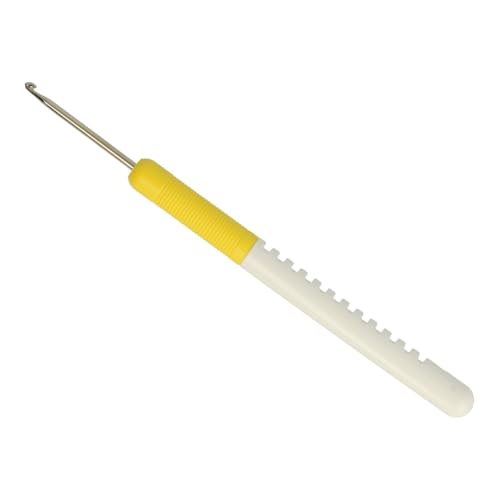

These needles feature a unique, slightly contoured handle that encourages a more relaxed grip. If you find yourself white-knuckling your needles during complex cable work, this subtle shift in shape can be a game-changer.
The added surface area allows you to hold the needle with a lighter touch, effectively distributing pressure across your palm rather than concentrating it in your fingertips. It is an excellent choice for those who suffer from mild arthritis or carpal tunnel symptoms.
However, the thicker handle can feel bulky to knitters accustomed to traditional, thin needles. If you have smaller hands, you may find that the extra girth actually increases fatigue over time.
Clover Takumi Bamboo Needles: Lightweight Ease

Bamboo is naturally lighter than metal, which significantly reduces the weight your wrists must support during a marathon knitting session. When you are working on a heavy, wool-laden afghan, that reduction in weight is palpable.
The "grippiness" of bamboo is also a major advantage for those with slicker, more slippery yarn types like silk or bamboo blends. Because the yarn doesn’t slide off the needles as easily, you don’t have to tense your muscles to "catch" the stitches constantly.
Keep in mind that bamboo tips can be prone to wear and tear if you are a very tight knitter. If you notice your tips becoming rough or splintered, it’s time to lightly sand them or consider a transition to a coated wood needle.
ChiaoGoo Twist Red Lace: For Reduced Tension
The secret to these needles lies in their precision-engineered, sharp tips. By allowing you to easily pick up even the tightest stitches, you spend less time wrestling with the yarn.
When you can insert your needle with minimal effort, you naturally maintain a more relaxed tension. This is essential for lace work or intricate patterns where constant manipulation of the yarn can lead to cramping.
While the stainless steel is incredibly durable, it is also very slick. If you struggle with tension control, you might find that your stitches slide off too quickly, forcing you to grip the needles tighter than intended.
Knitter’s Pride Ginger Needles: Smooth Surface

These needles are crafted from a warm, densified laminated wood that feels soft and comfortable against the skin. Unlike cold metal, the wood retains a bit of your body heat, which can be soothing for stiff or achy joints.
The surface is polished to a high sheen, offering a "middle-ground" experience between the grip of bamboo and the speed of metal. This makes them versatile enough for both rustic wools and slippery synthetics.

Be aware that because they are made of wood, they are not as rigid as steel. If you are a high-tension knitter, you might notice a slight flex in the needle, which could be distracting or uncomfortable for some.
Lykke Driftwood Needles: Gentle on the Joints
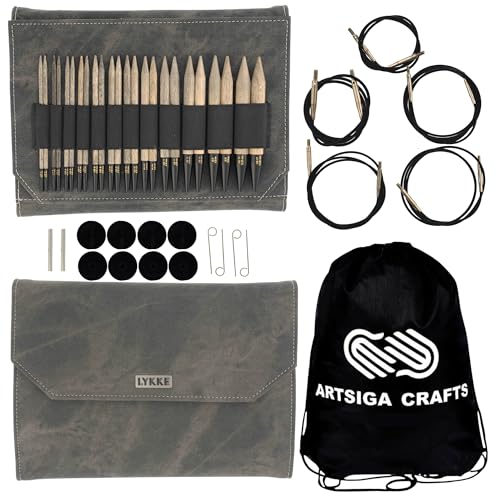
Lykke needles are famous for their smooth, grey-toned birch wood finish that feels almost like velvet in the hands. This tactile quality makes them a favorite for knitters who find the "clack" and coldness of metal needles physically irritating.
The weight is perfectly balanced, providing enough heft to feel substantial without causing wrist fatigue. They are particularly well-suited for long-term projects where you want a consistent, meditative rhythm.
Because they are a natural material, they are susceptible to breakage if you sit on them or keep them in a crowded bag. Always store them in their case to protect the integrity of the wood.
Kollage Square Needles: Best for Hand Strain
Square needles are a revelation for anyone dealing with hand pain or joint stiffness. The flat sides provide a natural "shelf" for your fingers, meaning you don’t have to exert as much pressure to maintain your grip.
Many knitters find that the square shape leads to more even, consistent stitches. Because the needle doesn’t rotate in your hand, you are less likely to experience the uneven tension that often comes from constant micro-adjustments.
There is a brief learning curve when switching to square needles, as they feel different in the palm. Give yourself a few hours of practice before deciding if they are the right fit for your specific grip style.
Why Ergonomic Needles Prevent Knitting Fatigue
Fatigue often stems from "over-gripping," a common habit where we hold our needles much tighter than necessary. Ergonomic needles are designed to interrupt this habit by providing a surface that is easier to hold or a weight that is easier to manage.
When your needles are too thin or too slick, your hands work overtime to compensate. Over hours of knitting, those tiny muscular compensations add up to significant soreness and inflammation.
The goal is to find a needle that feels like an extension of your hand rather than a tool you are fighting. If your hands feel tired after only twenty minutes, it is time to experiment with a different shape or material.
How Needle Material Affects Your Hand Comfort
The material of your needle dictates how much "work" your hands have to do to keep the yarn in place. Metal needles are fast and slick, which is great for speed but requires a firmer grip to prevent dropped stitches.
Wood and bamboo needles provide natural friction, which is ideal for slippery yarns or for knitters who need a more controlled pace. This friction acts as a stabilizer, allowing your hands to relax more during the stitch-forming process.
Choosing the right material is a balance between the speed you desire and the physical effort you are willing to exert. If you are prone to hand pain, always lean toward materials that offer a bit more grip and warmth.
Tips for Adjusting Your Grip to Save Hands
One of the most effective ways to save your hands is to practice the "flick" or "lever" knitting style, which reduces the amount of movement in your wrists. Focus on moving only your fingers and keeping your wrists neutral.
Take frequent "micro-breaks" every fifteen minutes. Drop your hands to your sides, shake them out gently, and take a deep breath to release the tension that builds up in your shoulders and neck.
If you find yourself gripping the needles tightly, try switching to a circular needle, even for flat projects. The weight of the project rests on the cable in your lap rather than on your wrists, significantly reducing strain.
Essential Stretching Exercises for Knitters
Before you cast on, spend two minutes warming up your hands by gently stretching your fingers backward and making slow, controlled fists. This increases blood flow to the tendons and prepares your muscles for the repetitive motions ahead.
After knitting, perform a gentle wrist extension stretch by holding your arm out and pulling your fingers back toward your body. This helps counteract the shortening of muscles that occurs during long knitting sessions.
Consistency is key; these stretches are most effective when done as a daily habit, not just when you start feeling pain. If you feel sharp pain or numbness, stop immediately and consult a professional, as no project is worth a long-term injury.
Finding the perfect needle is a deeply personal journey that evolves as your skills and project preferences change. Don’t be afraid to mix and match materials or shapes until you find the combination that lets you knit for hours with ease. Your hands are your most valuable knitting tools, so treat them with the care and attention they deserve. Happy knitting, and may your hands remain as nimble and pain-free as your imagination.