7 Best Blocking Foam Mats For Garment Shaping
Discover the 7 best blocking foam mats for garment shaping. Learn how these essential tools ensure precision, durability, and professional results for knitwear.
Achieving a professional finish on your hand-knits depends entirely on the quality of your blocking surface. A reliable set of mats transforms a slumped, uneven sweater into a crisp, garment-store-ready piece of art. Choosing the right foam density and size ensures your tension remains consistent while the fibers set into their final shape. Here are the top seven options to help you master the final stage of your creative process.
Knitter’s Pride Lace Blocking Mats: Best Overall


These mats are the industry standard for a reason, offering a perfect balance of density and surface texture. They feature a grid pattern that is printed with high precision, which is vital when you are trying to match the symmetry of two sweater sleeves or the wingspan of a complex lace shawl.
The thickness is sufficient to hold T-pins securely without them poking through the bottom and scratching your table. Because the foam is firm, it doesn’t "creep" or deform when you are pulling on heavy wool garments that require significant tension to open up the stitch pattern.
The bottom line is that these provide the most reliable geometry for your blocking needs. If you are a serious garment knitter who values precision, these are the gold standard.
Susan Bates Knit Chek Foam Mats: Best for Budget

If you are just starting your knitting journey and aren’t ready to invest in high-end equipment, these mats provide a functional, no-frills solution. They are lightweight and easy to store, making them ideal for knitters who don’t have a dedicated craft room.
While they are thinner than premium options, they work perfectly for lightweight items like baby garments or cotton summer tops. You may need to use more pins to compensate for the lighter density, but they get the job done for a fraction of the cost.
They are an excellent entry point for learning the ropes of blocking. Don’t expect them to handle heavy, water-logged wool sweaters, but for smaller projects, they are perfectly adequate.
Boye Interlocking Blocking Tiles: Best for Travel
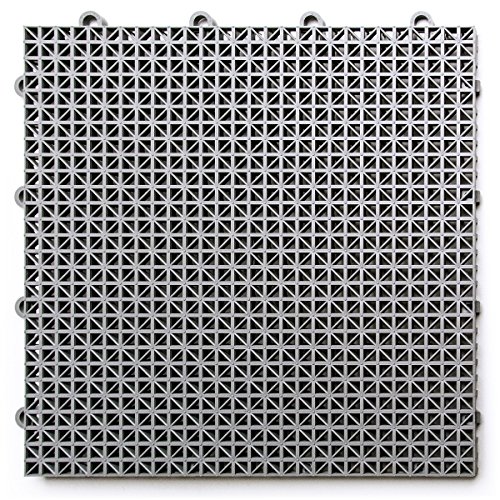
Portability is often overlooked until you find yourself needing to block a sweater while away at a retreat. These tiles are designed to interlock tightly, creating a stable surface that can be assembled in various configurations to fit the specific dimensions of your project.
Because they are smaller and modular, they pack easily into a project bag or suitcase. This makes them a favorite for knitters who frequently attend workshops or travel and want to finish their garments on the go.
The trade-off is that the seams between tiles can sometimes be felt if you are blocking very delicate, thin lace. However, for standard garment shaping, the convenience of a portable blocking station is hard to beat.
Cocoknits Blocking Mats: Best Sustainable Choice

Cocoknits has redefined the market by focusing on materials that are kinder to the environment without sacrificing performance. These mats are made from EVA foam, but they are designed to be durable enough to last for years, reducing the need for frequent replacements.
They feature a unique, non-slip surface that helps keep your garment in place even before you have finished pinning. This is particularly helpful when working with slippery fibers like silk or bamboo blends, which tend to shift around on cheaper, slicker mats.
The aesthetic is clean and professional, fitting right in with a well-organized studio. If you prioritize long-term utility and sustainable design, these are a fantastic investment for your knitting toolkit.
Clover Blocking Mats: Best for Delicate Projects
Clover is known for their meticulous attention to detail, and their blocking mats are no exception. They offer a very smooth surface that won’t snag or catch on delicate fibers like mohair, angora, or fine-gauge silk.
The foam is soft enough to allow for easy pinning, yet firm enough to hold the shape of your garment as it dries. This makes them ideal for knitters who frequently work with luxury yarns that require a gentle touch during the finishing process.
They are perhaps the most "forgiving" mats on the list. If you are worried about damaging your hard-earned work during the blocking phase, Clover offers the peace of mind you need.
Mindful Collection Blocking Mats: Best Aesthetics

The Mindful Collection is designed for the knitter who finds beauty in the process as much as the result. These mats feature a calming color palette and a very clear, easy-to-read grid that makes measuring your swatch or garment a relaxing experience.
Beyond the visuals, the material quality is high-density and resistant to moisture. This is crucial because blocking involves water, and you don’t want a mat that absorbs moisture or develops an odor over time.
They turn a chore into a ritual. If you enjoy the meditative aspect of knitting, these mats provide a beautiful, functional environment for your final steps.
Tiamat Extra Thick Foam Tiles: Best for Stability

When you are blocking a heavy, cabled wool sweater, you need a mat that doesn’t buckle under the weight. Tiamat tiles are significantly thicker than standard mats, providing a rock-solid foundation for even the most massive projects.
The extra thickness also means you can sink your pins in deep, ensuring that your garment stays exactly where you placed it for the duration of the drying time. This is essential for heavy garments that may take days to dry completely.
They are the "heavy-duty" option for the serious garment maker. If you find yourself constantly frustrated by mats that warp or collapse under the tension of your pins, these are the solution.
How to Choose the Right Size for Your Garment
- Measure your final garment: Always account for the full wingspan of sweaters, not just the torso.
- Modular flexibility: Choose a set that allows you to rearrange tiles into a long rectangle for scarves or a square for sweaters.
- The "overlap" rule: Aim for a mat surface that is at least 2 inches wider than your garment on all sides to allow for pinning space.
- Storage constraints: If you have limited space, modular tiles are almost always better than large, single-piece boards.
Essential Features for Blocking Mat Durability
- Closed-cell foam: This prevents water from soaking into the mat, which prevents mold and keeps the mats lightweight.
- Grid printing: Look for heat-bonded or high-quality ink grids that won’t rub off when exposed to wet yarn.
- Interlocking mechanism: Tight, precise cuts ensure that the mats stay joined together without gaps that could distort your garment’s edge.
- Pin retention: High-density foam is necessary to ensure that pins don’t pop out as the yarn dries and contracts.
Tips for Proper Storage of Your Blocking Mats
- Dry completely: Never stack your mats while they are still damp from a recently blocked garment; air them out until they are bone dry.
- Avoid sunlight: Prolonged exposure to UV light can cause foam to become brittle and eventually crumble over time.
- Keep them flat: If possible, store them in a flat, horizontal position to prevent the edges from curling or bending.
- Use the original packaging: Many sets come with a zippered bag that is perfect for keeping your mats clean and dust-free between projects.
Blocking is the bridge between a handmade project and a professional garment, so choosing the right foundation is a critical step in your craft. Whether you prioritize portability, eco-friendly materials, or sheer stability, there is a mat configuration that will suit your specific knitting style. Take the time to select a set that fits your space and your projects, and you will see the quality of your finished work improve immediately. Happy knitting, and may your edges always be crisp and perfectly shaped.