7 Best Measuring Tools For Gauge Checks Worth Owning
Precision matters in manufacturing. Explore our top 7 gauge checking tools to ensure accuracy, streamline quality control, and maintain peak performance levels.
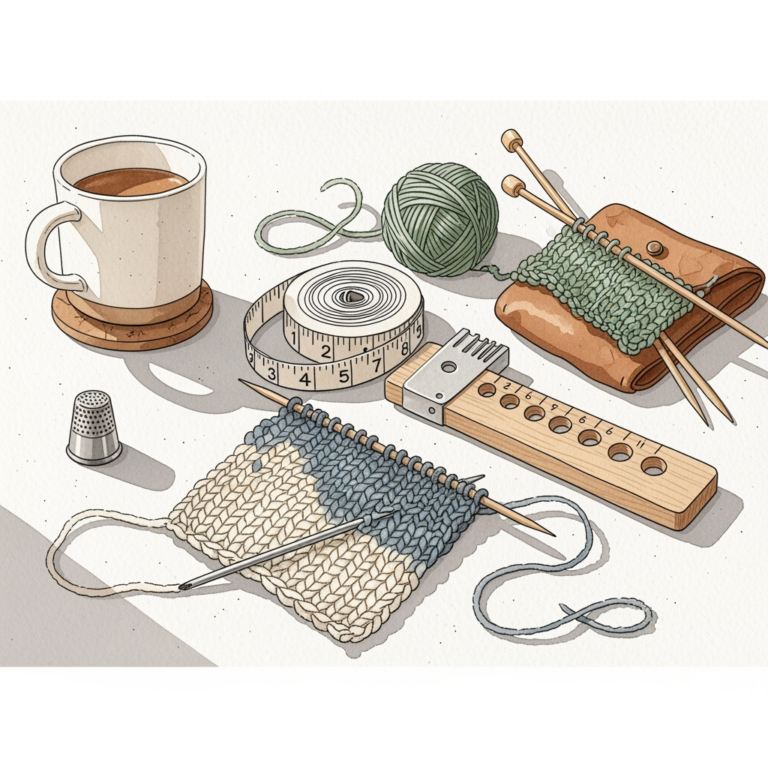
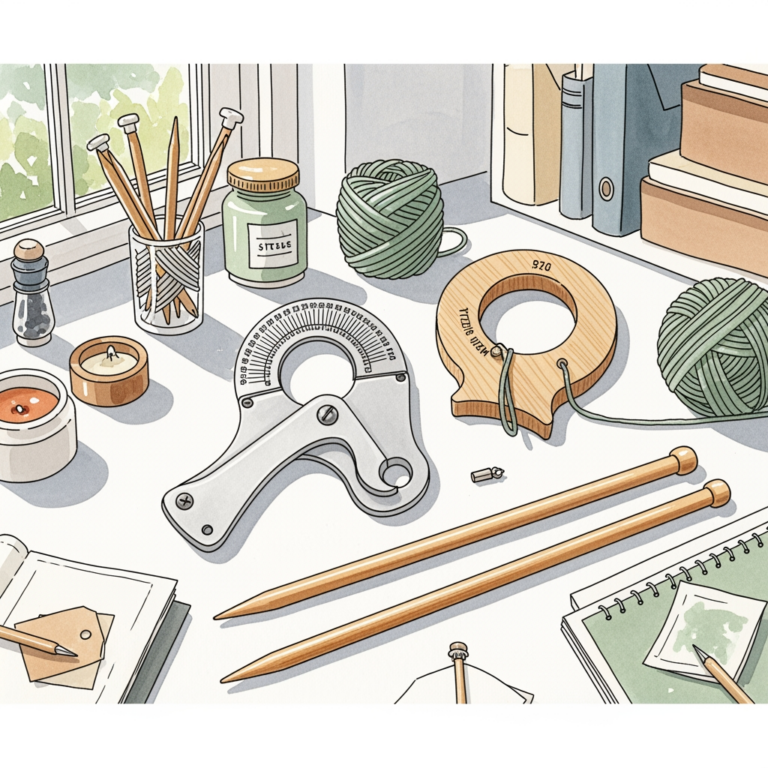
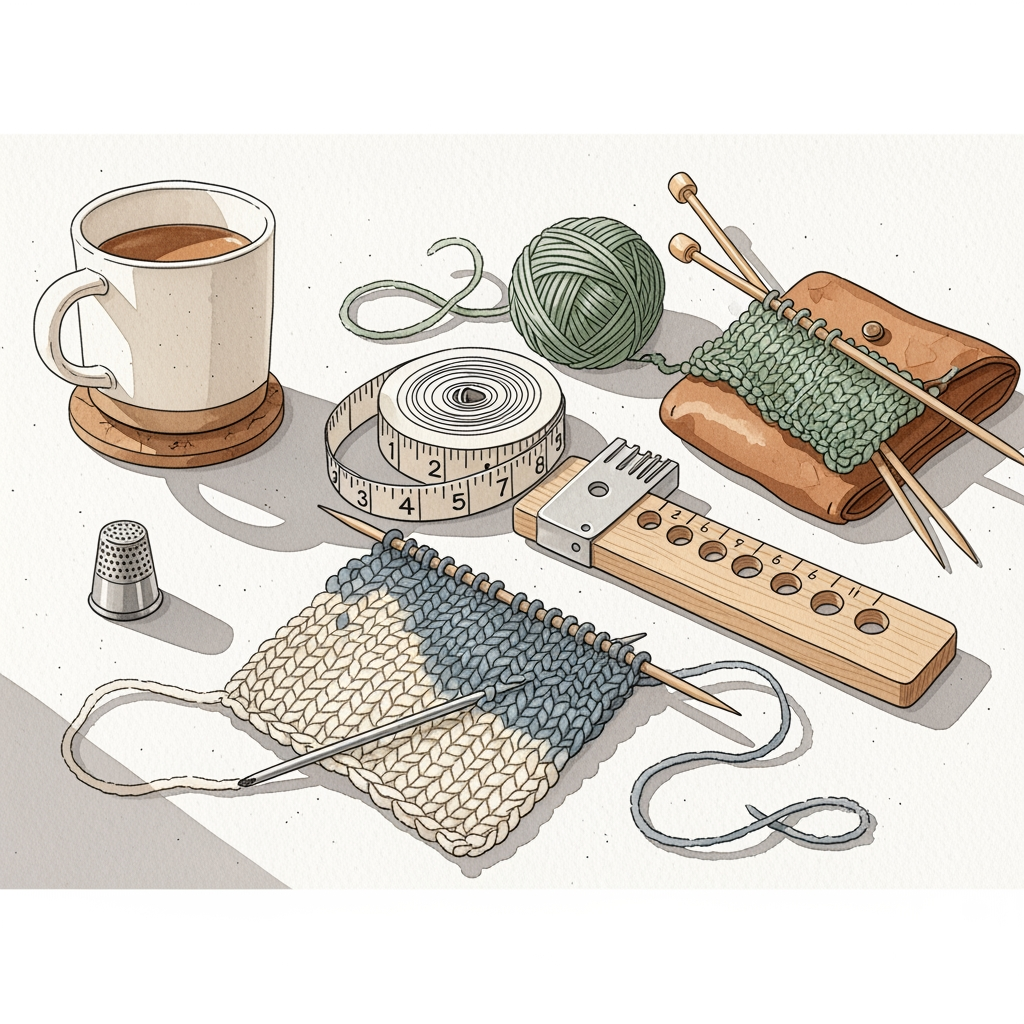
Every knitter has experienced the heartbreak of finishing a sweater only to find it fits like a tent or a tourniquet. Mastering your gauge isn’t just about technical precision; it is the secret language that ensures your hard work results in a wearable garment. Investing in a reliable set of measuring tools is the first step toward moving from "hopeful knitting" to "professional-grade results." Here are seven essential tools to keep your tension consistent and your projects perfectly sized.
Cocoknits Maker’s Keep: Best Magnetic Gauge Tool
The Maker’s Keep is a brilliant marriage of utility and convenience, featuring a silicone wristband equipped with a powerful magnet. It keeps your stitch markers, tapestry needles, and gauge tools within arm’s reach at all times.
For those prone to losing small items between sofa cushions, this is a game-changer. The included gauge tool is sturdy and clear, making it easy to verify needle sizes quickly during a project.
However, the magnetic strength can be a double-edged sword if you work with sensitive electronics. It is a fantastic organizational hub, but keep it away from your tablet or phone while you watch your favorite knitting tutorials.
Susan Bates Knit Chek: The Classic Metal Standard
The Susan Bates Knit Chek is a quintessential tool that has survived decades of trends for a reason. It is a simple, no-nonsense metal plate that measures needle sizes and stitch counts in one compact package.
Because it is made of aluminum, it won’t warp or snap like plastic alternatives when tossed into a crowded project bag. It is the reliable "workhorse" of the knitting world, offering a clear, permanent scale that doesn’t fade with time.
The trade-off is that the metal can be slightly reflective under harsh lighting, which might strain your eyes during late-night sessions. Still, for its price and longevity, it remains a gold standard for every knitter’s notions pouch.
ChiaoGoo Needle Gauge and Ruler: Precision Steel


When you are working with fine lace or small-diameter needles, precision is non-negotiable. This steel gauge from ChiaoGoo is laser-etched, ensuring that the markings remain legible even after years of heavy use.
Steel provides a rigid, uncompromising surface that is perfect for checking the diameter of slick metal needles. Unlike plastic gauges, which can develop burrs or wear down over time, this tool stays true to its measurements.
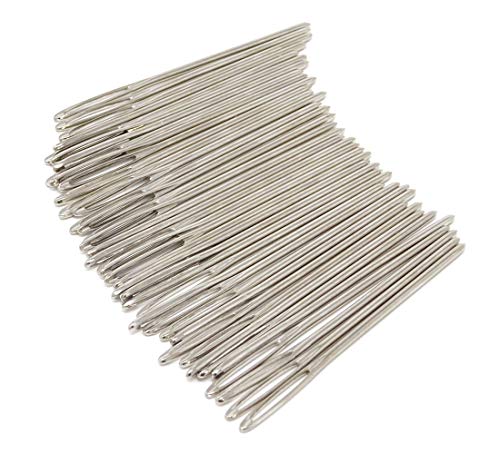
If you frequently swap between different needle brands, you’ll appreciate the consistency here. It removes the guesswork when you find a stray needle in your stash and need to identify its size immediately.
Clover Knitting Needle Gauge: Durable Plastic Pick
Clover’s gauge is perhaps the most recognizable tool in the industry, and for good reason. It is lightweight, affordable, and features a wide range of sizes that accommodate everything from tiny sock needles to chunky roving-weight tools.

The plastic construction makes it incredibly portable and gentle on your needles. If you are worried about scratching the finish on your expensive wooden or bamboo needles, this smooth plastic gauge is a safer choice than metal.

The only downside is that plastic can eventually become brittle if left in direct sunlight or extreme temperatures. Treat it with basic care, and it will serve you faithfully for many years.
Katrinkles Wooden Gauge: Best for Natural Texture
Katrinkles gauges are a delight for the knitter who appreciates the tactile experience of their craft. Made from sustainable wood, these tools feel warm and organic in the hand, providing a nice contrast to the cold metal of needles.
Beyond just measuring needles, many of these gauges are engraved with helpful reminders like stitch patterns or conversion charts. They aren’t just tools; they are beautiful, functional pieces of art that make the process of swatching feel less like a chore.
Be mindful that wood is a natural material and can be sensitive to moisture. Avoid leaving these in a damp environment, as the wood may swell or warp, potentially affecting the accuracy of the sizing holes.
KnitPicks View Sizer: Best for Accurate Swatches

The KnitPicks View Sizer is designed specifically to help you count stitches per inch on your actual fabric. It features a clear viewing window that frames a square inch of your work, making it much easier to count without losing your place.
Counting stitches on a dark, fuzzy yarn can lead to eye strain and miscounts. This tool helps isolate the area you are measuring, which is essential when you are working with complex textures or dark colors.
Using this tool forces you to slow down and really look at your fabric. It is an excellent way to train your eyes to recognize what a standard gauge looks like in your own tension.
Addi Needle Gauge: The Ergonomic Pocket Choice

The Addi needle gauge is a compact, curved tool that fits perfectly in the palm of your hand. Its ergonomic shape makes it easy to hold while you are testing needles, especially if you have limited dexterity.
It is small enough to fit into the smallest notions tin, making it the ideal travel companion for knitters on the go. Despite its small size, the markings are bold and high-contrast, ensuring you don’t have to squint to read the numbers.
Because it is so small, it is also very easy to lose if you aren’t careful. Keep it attached to your project bag with a small clip or lanyard to ensure it stays with your current WIP.
Why Accurate Gauge Swatching Matters for Projects
Many beginners view swatching as a waste of time, but it is actually the most important step in garment construction. A gauge swatch tells you how your specific tension, needle material, and yarn choice interact to create fabric.
If your swatch doesn’t match the pattern’s gauge, your final garment will not fit as intended. A difference of even half a stitch per inch can result in a sweater that is several inches too large or too small once you finish.
Remember that your gauge may change based on your mood, the time of day, or the type of needle you are using. Always swatch in the round if your project is worked in the round, as tension often differs between flat and circular knitting.
How to Use Measuring Tools for Consistent Tension
To use your tools effectively, start by placing your needle into the corresponding hole on your gauge. The needle should slide in snugly without being forced; if it wobbles, it is too small, and if it won’t enter, it is too large.
When measuring your knitted fabric, always lay your swatch flat on a hard surface. Place your ruler or gauge sizer directly over the fabric without stretching or compressing the stitches.
Count your stitches and rows carefully, noting any half-stitches if the pattern requires it. If you find your gauge is off, adjust your needle size—go up a size if your fabric is too tight, or down a size if it is too loose.
Essential Tips for Maintaining Your Gauge Tools
Treat your gauge tools like the precision instruments they are. Store them in a dedicated notions case to prevent them from being bent, scratched, or lost among your larger knitting supplies.
If you use wooden tools, keep them away from extreme heat and humidity to prevent warping. For metal and plastic tools, a quick wipe with a microfiber cloth will keep them clean and easy to read.
Periodically check your tools against a known standard, like a high-quality metal ruler. If you notice any inconsistencies or wear, it is time to replace the tool to ensure your future projects remain accurate and well-fitted.
Investing in quality gauge tools is a small price to pay for the peace of mind that comes with a perfectly fitting project. Whether you prefer the classic feel of metal or the warmth of wood, the best tool is the one you actually use consistently. Embrace the swatching process, keep your tools organized, and watch your knitting confidence soar. Happy making, and may your gauge always be spot on.