7 Best Task Lamps For Low Light Environments Rated
Struggling with dim workspaces? We evaluate 7 top-rated task lamps designed to boost clarity and reduce eye strain in low-light environments for better focus.
Knitting in low light is a recipe for dropped stitches, split plies, and inevitable eye strain that cuts your crafting time short. Whether you are working with dark, high-twist merino or intricate lace, the right illumination can be the difference between a relaxing evening and a frustrating tangle. I’ve spent two decades at the needles, and I know that proper lighting is just as essential as your favorite set of circulars. Here are the top task lamps to keep your stitches crisp and your eyes comfortable during those late-night sessions.
OttLite 2-in-1 LED Floor Lamp: Best Overall Choice


The OttLite 2-in-1 is a staple in many sewing and knitting rooms because it bridges the gap between a standing floor lamp and a focused desk light. Its versatility allows you to move it from your dedicated crafting chair to your primary workspace without needing two separate pieces of equipment.
For those of us working with dark-colored yarns—like navy or black wool—this lamp’s high-definition lighting is a game changer. It renders colors accurately, meaning you won’t mistake a deep charcoal for a true black during a late-night colorwork session.
The tradeoff here is the footprint, which is slightly larger than a dedicated desk lamp. However, the ability to adjust the height and angle makes it the most reliable "all-rounder" for a knitter who switches between multiple projects.
Brightech Litespan LED Floor Lamp: Best for Clarity
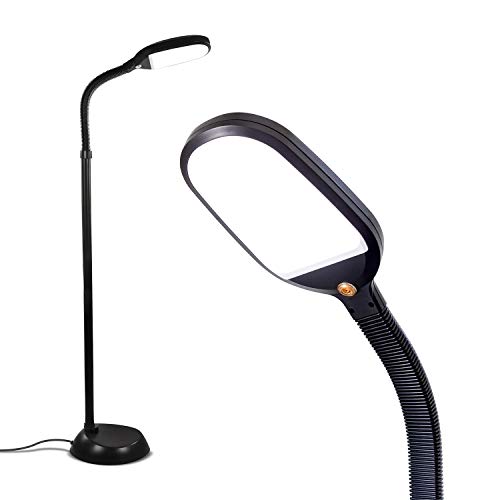
If you struggle with the "fuzz" of mohair or the subtle texture of alpaca, the Brightech Litespan offers a clean, crisp light that mimics natural daylight. It is designed to reduce the glare that often bounces off metallic or slick nickel-plated needles.
When you are working on complex cables or lace, seeing the definition of the stitch is paramount. This lamp eliminates the harsh yellow cast of standard bulbs, allowing you to see the true structure of your knitting clearly.
Keep in mind that the neck is quite flexible, which is great for positioning but can be sensitive to accidental bumps. It is a fantastic choice if you prioritize optical clarity above all other design features.
Daylight Company Slimline 3 Table Lamp: Best for Desk

The Slimline 3 is the gold standard for those who do their knitting at a dedicated desk or a well-lit crafting station. Its long, slim profile casts a wide arc of light, covering your entire project area rather than just a single spot.
This is especially helpful when you have a sprawling project like a large shawl or a blanket spread out across your lap and table. You won’t have to constantly adjust the lamp as you move from one end of the row to the other.
While it is a premium investment, the build quality is sturdy and the dimming features are incredibly precise. If you are a serious knitter who spends hours at a time on complex patterns, this lamp justifies its price tag.
Lepower Metal Architect Swing Arm Lamp: Best Value

Sometimes you don’t need fancy color-temperature settings; you just need a reliable, adjustable light that gets the job done. The Lepower Architect lamp is a classic design that clamps to your table, saving you valuable floor space.
It’s an excellent choice for those who are just starting out or for knitters who prefer a more industrial, utilitarian aesthetic. You can swing it directly over your hands, placing the light exactly where the needle tips meet the yarn.
The limitation is that it requires its own bulb, so you’ll need to purchase a high-quality daylight LED separately for the best results. It’s a simple, effective solution that won’t break the bank.
Neatfi XL 2,200 Lumens LED Task Lamp: Best Brightness
If your eyes tire easily or you are working with very fine-gauge yarn—like a sock project on 2.0mm needles—the Neatfi XL is your best friend. It provides an massive amount of light, ensuring that every single stitch is perfectly visible.
The sheer brightness of this lamp is its biggest selling point, but it also features a wide head that helps minimize shadows. When you are knitting with dark, non-reflective fibers, shadows can make it nearly impossible to see your loops.
This is a heavy-duty piece of equipment that is best suited for a permanent setup. It is not the kind of lamp you want to move around the house, but for your main knitting chair, it is unparalleled.
TaoTronics LED Desk Lamp with USB Port: Best Features

The TaoTronics lamp is perfect for the modern knitter who keeps their patterns on a tablet or phone. The integrated USB port allows you to charge your devices while you work, keeping your digital charts powered up at all times.
Beyond the charging port, the multiple color modes are a fantastic feature for different times of the day. You can use a cooler, brighter light for focused technical work and a warmer, softer light for winding down before bed.
It is compact and sleek, making it ideal for smaller living spaces or crowded side tables. It’s a thoughtful piece of tech that acknowledges how our knitting habits have evolved alongside our digital tools.
Globe Electric 56963 Swing Arm Lamp: Best Budget Pick

For the knitter on a strict budget, the Globe Electric swing arm lamp is a reliable, no-frills option. It’s a basic, functional tool that clips onto a shelf or table and provides direct, focused light.
It doesn’t have the bells and whistles of the higher-end models, but it is easy to maneuver and very lightweight. If you need a secondary light source for a specific corner of your room, this is a very practical solution.
Just be sure to pair it with a high-lumen daylight bulb to maximize the effectiveness of the lamp. It’s a great way to improve your visibility without a significant financial commitment.
Why Lighting Matters for Dark Fiber Stitch Clarity
Knitting with dark, low-contrast yarn is one of the most challenging tasks for any maker. Without proper lighting, your eyes will naturally strain to identify the stitch, leading to fatigue and errors in your pattern.
- Color absorption: Dark yarns absorb light rather than reflecting it, making it hard to see the "V" of the stitch.
- Shadow management: Harsh, singular light sources create deep shadows that hide dropped stitches or accidental yarn-overs.
- Eye fatigue: Squinting for hours on end can cause headaches and make your knitting sessions feel more like a chore than a hobby.
By using a high-quality task lamp, you increase the contrast between your needles and your yarn. This allows you to "read" your knitting more easily and maintain consistent tension throughout your project.
Key Features to Consider When Buying a Task Lamp
When shopping for a lamp, don’t just look at the price tag; look at the technical specifications that actually impact your knitting. Not all LEDs are created equal, and some are much better for fiber arts than others.
- Color Temperature (Kelvin): Look for bulbs between 5000K and 6500K, which mimic natural daylight.
- Lumens: Higher lumens mean more brightness; aim for at least 800-1000 for general tasks.
- Dimmability: Being able to adjust brightness is crucial for transitioning from afternoon to evening light.
- Reach and Adjustability: Ensure the lamp can get close enough to your hands without being in your way.
Remember that the goal is to illuminate the work, not the entire room. A lamp with a focused head will provide better results than a general ambient light.
Tips for Reducing Eye Strain During Late Night Knits
Even with the best lamp, your eyes need a break during long knitting sessions. I always recommend the "20-20-20" rule: every 20 minutes, look at something 20 feet away for 20 seconds.
- Take breaks: Stand up, stretch your shoulders, and look away from your needles.
- Check your posture: Slouching can put extra strain on your neck and eyes.
- Use contrast: If you are knitting with dark yarn, try using light-colored or reflective needles to help see your stitches.
- Hydrate: It sounds simple, but keeping your eyes hydrated and rested is part of the overall knitting experience.
Listen to your body. If you find yourself making mistakes or feeling frustrated, it’s usually a sign that it’s time to put the project down for the night.
Investing in a quality task lamp is one of the most practical upgrades you can make for your knitting practice. By prioritizing clear, daylight-balanced light, you protect your vision and ensure that every stitch you work is as beautiful as you intended. Choose a model that fits your specific space and project needs, and you’ll find your late-night knitting sessions becoming far more productive and enjoyable. Happy knitting, and may your stitches always be clear and your tension perfectly even.