6 Best Sweater Stones for Refreshing Handknits
Revive your handknits with our top six sweater stones. Learn how these essential tools remove pilling and restore your favorite wool garments to like-new.
We have all spent weeks pouring love into a hand-knit sweater, only to watch it develop unsightly fuzz after just a few wears. Pilling is an inevitable reality of friction, but it doesn’t have to be the end of your garment’s life. With the right tool, you can restore that freshly blocked, crisp stitch definition in minutes. Here are the best options to keep your knitwear looking pristine season after season.
The Laundress Sweater Stone: The Gold Standard
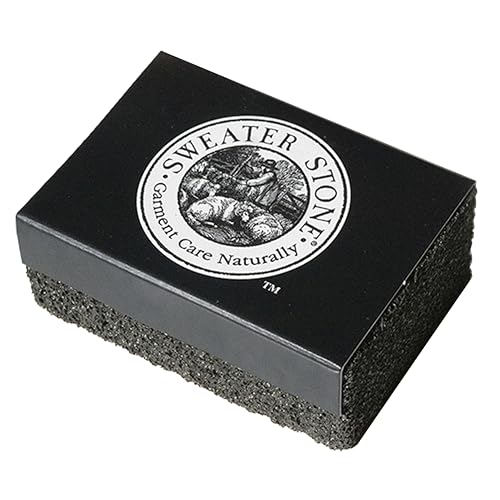

This volcanic pumice stone is widely considered the industry benchmark for a reason. It is incredibly effective at lifting stubborn pills without snagging the delicate structure of your yarn.
Because it is a natural, porous material, it grabs onto loose fibers and pulls them away from the surface of your knitting. It works best on dense, felted, or sturdy wools rather than loose, airy mohair blends.
The bottom line: It’s a reliable, no-nonsense tool that lasts for years. If you want the classic, tactile experience of de-pilling, this is your go-to.
Gleener Fabric Shaver: Best Multi-Tool Option

The Gleener is unique because it features three interchangeable edges designed for different fabric weights. This is a massive advantage if your wardrobe ranges from fine-gauge cashmere to heavy, chunky-knit wool.
The gentle setting is perfect for those delicate, thin fibers that might get chewed up by a sharper tool. It effectively mimics the action of a stone but provides a more controlled, guided experience.
Ultimately, this is the most versatile tool for a diverse fiber stash. If you knit with everything from lace-weight silk to bulky alpaca, the Gleener saves you from needing multiple specialized tools.
Dritz Sweater Stone: Best Budget-Friendly Pick

This stone is a staple in local yarn stores for a reason—it’s affordable and gets the job done. It performs similarly to premium stones, utilizing a natural pumice surface to gently abrade away surface fuzz.
It is particularly useful for those who are just starting their knitting journey and aren’t ready to invest in expensive maintenance tools. You can toss it in your project bag without worrying about it taking up space or breaking.
Just be aware that because it is a natural stone, it will eventually wear down over time. It’s a great entry-level choice that proves you don’t need a high-tech gadget to keep your knits sharp.
Cocoknits Sweater Stone: Best Ergonomic Design
Cocoknits understands that fiber arts maintenance can be hard on the hands, especially for those of us with arthritis or repetitive strain. This stone is shaped specifically to fit comfortably in the palm of your hand.
The design minimizes the grip strength needed to effectively "shave" your sweater. This is a game-changer when you’re tackling a large project like a cabled cardigan that has a lot of surface area to cover.
If comfort is your priority, this is the superior ergonomic choice. It turns a chore into a much more manageable task for your hands and wrists.
Steamery Fabric Shaver: Best Electric Alternative

Sometimes, you have a sweater that is heavily pilled and requires a more aggressive approach. The Steamery electric shaver offers a powerful, consistent motor that makes quick work of large, flat surfaces.
Unlike stones, which rely on your manual pressure, this device uses rotating blades behind a protective mesh. It is incredibly fast, but you must be careful—if you press too hard on delicate or loose stitches, you risk cutting the yarn itself.
Use this for sturdy, high-traffic garments like socks or heavy wool sweaters. For delicate, hand-dyed luxury yarns, I always suggest sticking with a manual stone to maintain full control.
KnitIQ Sweater Stone: Best for Delicate Fibers

The KnitIQ stone is designed with a finer, more uniform grit than many of its competitors. This makes it an excellent choice for high-end fibers like merino, cashmere, or soft blends that are prone to snagging.
Because the grit is less aggressive, it offers a more forgiving experience. It removes the fuzz without pulling at the structural integrity of your stitches, which is vital for expensive, hand-dyed yarns.

If you are nervous about damaging your favorite hand-knit, start here. It provides a gentle touch that preserves the halo of your yarn while removing the unwanted pills.
Understanding Pilling and Why Your Knits Fuzz
Pilling occurs when short fibers within a yarn work their way to the surface and tangle together due to friction. It is most common in high-motion areas like underarms, sides, and cuffs.
Not all pilling is a sign of "bad" yarn. In fact, many soft, high-quality fibers like alpaca or cashmere are more prone to pilling because they are naturally shorter and silkier than coarse, long-staple wool.
- High-twist yarns: Generally pill less because the fibers are tightly bound.
- Single-ply yarns: Often pill more because the fibers are less secure.
- Friction: The primary culprit; minimize it by avoiding rough bags or accessories.
Remember that pilling is a natural part of a knit garment’s life cycle. With regular maintenance, you can keep your pieces looking like new for decades.
How to Properly Use a Sweater Stone on Wool
Always lay your garment flat on a hard, even surface like a blocking mat or a tabletop. Pull the fabric taut—but not stretched—to ensure you are only hitting the surface fibers.
Use short, light, unidirectional strokes. Avoid scrubbing back and forth, as this can cause the fibers to bunch up and create more pills rather than removing them.
- Test first: Always start on an inconspicuous area, like the inside of a hem.
- Clean as you go: Periodically brush the loose fuzz off the stone to keep the grit effective.
- Aftercare: Once finished, lightly steam the garment to help the remaining fibers settle back into the stitch pattern.
Comparing Sweater Stones vs. Electric Shavers
Sweater stones are manual, tactile, and generally safer for delicate, hand-knit construction. They work by gently abrading the surface, which maintains the natural "halo" of the yarn.
Electric shavers are faster and more thorough on dense, flat fabric, but they come with a higher risk. If the mesh guard is thin or the blades are too close, they can easily slice through a strand of yarn, leading to a hole.
- Choose a stone for: Mohair, angora, hand-dyed luxury yarns, and intricate stitch patterns.
- Choose an electric shaver for: Sturdy, machine-washable wools, socks, and high-traffic accessories.
Essential Tips for Long-Term Knit Maintenance
The best way to manage pills is to prevent them from becoming a major issue in the first place. Store your sweaters folded rather than on hangers, as the weight of the garment can cause it to stretch and the shoulders to distort.
When washing, always use a gentle wool wash and avoid agitating the garment unnecessarily. If you notice a few pills appearing, deal with them immediately rather than waiting for the entire garment to become covered.
Finally, remember that your knits are meant to be worn and loved. A little bit of fuzz is just a sign that your sweater is getting the use it deserves.
Maintaining your hand-knits is a meditative extension of the knitting process itself. Whether you prefer the gentle control of a natural stone or the efficiency of a modern shaver, your tools are an investment in the longevity of your craft. Take your time, work with a light touch, and enjoy the satisfaction of seeing your hard work restored to its original beauty. Happy knitting and happy maintenance!