6 Best Breathable Support Sleeves For Summer Knitting
Stay cool while crafting. We review six breathable compression sleeves that offer essential wrist support and comfort for your summer knitting projects.
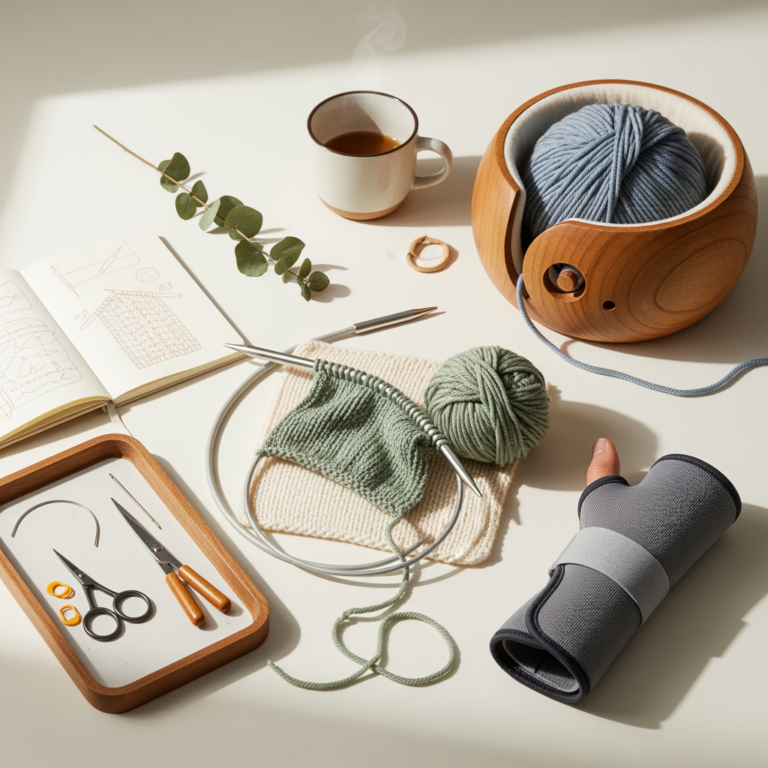
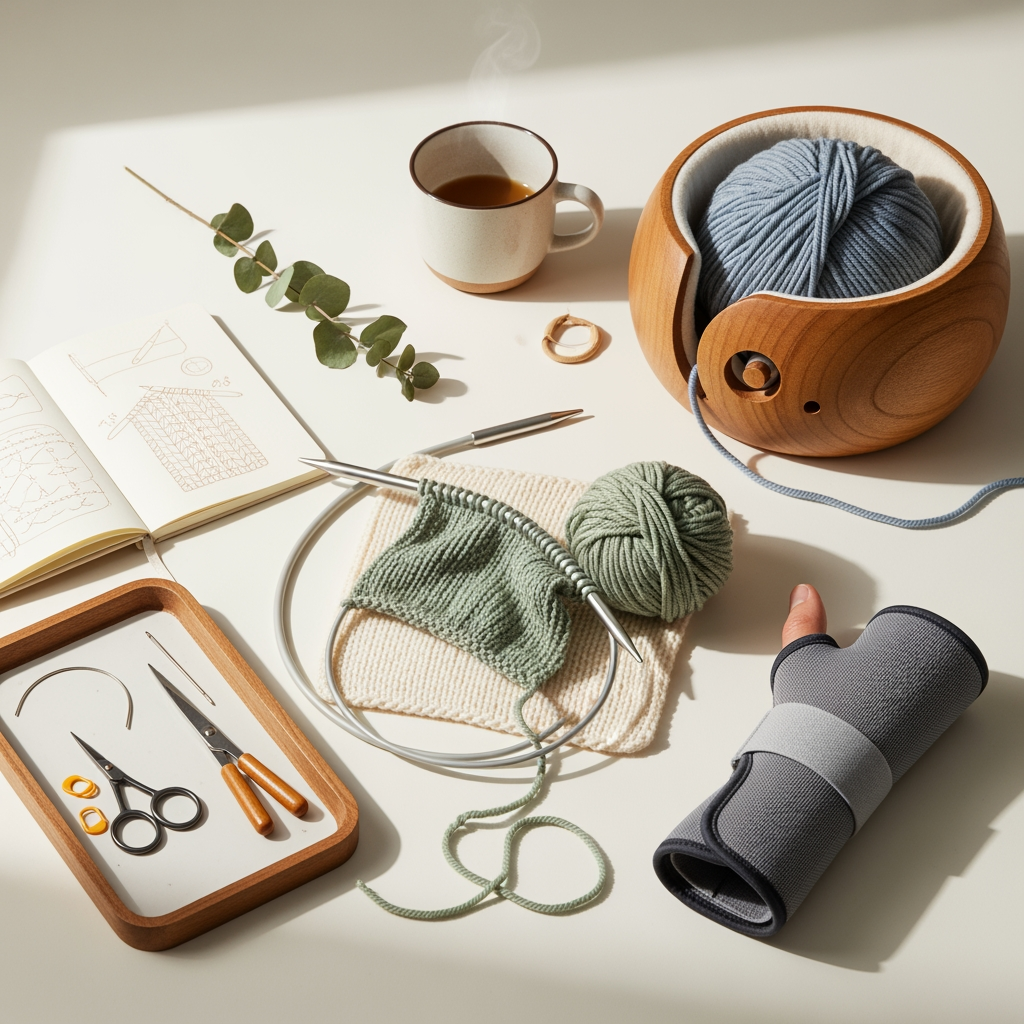
Summer knitting often brings the joy of lightweight linen projects, but the repetitive motion can quickly lead to hand fatigue and inflammation. Finding the right support sleeve is essential for keeping your hands nimble during long sessions of working with cotton or silk blends. These six options prioritize breathability to ensure you stay comfortable while your needles click away. Here is how to choose the right support for your summer craft.
Copper Compression Arthritis Gloves: Best Overall


When you are working through a complex lace chart on a humid afternoon, you need a glove that doesn’t feel like a second, swampy skin. These gloves strike a perfect balance between mild compression and a lightweight feel.
The copper-infused fabric is designed to minimize odors, which is a major plus when your hands get warm. They provide enough structure to stabilize your joints without feeling bulky or restrictive.
If you are prone to swelling after a long day of knitting, these are your go-to. They offer consistent, gentle pressure that keeps blood flowing, even when the thermometer climbs.
Vive Arthritis Gloves: Best Breathable Design

These gloves are engineered with a focus on airflow, making them ideal for the hottest days of the year. The open-finger design is generous, allowing you to maintain the tactile sensitivity needed for picking up dropped stitches or manipulating fine-gauge yarn.
The material is notably thinner than standard medical-grade sleeves. This is a significant advantage if you find that thicker fabric makes your hands feel clumsy or overheated while you work.
I recommend these for knitters who struggle with "clammy hands" during the summer months. They provide just enough support to ease the ache of repetitive movements without making you want to rip them off after twenty minutes.
ComfyBrace Compression Sleeve: Best for Support

Sometimes a project—like a heavy, cabled wool sweater—requires more structural intervention than a standard glove. The ComfyBrace sleeve offers a more robust compression profile, targeting the wrist and base of the thumb where knitting strain often manifests.
While they are thicker, they provide the stabilization needed for longer, more strenuous knitting sessions. If you feel a dull ache in your tendons after working with heavy, non-elastic yarns, this extra support can be a game-changer.
Keep in mind that the added structure means less breathability than lighter models. Use these for shorter, more intense bursts of knitting rather than all-day wear in direct sunlight.
Dr. Arthritis Copper Gloves: Best for Recovery

These gloves were developed with the input of medical professionals, and it shows in their ergonomic design. They are specifically crafted to reduce inflammation, which is vital for knitters who experience flare-ups after finishing a deadline project.
The copper-nylon blend is surprisingly durable, standing up well to the friction of various yarn fibers. Whether you are working with slick bamboo or grippy wool, these gloves hold their shape through repeated washings.
Use these as your primary recovery tool after you finish a project. They help reset your hands, ensuring you are ready to cast on your next endeavor without lingering discomfort.
Thermoskin Arthritis Gloves: Best for Comfort

If your joints are particularly sensitive to temperature changes, the Thermoskin line is designed to retain natural body heat while remaining breathable. This might seem counterintuitive for summer, but it is excellent for soothing stiff, aching joints.
The interior lining has a unique texture that feels soft against the skin, which is a relief if you have been knitting with rougher, rustic wools. They fit snugly but don’t pinch, making them comfortable for extended wear.
I suggest these for knitters who deal with chronic joint pain rather than just fatigue. They are the most "cushioned" option on this list, providing a gentle, supportive hug for your hands.
IMAK Compression Arthritis Gloves: Best Fit

The IMAK gloves are a classic in the knitting community for a reason: their fit is consistently reliable. They feature a unique design that provides mild compression without being overly tight, which is perfect for those who are new to wearing support gear.
The fabric is soft and cotton-rich, which is generally more breathable and skin-friendly than heavy synthetics. They feel less like a medical device and more like a comfortable, well-fitting pair of fingerless gloves.
If you have struggled with sizing in the past, start here. Their sizing chart is accurate, and the material has just enough stretch to accommodate different hand shapes without losing its compression efficacy.
Why Knitters Need Compression During the Summer
Summer knitting often involves working with plant fibers like linen, cotton, or hemp. These fibers have no elasticity, meaning your hands and wrists must absorb all the tension that the yarn cannot.
This lack of "give" in the yarn often forces knitters to grip their needles tighter than they would with a bouncy merino wool. Over hours of knitting, this creates significant strain on the small muscles in your hands.
Compression sleeves act as a supportive external structure for your muscles. By gently squeezing the area, they help reduce the micro-vibrations and strain that occur with every stitch, keeping your hands fresh for your next project.
Selecting the Best Fabric for Warm Weather Wear
When shopping for summer support, look for high percentages of cotton or moisture-wicking synthetic blends. Avoid heavy neoprene or thick, non-porous materials that will trap sweat against your skin.
- Cotton-rich blends: Best for breathability and comfort against the skin.
- Copper-infused nylon: Excellent for moisture management and odor control.
- Spandex/Elastane: Necessary for the compression factor, but ensure it is balanced with breathable fibers.
Always check the label for "moisture-wicking" properties. If the fabric feels heavy or dense in your hand, it will likely feel the same way after an hour of knitting.
Proper Sizing for Effective Knitting Support
A compression glove that is too loose provides no support, while one that is too tight can restrict circulation and actually increase fatigue. Measure your hand carefully at the widest part of your palm, excluding your thumb.
If you fall between two sizes, always lean toward the smaller size for better compression, unless you have sensitive skin that prone to chafing. A well-fitted sleeve should feel like a firm, comfortable hug—not a tourniquet.
Remember that these sleeves will stretch slightly over time with use. A snug fit at the start will eventually settle into a perfect, supportive tension that lasts through many projects.
Maintaining Your Compression Gear for Longevity
To keep your sleeves effective, hand wash them in cool water with a gentle, wool-safe detergent. Avoid using fabric softeners, as these can coat the fibers and reduce the breathability and elasticity of the material.
Always lay them flat to air dry away from direct sunlight. High heat from a dryer can degrade the spandex fibers, causing the glove to lose its shape and compression power very quickly.
Treat your compression gear like your favorite hand-knit socks. With proper care, they will remain a reliable part of your knitting toolkit for many seasons to come.
Finding the right support sleeve is a personal journey that depends on your specific hand shape and the type of yarn you love to knit with. By prioritizing breathable fabrics and a precise fit, you can keep your hands healthy and pain-free all summer long. Don’t be afraid to experiment with different styles until you find the one that feels like a natural extension of your hands. Happy knitting, and may your tension remain consistent and your hands stay refreshed.