7 Best Wool Blending Boards For Color Mixing
Discover the top 7 wool blending boards for seamless color mixing. This guide evaluates key features to help spinners and fiber artists achieve perfect blends.
Creating your own custom fiber blends is the secret to elevating your hand-spun yarn from standard to extraordinary. A high-quality blending board allows you to layer colors, textures, and fibers with the precision of a painter working on a canvas. Whether you are aiming for a subtle heathered look or a complex art yarn, the right board makes all the difference in your fiber preparation. This guide will walk you through the top tools on the market to help you find the perfect match for your fiber studio.
Strauch Petite Blending Board: Best Overall Choice
The Strauch Petite is a masterclass in functional design, striking the perfect balance between surface area and ease of use. It is compact enough to sit comfortably on your lap, yet provides enough space to create a generous batt that will keep you spinning for hours.
The carding cloth on this board is exceptionally high quality, gripping fibers firmly without shredding them. It is particularly effective when working with slippery fibers like silk or fine mohair, which can be notoriously difficult to manage on lower-quality boards.
If you are looking for a workhorse that fits into a small apartment studio, this is your best bet. It handles dense wools and delicate luxury fibers with equal grace, making it a versatile staple for any spinner.
Ashford Wool Blending Board: The Reliable Classic


If you have spent any time in local fiber guilds, you have likely seen an Ashford board. It is the quintessential reliable tool that does exactly what it promises without unnecessary bells and whistles.
The board features a sturdy wooden base and a standard 72 TPI (teeth per inch) carding cloth that is ideal for medium-to-fine wools. It is an excellent entry point for beginners who want to learn the mechanics of color blending without investing in a high-end, professional-grade piece of equipment.
While it lacks some of the ergonomic refinements of more expensive models, its simplicity is its greatest strength. It is durable, easy to repair, and holds up well under years of consistent use.
Brother Drum Carder Board: Precision Fiber Mixing

Brother is widely respected for their drum carders, and their blending board carries that same reputation for precision. This board is designed for the meticulous maker who treats every batt as a piece of art.
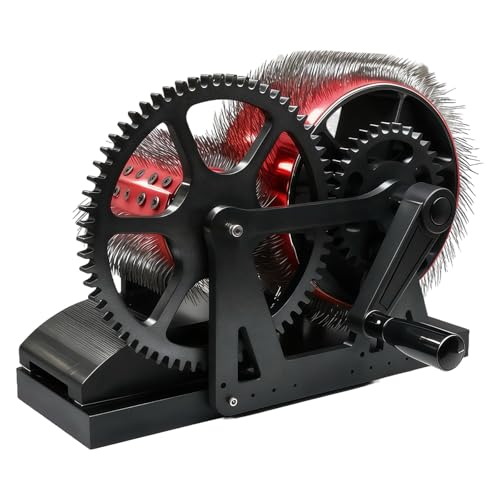
The teeth are spaced with incredible accuracy, ensuring that your fibers are opened and blended evenly across the entire surface. This consistency is vital when you are trying to replicate a specific colorway or blend multiple fiber types, such as mixing Corriedale wool with angelina glitter.
The board’s construction is heavy and stable, meaning it won’t slide around your table while you are working. If you are serious about creating perfectly uniform batts for large-scale projects like a sweater, this precision is worth the investment.
Nancy’s Knit Knacks Blending Board: Ergonomic Pick
Blending fibers can be physically demanding on your wrists and shoulders, especially during long sessions. Nancy’s Knit Knacks focuses on ergonomic comfort, making this the go-to choice for spinners who struggle with repetitive strain.
The board is designed at an optimal angle that reduces the need to reach or hunch over while working. By minimizing physical tension, you can focus entirely on the artistic process of layering your colors and textures.
This board is a thoughtful choice for those who value comfort as much as performance. It proves that you don’t have to sacrifice your physical well-being to achieve professional-looking fiber preparations.
Patrick Green Blending Board: Professional Quality
Patrick Green is a name synonymous with high-end fiber processing tools. Their blending board is built for those who demand industrial-grade performance in a home-studio format.
The carding cloth is exceptionally dense, allowing you to blend even the most stubborn, coarse wools into a smooth, airy batt. It is the kind of tool that feels like an heirloom, built to last for generations of fiber preparation.
If you are a professional spinner or a serious hobbyist who processes large quantities of raw fleece, this board will significantly speed up your workflow. It handles heavy workloads without losing its integrity or tension.
Majacraft Blending Board: Superior Build Design
Majacraft is famous for their beautiful, precision-engineered spinning wheels, and their blending board follows that same aesthetic and functional philosophy. It is a stunning piece of equipment that functions as well as it looks.
The board features a unique, lightweight design that makes it incredibly portable without sacrificing stability. The wood is finished to a high standard, ensuring that no stray splinters catch your delicate fibers during the blending process.
This is a premium product designed for the spinner who appreciates high-quality craftsmanship. It is a joy to use, and its sleek design makes it an attractive addition to any craft room.
Schacht Blending Board: Best for Travel Projects
If you enjoy taking your fiber arts on the road, the Schacht blending board is your best companion. It is lightweight, compact, and designed to pack easily into a project bag or suitcase.
Despite its small footprint, it doesn’t compromise on the quality of the blend. The carding cloth is effective at aerating fibers, which is essential for creating lofty, easy-to-spin batts while you are away from your main studio.
It is the perfect choice for fiber festivals or retreats where you want to experiment with local fleeces. Its portability ensures that you never have to put your creative process on hold, no matter where your travels take you.
Understanding TPI and Carding Cloth for Blending
When shopping for a board, you will encounter the term TPI, which stands for Teeth Per Inch. This measurement dictates how fine or coarse the fibers are that you can process effectively.
- 48–54 TPI: Best for coarse, long-staple wools and rug yarns.
- 72 TPI: The "Goldilocks" zone for most medium wools and general blending.
- 90–120 TPI: Ideal for fine fibers like silk, angora, or very fine merino.
Choosing the wrong TPI can lead to frustration; too coarse and your fine fibers won’t blend, too fine and your coarse wools will get stuck. Always consider the primary fiber you intend to use before settling on a tooth count.
Essential Techniques for Creating Custom Batts
The secret to a great batt is layering. Start by laying down a thin base layer of your primary fiber, then add accents of color or texture, such as silk noils or locks, in patches.
- Thin layers: Always work in thin, translucent layers to ensure an even blend.
- Directional loading: Load your fiber in the direction of the teeth to prevent damage.
- Doffing: Use your blending tool to lift the fiber in a smooth, consistent motion to maintain the alignment of the fibers.
Don’t be afraid to experiment with "sandwiching" different textures. A core of wool with a surface layer of silk creates a yarn that is both durable and incredibly soft against the skin.
How to Maintain Your Blending Board Carding Pins
Your blending board is an investment, and proper maintenance will keep it performing like new for years. After every session, use a flick carder or a dedicated board brush to remove any residual fiber trapped in the teeth.
Avoid using metal tools to scrape the surface, as this can bend the pins and ruin the carding surface. If you notice fiber buildup near the base of the pins, use a soft-bristled brush to gently nudge it out.

Store your board in a dust-free environment, preferably with a cover, to prevent the pins from collecting lint and debris. A little bit of care goes a long way in ensuring your board remains a reliable partner in your fiber arts journey.
Investing in a quality blending board is a transformative step for any spinner looking to take full control of their yarn’s character. By understanding the nuances of TPI and selecting a board that suits your physical needs, you open up a world of creative possibilities. Take your time to choose the tool that fits your specific fiber preferences and studio space. Happy blending, and may your batts always be light, airy, and perfectly colored.