7 Best Mohair Yarns For Delicate Projects To Try
Discover the 7 best mohair yarns for delicate projects. This guide highlights top-tier fibers, perfect for achieving airy textures and soft, ethereal results.
Mohair is the secret weapon of the modern knitter, capable of transforming a simple stockinette fabric into a ethereal, haloed masterpiece. Selecting the right lace-weight blend is a delicate balance of fiber length, silk core strength, and the specific "fuzz factor" you desire for your garment. Whether you are knitting a sheer summer top or holding a strand double for warmth, the quality of your mohair defines the final drape and longevity of your work. Here are seven exceptional yarns that stand out in the fiber arts world for their unique characteristics and performance.
Isager Silk Mohair: Best for Soft Color Work


Isager Silk Mohair is renowned for its incredibly soft handle and a delicate, consistent halo that doesn’t overwhelm the stitches. It is a staple for those who enjoy stranded colorwork because the fibers grip just enough to keep stitches in place without obscuring the color transitions.
The color palette is where this yarn truly shines, featuring nuanced, heathered tones that blend beautifully when held with other yarns. If you are planning a project that requires subtle gradients or complex color shifts, this is your go-to choice.
One important trade-off is the delicacy of the fiber; it is extremely fine and can be prone to snapping if you pull too hard while untangling. Always use a gentle touch when working with this yarn to maintain the integrity of the silk core.
Rowan Kidsilk Haze: The Industry Gold Standard

If there is a yarn that has defined the "mohair trend" for the last two decades, it is Rowan Kidsilk Haze. It is the benchmark against which almost all other lace-weight mohair blends are measured due to its consistent quality and massive color range.
The secret to its popularity is the specific ratio of mohair to silk, which results in a balanced halo that isn’t too "hairy" or too slick. It holds up remarkably well to blocking, meaning your lace shawls will retain their shape and open up beautifully once washed.
However, be aware that because it is so popular, dye lots can occasionally vary slightly. If you are knitting a large garment, always buy an extra ball to ensure you have enough to finish your project without running out of the same color batch.
Shibui Knits Silk Cloud: Best Luxury Texture
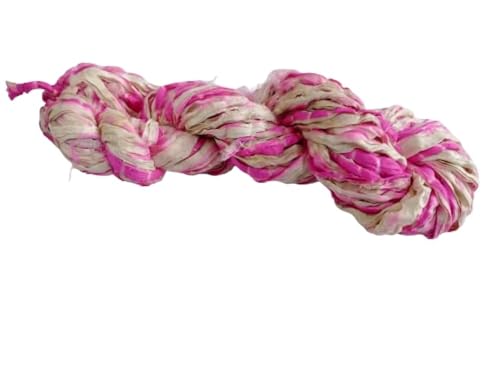
Silk Cloud offers a level of refinement that feels distinct from mass-produced alternatives. It has a slightly more "refined" halo, meaning the fibers are shorter and more uniform, which creates a sophisticated, almost matte-like finish rather than a wild, shaggy look.
This is the yarn to choose when you want your project to look like a high-end designer piece. It is particularly effective for minimalist sweaters where the texture of the yarn itself is the primary design feature.
Because it is so fine, it can feel slippery on metal needles. I recommend using wood or bamboo needles to provide just enough friction to keep your stitches from sliding off while you work.
Knitting for Olive Soft Silk Mohair: Best Feel
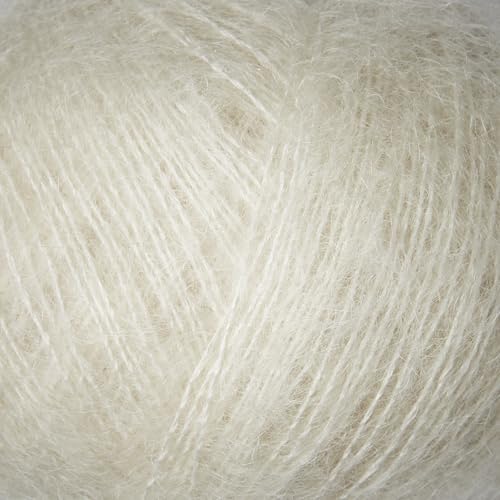
Knitting for Olive has gained a cult following for a reason: the fiber is exceptionally soft against the skin, even for those who are typically sensitive to mohair. It feels less "scratchy" than traditional mohair, making it ideal for garments meant to be worn directly against the neck or arms.
The yarn has a slightly fuller, rounder feel than some of its competitors. This gives your fabric a bit more structure, which is helpful if you are knitting a garment that needs to hold its shape rather than just draping like a fluid shawl.
It is a fantastic option for those who want the mohair look without the typical "itch" factor. Just keep in mind that its softness means it may pill slightly faster than a more robust, coarser mohair blend.
Drops Kid-Silk: The Best Budget-Friendly Option
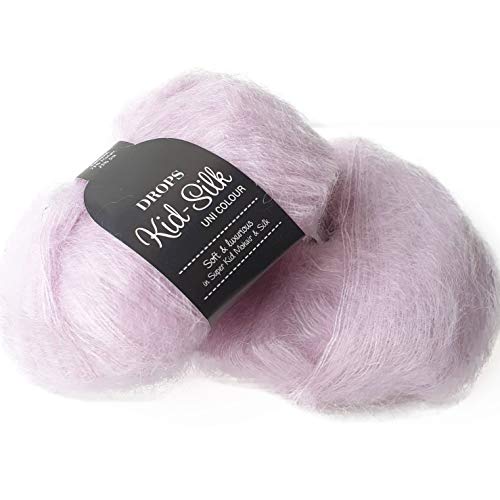
Drops Kid-Silk is the ultimate choice for knitters who want to experiment with mohair without a significant financial investment. It offers a surprisingly high-quality fiber for the price, providing that classic, cloud-like halo that makes mohair so desirable.
It is an excellent "entry-level" yarn for someone learning to knit with lace weights. If you are nervous about working with such a thin fiber, practicing with this yarn is a low-stakes way to build your confidence and muscle memory.
The trade-off is that the silk core is slightly thinner and the mohair fuzz can be a bit more uneven than luxury brands. You might find a few more "slubs" or thicker spots in the yarn, so keep an eye on your tension as you knit.
Sandnes Garn Tynn Silk Mohair: Best Durability

Sandnes Garn is a powerhouse in the knitting world, and their Tynn Silk Mohair is built for the long haul. This yarn feels stronger and more resilient than most, making it a perfect choice for garments that you intend to wear frequently.
If you are knitting a sweater that you want to last for years, this is a top-tier candidate. It stands up well to the friction of daily wear, resisting the matting that often plagues softer, more delicate mohair blends.
It has a slightly more "honest" feel—it’s not as silky-soft as the luxury options, but it is incredibly dependable. It is the workhorse of the mohair world, perfect for sweaters that need to survive a busy lifestyle.
BC Garn Semilla Silk Mohair: Best for Projects
BC Garn provides a unique option for those who prioritize sustainability and fiber quality. This yarn is often favored for its beautiful, earthy color palette and its reliable, consistent gauge.
It is particularly well-suited for projects where you want a natural, organic look. The halo is substantial but manageable, making it easy to work with for both beginners and advanced knitters who value a high-quality product.
Because it is a natural fiber product, you may occasionally find small bits of vegetable matter in the yarn, which is a common occurrence with high-quality, minimally processed wool. Simply pick these out as you knit; it is a small price to pay for such a beautiful, authentic fiber.
How to Choose the Right Mohair for Your Project
- Consider the "Halo": Do you want a subtle sheen or a dramatic, fuzzy cloud? Look at the fiber length on the ball band or in person.
- Check the Silk Content: Higher silk content usually means more drape and a smoother, stronger yarn.
- Match the Core: If you are holding mohair with another yarn (like a wool or alpaca), ensure the base color of the mohair matches the primary yarn to prevent "muddied" colors.
- Test Your Gauge: Mohair changes the gauge of any yarn it is held with. Always knit a swatch to see how the fabric behaves.
Essential Tips for Knitting With Delicate Mohair
When working with mohair, your biggest enemy is friction. Use smooth, polished needles to prevent the fibers from snagging, but if you find the yarn is slipping too much, switch to a wooden needle to gain some control.
If you make a mistake and need to "tink" (unknit) your stitches, do so very slowly. Mohair fibers have tiny barbs that lock together; if you pull too quickly, the fibers will mat, and you will likely have to cut the yarn to free it.
Finally, keep your tension loose. Mohair creates a much more beautiful fabric when the stitches have room to breathe and the fibers have space to bloom into that signature halo.
Proper Care and Washing for Mohair Knitwear
Mohair is a protein fiber and should be treated with the same care as wool. Always hand wash your finished items in cool water with a gentle wool wash to preserve the natural oils in the fiber.
Never wring out your mohair garment, as this will felt the fibers and ruin the drape. Instead, lay the piece flat on a towel, roll it up like a sleeping bag to press out the excess water, and then reshape it on a flat surface to dry.
Store your mohair garments folded rather than on hangers, as the weight of the garment can cause it to stretch out of shape over time. With proper care, a mohair project can remain soft and beautiful for many years.
Knitting with mohair is a transformative experience that elevates even the simplest patterns into something truly special. By understanding the unique properties of these seven yarns, you can confidently choose the right fiber for your next project. Remember to take your time, enjoy the process, and embrace the gentle, fuzzy halo that only mohair can provide. Happy knitting!