6 Best Transfer Combs For Machine Knitting To Try
Discover the 6 best transfer combs for machine knitting. This guide reviews top tools to help you streamline stitch transfers and improve your project speed.
Machine knitting is a craft defined by precision, and nothing tests that precision quite like moving stitches across a needle bed. Whether you are performing a simple stitch transfer for a cable or moving an entire row for a hem, the right tool makes the difference between a smooth workflow and dropped stitches. These six transfer combs represent the gold standard for efficiency, reliability, and ease of use in the studio. Choosing the right one will save you hours of frustration and help you achieve a professional finish on every garment.
Passap Automatic Transfer Comb: Best Overall
The Passap Automatic Transfer Comb is a marvel of engineering for those working on double-bed machines. It eliminates the tedious task of moving stitches individually, allowing for rapid transfers that keep your tension consistent across the entire row.
This tool shines when you are working on complex patterns that require frequent switching between ribbing and stockinette. Because it engages multiple needles simultaneously, it reduces the risk of uneven stitch loops that often occur when using manual tools.
The trade-off here is the learning curve involved in aligning the comb perfectly with the needle bed. If you are new to the Passap system, take your time to practice on scrap yarn before committing to a final project.
Brother Standard Gauge 1×1 Transfer Tool


The Brother 1×1 transfer tool is the workhorse of the machine knitting world. While it may seem basic, its simplicity is exactly what makes it indispensable for correcting errors or creating eyelet lace patterns.
Its compact design allows for pinpoint accuracy, which is essential when you accidentally drop a single stitch in a complex fair isle design. You can easily pick up that stitch and re-hang it without disturbing the surrounding loops.
I find that these tools are best used in pairs when performing larger transfers. Having one in each hand allows you to move stitches across the bed with a rhythmic, steady motion that prevents yarn stretching.
Silver Reed Ribber Transfer Comb Set

Silver Reed’s ribber transfer combs are specifically designed to handle the unique geometry of ribber beds. These combs are essential for anyone who enjoys creating professional-looking hems or complex decorative ribbing.
The teeth on these combs are shaped to grip the yarn securely without splitting the fibers. This is particularly important when working with delicate or multi-ply yarns that might snag on lower-quality metal tools.
Keep in mind that these combs are gauge-specific. Always verify the needle spacing on your machine before investing in a set, as using the wrong pitch will lead to bent needles and damaged yarn.
KnitKing Multi-Transfer Tool Selection
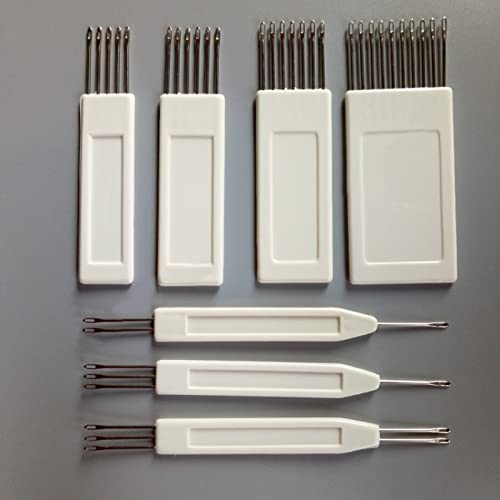
KnitKing tools offer a fantastic middle ground for knitters who want versatility without needing a dozen specialized instruments. Their multi-transfer sets allow you to move 2, 3, or 5 stitches at once, which is perfect for shaping armholes or necklines.
Using a multi-transfer tool is a game-changer for speed, but it requires a steady hand. If you pull too hard, you risk distorting the stitch gauge, which can lead to a wavy edge on your finished garment.
I recommend these tools for knitters who are comfortable with basic shaping but want to speed up their production. Start with smaller increments until you get a feel for how the tool interacts with your specific yarn weight.
Addi Express Machine Transfer Combs

While often associated with circular knitting machines, the Addi Express transfer combs are surprisingly useful for manual adjustments on standard gauge machines. They are lightweight and have a smooth finish that glides through even the stickiest mohair blends.

These are excellent for beginners who find heavy metal tools intimidating. The plastic construction is gentle on the needles, making it less likely that you will accidentally scratch or mar the needle bed during a transfer.
However, be aware that plastic can wear down over time compared to metal. If you are a high-volume knitter, you may find that you need to replace these more frequently than a traditional steel tool.
Singer Professional Gauge Transfer Tools
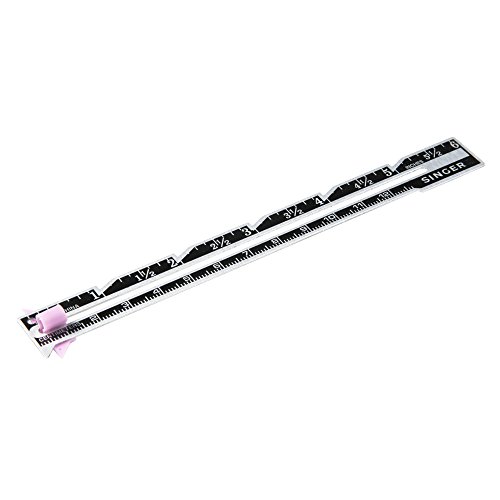
Singer tools are known for their robust construction and ergonomic handles. They are designed for the knitter who spends hours at the machine and values a tool that feels substantial in the hand.
The weight of these tools helps them sit firmly against the needle bed, which provides extra stability during challenging transfers. This is a significant advantage when working with slippery fibers like silk or rayon that tend to jump off the needles.
If you have arthritis or hand fatigue, the thicker grip on these tools is a major benefit. They allow for a more relaxed hold, which prevents cramping during long sessions of lace work or complex cable transfers.
How to Select the Right Comb for Your Machine
Choosing a transfer comb is not just about the brand; it is about the "personality" of your machine. You must consider the needle bed material and the specific hook shape of your machine’s needles.
If your machine has a very tight needle latch, you need a comb with thinner, more tapered teeth. Conversely, if your machine is an older model with slightly worn needle hooks, a thicker comb might be necessary to ensure the stitch is captured securely.
Always prioritize tools that match the original manufacturer’s specifications for your machine model. While third-party tools can be tempting, they often lack the precise tolerances required for seamless operation.
Understanding Needle Pitch and Compatibility
Needle pitch, or the distance between the center of one needle and the next, is the most critical factor in tool compatibility. If you try to use a 4.5mm gauge comb on a 9mm bulky machine, you will effectively be trying to force a square peg into a round hole.
Many knitters make the mistake of assuming that "standard" means universal. In reality, there are subtle differences in hook shape and latch clearance that vary between brands like Brother, Silver Reed, and Passap.
When in doubt, consult your machine manual or a specialized technician. Using the wrong tool can cause permanent damage to your needle bed, which is an expensive mistake to make.
Essential Tips for Safe Stitch Transfers
Always ensure your needles are in the "upper working position" before attempting a transfer. This gives you the necessary clearance to lift the stitches off the hooks without catching the latches.
If you are working with high-twist yarns, be extra cautious. These fibers have a tendency to "snap" back, which can cause you to lose the stitch entirely if your transfer comb isn’t seated deeply enough.
Finally, never force a transfer. If the comb isn’t sliding easily onto the needles, stop and check for a bent needle or a stitch that hasn’t fully cleared the latch.
Maintaining Your Transfer Combs for Longevity
Treat your transfer combs as precision instruments, not just generic hardware. Store them in a dedicated case or a tool rack to prevent the teeth from bending or becoming misaligned.
If you notice a burr on the metal teeth of your comb, address it immediately with a fine-grit emery board. A rough edge will snag your yarn and ruin the stitch definition of your entire project.
Keep your tools clean and free of lint. Over time, fiber dust can build up in the crevices of the comb, which can interfere with its ability to seat properly on the needles.
Investing in quality transfer combs is an investment in your own efficiency and the quality of your finished knitwear. By understanding the nuances of needle pitch and tool compatibility, you can avoid common pitfalls and focus on the creative side of your craft. Take the time to select the right tool for your specific machine, and you will find that even the most complex patterns become manageable. Happy knitting, and may your transfers always be smooth and stitch-perfect.