7 Best Yarn Winders For Bulk Buying Worth Owning
Maximize your yarn storage with our top 7 winders. We evaluate durability, capacity, and ease of use to help you efficiently manage your bulk fiber collection.
Nothing ruins the meditative flow of a knitting session quite like a tangled mess of yarn collapsing into a "yarn barf" mid-project. For those of us who buy in bulk, a high-quality yarn winder is the difference between an organized stash and a chaotic pile of knots. Investing in the right tool saves you hours of untangling and ensures your yarn is ready for immediate use. Let’s look at the best winders to help you keep your fiber stash pristine and ready for your needles.
Stanwood Needlecraft Large Metal Yarn Ball Winder


If you regularly work with massive 10-ounce cones or heavy-weight wool, the Stanwood Large Metal winder is the gold standard. Its heavy-duty construction handles the tension of large skeins without skipping a beat.
Unlike smaller plastic models, the metal gears in this unit offer superior torque. When you are winding a heavy, multi-ply worsted yarn, you need a machine that doesn’t strain or slip under the weight.
The base is exceptionally sturdy, meaning it won’t wobble off your table even when you’re winding at top speed. It’s a professional-grade tool that turns a tedious chore into a quick, satisfying task.
Knit Picks Yarn Winder: Best Budget-Friendly Pick
For the casual knitter who occasionally buys a few hanks of sock yarn, the Knit Picks winder is an incredibly reliable entry point. It is lightweight, portable, and gets the job done without taking up much desk space.
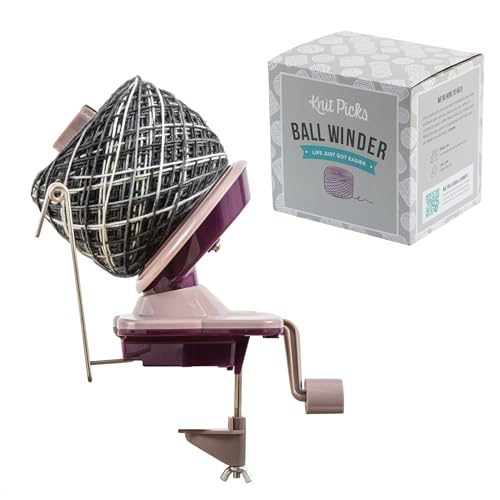
This winder is perfect for those who primarily work with fingering or sport weight yarns. While it isn’t designed for massive, heavy-duty cones, it handles standard 100-gram hanks with ease and produces a tidy center-pull cake.
Keep in mind that this is a plastic-geared unit, so it requires a bit of patience. If you force the handle too quickly, you risk stripping the gears, so keep a steady, rhythmic pace.
Lacis Jumbo Yarn Ball Winder for Bulk Projects
The Lacis Jumbo winder is a beast designed for the knitter who buys sweater quantities in bulk. It features a high-capacity spool that can accommodate significantly more yardage than standard winders.

This tool is a lifesaver when you are preparing for a large-scale project like an oversized cabled cardigan. Being able to wind a full, large-scale skein into a single cake means fewer joins and less weaving in of ends later.
Because of the larger diameter of the spool, the resulting yarn cake is airy and loose. This is a massive benefit for delicate fibers like alpaca or merino, as it prevents the yarn from losing its loft and "bouncing" back during the knitting process.
ChiaoGoo Hand-Operated Yarn Winder for Precision
ChiaoGoo is known for their exceptional needle quality, and their winder follows that same philosophy of precision engineering. It is a fantastic choice for knitters who prioritize consistent tension above all else.
A consistent wind is vital when working with high-twist yarns or luxury fibers. If your tension varies while winding, you might find your gauge changing unexpectedly as you pull from the center of the ball.
This winder operates with a smooth, quiet motion that feels refined under your hand. It’s a joy to use for those long, quiet evenings of stash organization, providing a level of control that cheaper plastic alternatives simply lack.
Amish Style Wooden Yarn Swift and Winder Combo
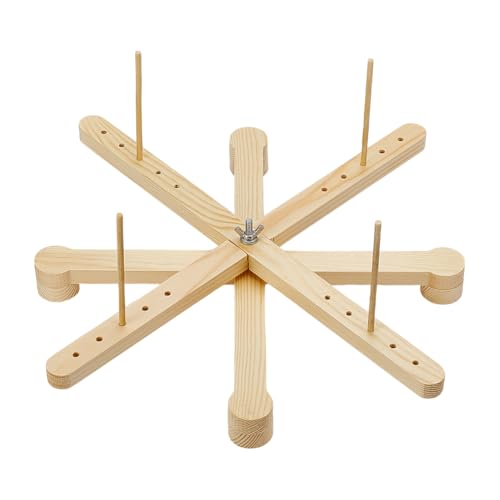
The Amish style wooden swift is a classic for a reason, and pairing it with a winder is the ultimate setup for any serious fiber artist. The natural wood construction is not only beautiful but also incredibly durable.
The swift is the unsung hero of the winding process. It holds your hank securely as it rotates, preventing the yarn from snagging or twisting while the winder does the heavy lifting.
If you frequently buy hand-dyed hanks, you absolutely need a swift. Trying to wind a hand-dyed hank by hand or over the back of a chair is a recipe for a tangled nightmare that can ruin your expensive yarn.
NAKO Large Capacity Yarn Winder for Heavy Skeins

The NAKO winder is designed for those who deal with bulky, super-bulky, or novelty yarns. Its large capacity and robust build allow it to handle thick, textured fibers that would jam a standard-sized winder.
When working with chunky yarns, the physical volume of the fiber is the biggest challenge. The NAKO handles this by providing a wider spool base, allowing the yarn to stack cleanly without sliding off the sides.
It’s an excellent choice for knitters who love working with rustic, unspun, or slubby yarns. Just ensure your table edge is thick enough to accommodate the clamp, as this winder is built with a heavy, stable footprint in mind.
Royal Hand-Operated Yarn Winder: Durable Choice

The Royal winder is a staple in many local yarn shops because it is built to withstand repeated, heavy use. If you are the type of knitter who is constantly winding and unwinding, this is the workhorse you want.
The internal mechanism is designed for longevity, featuring better-than-average gear alignment. Even after years of service, it tends to remain smooth and quiet, provided you keep it clean and free of yarn dust.
It strikes a perfect balance between size and power. It’s not so large that it dominates your workspace, but it’s powerful enough to handle almost any fiber weight you throw at it.
How to Choose the Right Winder for Bulk Yarns
When selecting a winder, consider the "bulk" of your typical projects. If you are a sock knitter, a smaller, high-precision winder is perfect. If you are a sweater knitter, you need a jumbo unit.
- Capacity: Check the maximum gram weight the winder can handle.
- Space: Ensure you have a sturdy table edge for the clamp.
- Material: Consider how often you will use it.
Don’t be swayed by aesthetics alone. A winder is a tool, and its primary job is to maintain the integrity of your yarn. If the yarn is wound too tightly, it can stretch the fibers, which will permanently alter your gauge.
Metal vs Plastic Gears: Which Winder Lasts Long
The debate between metal and plastic gears usually comes down to frequency of use. Metal gears are objectively more durable and provide a smoother cranking experience, especially under tension.
Plastic gears are perfectly adequate for occasional use, but they are prone to wear and tear. Over time, the teeth can slip or snap, especially if you are winding heavy, sticky wool or acrylic blends.
If you are a prolific knitter, consider the metal gears an investment in your future. You will end up replacing a cheap plastic winder three times over before a single high-quality metal winder shows any sign of fatigue.
Essential Maintenance Tips for Your Yarn Winder
Your winder is a mechanical device, and it needs a little love to stay functional. The most important tip is to keep the gear housing free of yarn debris and dust, which can clog the movement.
Occasionally, a drop of sewing machine oil on the moving parts will keep the handle turning smoothly. Never force the handle if you feel resistance; stop and check for a snag in the yarn or a tangle on the swift.
Finally, always store your winder in a dry place when not in use. Humidity can affect plastic components and cause metal parts to rust, both of which will eventually lead to a stiff, jerky winding experience.
Choosing the right yarn winder is a rite of passage for every dedicated knitter. By matching the tool to your specific project needs—whether it’s delicate lace or bulky wool—you protect your investment in quality fiber. Take care of your gear, and it will ensure your stash remains a source of joy rather than a source of stress. Happy knitting, and may your cakes always pull smoothly from the center!