6 Best Compression Socks For Standing Knitters
Stand for hours while knitting? Discover the six best compression socks to improve circulation, reduce leg fatigue, and keep your creative flow comfortable.
As any seasoned knitter knows, the marathon sessions required for a complex cabled sweater or a fine-gauge lace shawl can be just as demanding on the body as they are on the mind. Standing at a drafting table or leaning over a project for hours often leads to heavy, swollen legs that distract from your stitch count. Investing in quality compression socks can be the difference between finishing that final row with ease or having to set your needles down early due to fatigue. Here are the best options to keep your circulation flowing while you focus on your tension.
Comrad Knee-Highs: Best Overall for Knitters


When you are deep into a project that requires standing, such as blocking a large blanket or organizing a massive yarn stash, Comrad Knee-Highs provide a reliable, balanced compression. They offer a graduated pressure that feels supportive without being constrictive.
These socks are particularly effective because they use a soft, breathable fabric blend that mimics the comfort of your favorite hand-knit socks. If you’ve ever spent an afternoon standing on a hard floor while trying to achieve the perfect gauge swatch, you know that foot fatigue is real; these socks mitigate that by keeping blood moving back toward your heart.
The trade-off here is the thickness; they are slightly more substantial than a sheer dress sock. However, for a knitter, this added cushioning is a benefit, providing a buffer against hard surfaces during long sessions.
Sockwell Circulator: Best Merino Wool Blend
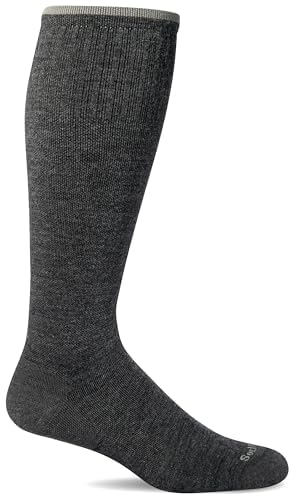
If you prefer the natural properties of wool—much like the fiber you likely use for your own socks—the Sockwell Circulator is the gold standard. Merino wool is naturally moisture-wicking and temperature-regulating, which is vital if your feet tend to run hot while you work.
Many knitters are wary of synthetic compression gear, fearing it will feel "plasticky" or cause sweat buildup. Because this blend incorporates high-quality merino, it feels remarkably similar to a hand-knit sock made with a merino-nylon blend, offering that familiar, soft-to-the-touch sensation.
Keep in mind that these require the same care as your hand-knits; avoid high-heat drying to maintain the elasticity of the fibers. If you want the technical benefits of compression with the tactile comfort of premium yarn, this is your best bet.
Bombas Everyday Compression: Best Comfort Fit

Bombas has mastered the "cushioned footbed" design, which is a godsend for knitters who suffer from foot pain after standing at a loom or a spinning wheel. The seamless toe construction is a highlight, as it prevents the irritation that can sometimes pull your focus away from a difficult stitch pattern.
These are designed to be worn all day, meaning you can put them on while you’re winding yarn and keep them on through your evening knitting session. They aren’t overly aggressive with their compression, making them an excellent entry point for those who have never worn compression gear before.
While they are comfortable, they are less "medical" in their feel, which means they might not provide the highest level of support for severe swelling. For the average knitter looking for a slight boost in comfort, the fit is nearly perfect.
Physix Gear Sport Socks: Best Arch Support

Physix Gear socks excel in providing targeted support to the arch, which is often the first part of the foot to ache when you are standing still for hours. If you find yourself shifting your weight constantly while knitting at a standing desk, the reinforced structure here provides excellent stability.
The fabric is quite durable, standing up well to the rigors of a busy craft room or studio. Because they are designed for athletes, they are engineered to stay in place, meaning you won’t be constantly reaching down to pull them up while trying to keep your place in a complex lace chart.
The compression is firm and noticeable, which might take a little getting used to. However, for those long, multi-hour sessions of stranded colorwork where you can’t afford to be distracted by leg discomfort, this support is invaluable.
Dr. Motion Patterned Socks: Best Style Choice

Let’s be honest: just because we are wearing medical-grade gear doesn’t mean we want to sacrifice our aesthetic. Dr. Motion offers a variety of patterns that feel right at home in a knitter’s wardrobe, often featuring motifs that wouldn’t look out of place on a pair of handmade socks.
Functionally, they provide a moderate level of compression that is sufficient for most knitters. They are a great way to introduce compression into your routine without feeling like you are wearing clinical equipment.
The material is a bit thinner than some of the other options, which is perfect if you prefer to wear them inside your regular shoes while out at the yarn shop. Just be aware that the thinner knit means they may show wear a bit faster than the thicker, sport-oriented socks.
Mojo Recovery Socks: Best Value for Long Days

If you are a prolific knitter who spends every spare moment on your feet, the Mojo Recovery Socks offer a great "bang for your buck" by providing high-quality graduated compression at a lower price point. They are built for recovery, meaning they are excellent to put on after you’ve finished a long day of crafting to help your legs bounce back.
These socks are quite firm, which is exactly what you want if you are prone to significant leg fatigue. They provide the kind of reliable, consistent pressure that makes your legs feel "fresh" even after a long day of blocking or dyeing fiber.
Because they are very effective at compression, they can be a bit tricky to pull on, similar to the experience of fitting a tight heel turn on a small-gauge sock. Take your time putting them on to ensure the fabric is smooth and the compression is evenly distributed.
How Compression Socks Help Knitters Stay Active
Compression socks work by applying gentle pressure to your lower legs, which helps the veins in your legs work more efficiently. When you stand for hours, gravity works against your circulation, leading to blood pooling in your ankles and feet.
For a knitter, this pooling causes the heavy, "tired leg" sensation that makes it hard to focus on your work. By encouraging blood flow back toward the heart, these socks help you maintain comfort for longer periods.
This isn’t just about comfort; it’s about longevity. By reducing fatigue, you’re less likely to develop the aches that lead to repetitive strain or the need to cut your knitting sessions short.
Understanding Compression Levels: mmHg Explained
Compression is measured in millimeters of mercury (mmHg), and understanding these numbers is key to finding the right fit for your needs. Most over-the-counter socks fall into the 15-20 mmHg range, which is the "sweet spot" for healthy knitters looking for fatigue relief.
- 15-20 mmHg: Ideal for daily wear, travel, and long periods of standing.
- 20-30 mmHg: Recommended if you have noticeable swelling or are prone to spider veins.
- 30+ mmHg: Typically requires a medical prescription and is used for specific vascular conditions.
For most of us in the fiber arts, the 15-20 mmHg range provides the perfect balance of support and comfort. Anything higher can feel restrictive if you aren’t accustomed to it, potentially causing more distraction than relief.
How to Properly Measure Your Calves for Socks
Compression socks only work if they fit correctly; a sock that is too tight can actually impede circulation, while one that is too loose provides no benefit. You need to measure your calf at its widest point, usually while sitting down with your feet flat on the floor.
Use a flexible measuring tape—the same one you use for measuring your gauge swatches—and ensure it is snug but not digging into the skin. Also, measure your ankle circumference, as this is where the compression is strongest.
Always check the manufacturer’s specific size chart, as sizing can vary wildly between brands. If you fall between two sizes, it is usually safer to size up for comfort, especially if you plan on wearing the socks for an entire day of knitting.
Tips for Reducing Leg Fatigue During Long Knits
Beyond wearing compression socks, there are small adjustments you can make to your knitting environment to save your legs. First, try to alternate between standing and sitting; even a simple stool can allow you to shift your weight and rest your legs every thirty minutes.
Consider using an anti-fatigue mat at your standing station, which provides a cushioned surface that reduces the impact on your joints. Also, pay attention to your posture; slouching over your needles puts unnecessary strain on your back and legs, which translates to faster fatigue.
Finally, remember to incorporate simple stretches into your routine. Every time you finish a row or complete a repeat of your pattern, take a moment to flex your ankles and stretch your calves. Your legs will thank you, and your projects will be finished with much less physical strain.
Finding the right pair of compression socks is much like finding the perfect needle size for a new yarn; it requires a bit of trial and error to see what feels best for your body. By prioritizing circulation and support, you can ensure that your knitting hobby remains a source of joy rather than physical discomfort. Choose a pair that fits your lifestyle, and you will find yourself reaching for them every time you cast on a new, ambitious project. Happy knitting, and may your legs feel as light as your favorite lace-weight mohair.